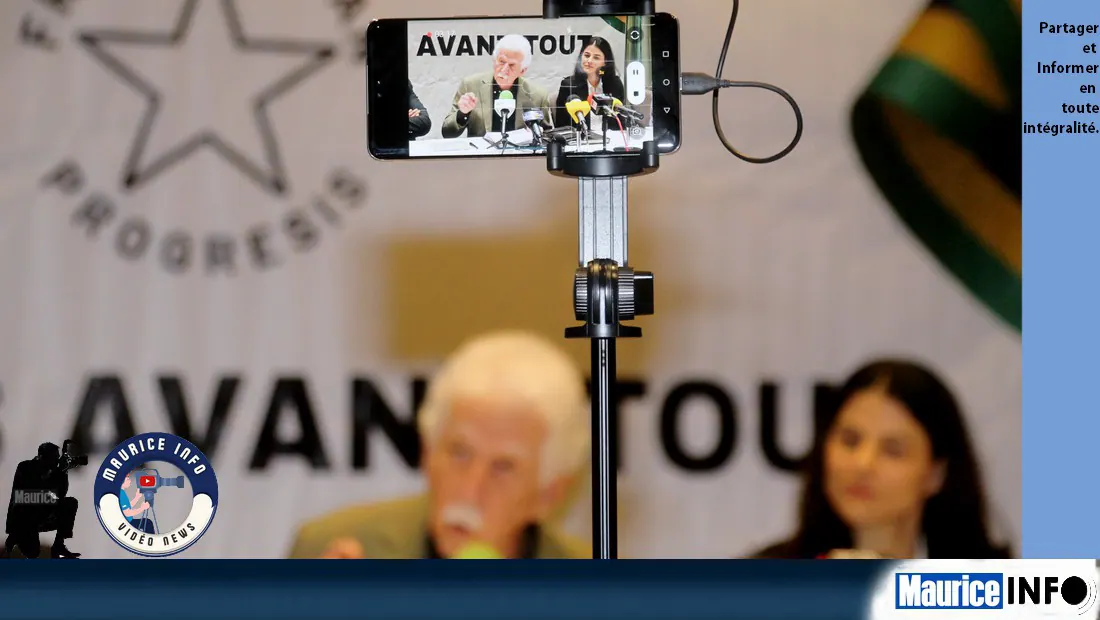
The Front Militan Progresis (FMP), a Mauritian opposition party, held a press conference on October 3, 2026, at the Hennessy Park Hotel, to express its concerns on several pressing issues. The party's leader, Paul Bérenger, highlighted the dangers of the proposed National Crime Agency (NCA) bill and its amendments. The FMP strongly opposes enshrining the NCA in the Constitution, citing concerns that it would undermine the authority of the Police Commissioner and increase political control over the security apparatus.
The FMP's opposition to the NCA bill stems from its potential to erode the independence of the security forces and concentrate power in the hands of the Prime Minister. The party is calling for a temporary freeze on the bill to allow for a more balanced legal framework, with robust parliamentary oversight and safeguards against abuse of power. The FMP drew inspiration from the British model, which they believe offers a more effective and accountable approach to crime prevention.
The FMP also turned its attention to the selection process for the Electoral Commissioner, a position that plays a crucial role in maintaining the integrity of Mauritius' democratic processes. The party expressed confidence in the Judicial and Legal Service Commission (JLSC) to lead the selection process, but emphasized the need for transparency and independence in the appointment of the Commissioner. The FMP cited the Indian example of electoral jurisprudence, which they believe offers valuable lessons for ensuring the credibility of future regional and national elections.
On the economic front, the FMP criticized the government's handling of fuel prices, which have increased significantly due to a combination of factors, including a depreciating rupee and heavy taxation. The party attributed the rise in fuel costs to a flawed mechanism for adjusting prices and called for a transparent audit of the State Trading Corporation (STC) to relieve financial pressure on households. The FMP demanded a detailed breakdown of import costs and greater transparency in the management of subsidies and commissions.
The FMP's concerns about fuel prices were echoed by many Mauritian households, which have been hit hard by the recent increases. The party's call for a transparent audit of the STC reflects growing public demands for greater accountability and transparency in the management of state-owned enterprises. The FMP's criticism of the government's economic policies is likely to resonate with many Mauritians who are struggling with the rising cost of living.
In response to a question from Maurice Info, Paul Bérenger stated that the recent decision by the G7 to release 100 million barrels of oil onto the market was unlikely to have a significant impact on fuel prices in Mauritius. The FMP's skepticism about the effectiveness of this measure reflects concerns that global market trends and local economic conditions will continue to drive fuel prices in the coming months.
The FMP's press conference on October 3, 2026, highlighted the party's commitment to holding the government accountable on key issues affecting the country. The party's criticisms of the NCA bill, the Electoral Commissioner selection process, and fuel prices reflect its concerns about the government's priorities and policies. As the Mauritian parliament prepares to reconvene, the FMP's demands for greater transparency, accountability, and economic justice are likely to remain a major point of contention.
Key points
- The FMP opposes enshrining the National Crime Agency (NCA) bill in the Constitution, citing concerns about its potential impact on the independence of the security forces.
- The party is calling for a transparent and independent selection process for the Electoral Commissioner, citing the importance of democratic integrity.
- The FMP demands a transparent audit of the State Trading Corporation (STC) to relieve financial pressure on households, citing concerns about the management of subsidies and commissions.