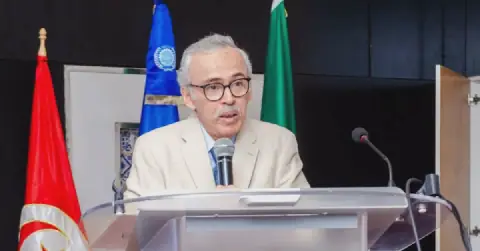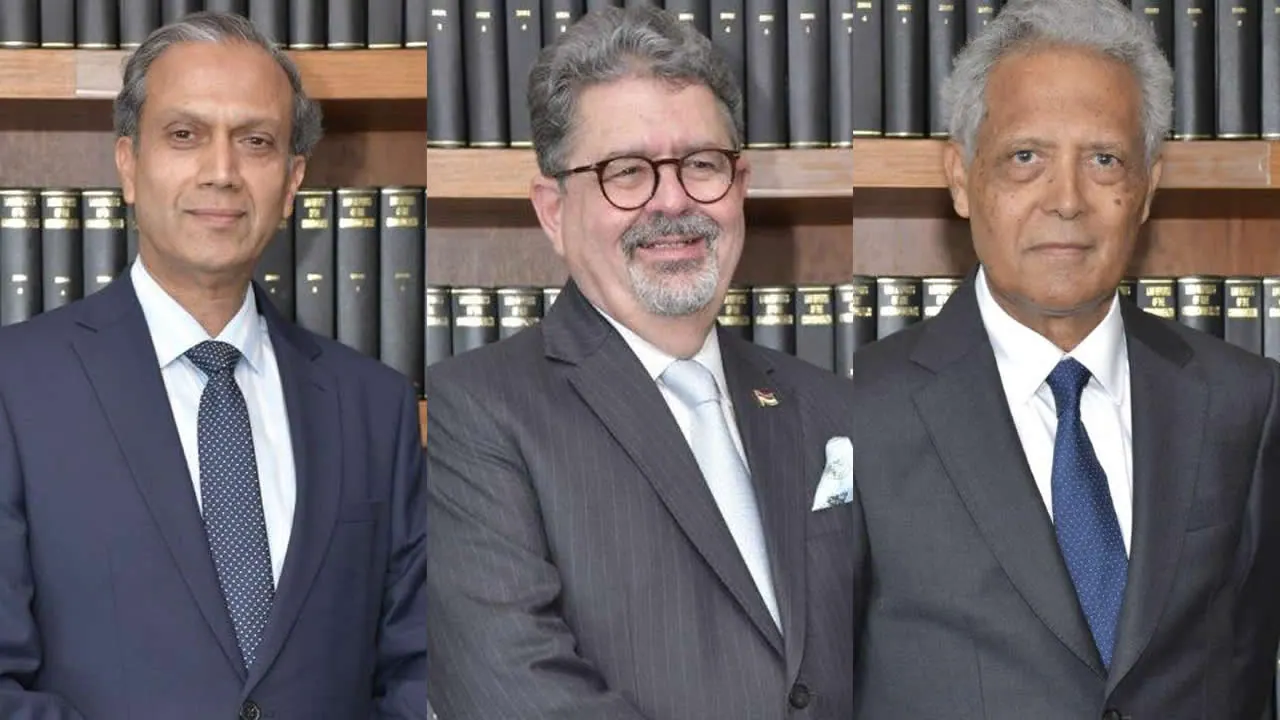
The proposed National Crime Agency (NCA) in Mauritius has sparked a heated debate on the balance between investigation efficiency, judicial control, and individual freedom. A recent roundtable discussion, organized by the Director of Public Prosecutions (DPP) office, brought together key stakeholders to discuss the NCA Bill and Police and Criminal Justice Bill. The Attorney General, Gavin Glover, the DPP, Rashid Ahmine, and Senior Counsel, Antoine Domingue, were among the participants. The discussion focused on the NCA's role, surveillance powers, and institutional independence.
The NCA is set to replace the Financial Crimes Commission (FCC) and specialize in financial crimes, corruption, money laundering, cybercrime, and complex organized crime. The Attorney General emphasized that the NCA will not undermine the police's powers, but rather work in parallel with protocols for collaboration between the NCA's director general and the Commissioner of Police. The proposed agency will have several control mechanisms, including an Independent Advisory Panel (IAP) that will report to the National Assembly. The IAP will play a crucial role in ensuring the NCA's accountability.
Surveillance powers of the NCA were a major topic of discussion, with the Attorney General distinguishing between surveillance in public places and more intrusive investigative techniques. He explained that certain operations in public places will not require prior judicial authorization, while more intrusive techniques will need a judge's approval. The judge will need to assess the proportionality of the measure and set parameters. The Attorney General emphasized that the surveillance powers will not be open-ended.
The independence of the NCA was another key point of discussion. Senior Counsel, Antoine Domingue, stressed that the creation of the NCA should not encroach on the constitutional responsibilities of the Commissioner of Police or the DPP. He emphasized the need for "necessity and proportionality" in intrusive powers, with judicial control and independent supervision. The protection of attorney-client privilege and journalistic material was also highlighted as crucial.
The DPP, Rashid Ahmine, supported the principle of the NCA but emphasized that it will not be enough on its own. He called for a modern National Prosecution Service and closer collaboration between investigators and prosecutors during investigations. The DPP also stressed the importance of following financial flows in combating drug trafficking. The use of new technologies, such as facial recognition and drones, raises concerns about privacy and data protection.
The appointment of the NCA's director general remains a contentious issue. Concerns were raised about the procedure for designating the interim director general and the potential for them to become the first director general of the NCA. The Attorney General acknowledged that this issue needs to be examined carefully before the bill's adoption. An alternative could be the establishment of the secretariat and the Independent Advisory Panel, which could recommend a candidate to the President.
The debate highlighted the need for a balance between independence and accountability. Senior Counsel, Antoine Domingue, emphasized that accountability is what protects independence. The NCA's establishment is seen as a step towards strengthening Mauritius' law enforcement, but its success will depend on the careful consideration of these issues. The Attorney General and other stakeholders will need to work together to address these concerns and ensure that the NCA is effective and accountable.
Key points
- The proposed National Crime Agency in Mauritius will specialize in financial crimes, corruption, and cybercrime.
- The agency's surveillance powers and independence have sparked debate among stakeholders.
- The appointment of the NCA's director general remains a contentious issue.