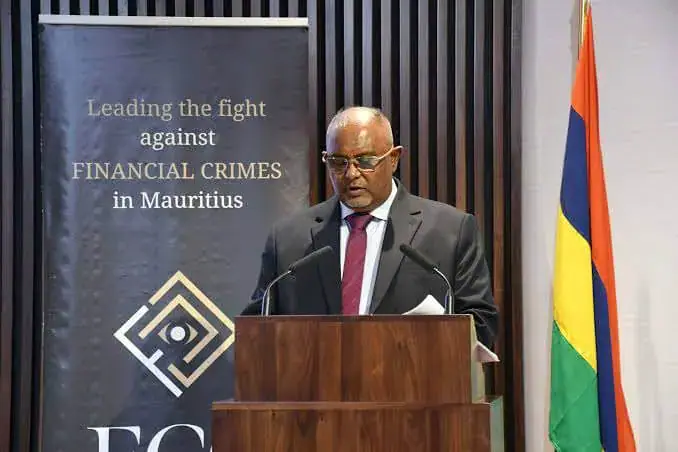
The Mauritian government has faced criticism for its handling of the National Crime Agency (NCA) bill, which was withdrawn from the order paper on October 27. The bill's withdrawal was seen as a surprise move, especially after the government's decision to push forward with a related bill, the Criminal Justice (Offenders Assisting Investigations And Prosecutions) Bill. The NCA bill has been met with opposition from various quarters, including the leader of the opposition, Chetan Baboolall, who expressed concerns over the agency's powers and potential politicization.
The director general of the NCA, a British national, has reportedly arrived in Mauritius and has already held meetings with high-ranking officials from concerned institutions. This development has raised questions about the government's intentions, particularly since the NCA bill has not yet been passed. The director general's appointment has been criticized, with some arguing that it undermines the country's sovereignty. The government has not commented on the director general's role or the status of the NCA bill.
Sanjay Dawoodarry, a Mauritian official, has been appointed as the deputy head of the NCA. According to a local lawyer, Dawoodarry is likely to be the de facto head of the agency, wielding more power than the police commissioner. This appointment has sparked concerns about the agency's independence and governance. The lawyer noted that the appointment of a foreign national as head of the NCA, with Dawoodarry as deputy, may not be a significant change from the existing Financial Crimes Commission.
The opposition and some members of the ruling party have expressed concerns about the NCA bill, citing concerns over the agency's powers and potential misuse. The bill's provisions, particularly those related to cybercrime, have been criticized for being overly broad. The government has faced allegations of attempting to use the NCA to target political opponents and journalists. The opposition has called for a select committee to examine the bill, but it appears that this may not happen.
The government's handling of the NCA bill has raised questions about its commitment to transparency and accountability. The withdrawal of the bill from the order paper and the subsequent appointment of a foreign national as head of the NCA have sparked concerns about the government's intentions. The government has not commented on the status of the NCA bill or the role of the director general.
The NCA is expected to take over some functions from the police, including those related to cybercrime. However, concerns have been raised about the agency's ability to operate independently and effectively. The appointment of a foreign national as head of the NCA has sparked concerns about the agency's accountability to the Mauritian people.
The government has faced criticism for its handling of various issues, including the NCA bill and other legislative proposals. The opposition has called for greater transparency and accountability from the government, particularly with regard to its handling of key legislation. The government's actions have sparked concerns about its commitment to democratic values and the rule of law.
Key points
- The director general of the National Crime Agency has arrived in Mauritius before the agency's establishment, sparking concerns over the government's plans.
- The appointment of a foreign national as head of the NCA has raised concerns about the agency's independence and governance.
- The government's handling of the NCA bill has sparked concerns about its commitment to transparency and accountability.