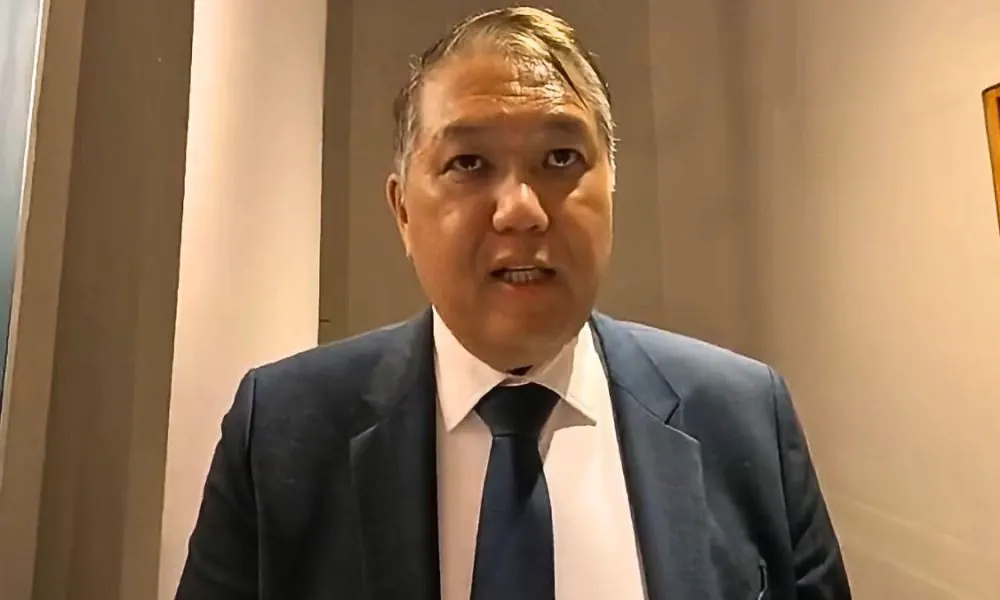
Minister of Commerce and Consumer Protection Michael Sik Yuen has warned that scrapping taxes on petroleum products would lead to the immediate end of free public transport for students and seniors in Mauritius. This move would also cause staple goods like ration rice and cooking gas to more than double in price. The Minister made these statements while speaking at a reception hosted by the Chinese Embassy for the 77th anniversary of the founding of the People’s Republic of China.
The Minister defended the latest fuel price hikes by pointing to factors beyond Mauritius's control. He rejected calls to temporarily remove certain taxes on petroleum products, insisting that Mauritius operates under a unique model compared to other nations. According to Mr. Sik Yuen, the country's financial model would be severely impacted if targeted levies were removed.
A key tax collected for the Road Development Authority, Rs 1.75, directs Rs 1.65 toward free travel for students and senior citizens—a government scheme costing over Rs 300 million annually. Removing this tax would terminate the program, affecting thousands of beneficiaries. The Minister emphasized that this program would be the first to be impacted if fuel taxes are scrapped.
The potential removal of a Rs 7.20 tax per litre of fuel would have significant effects on staple goods. A five-kilogram packet of ration rice would jump from Rs 56 to Rs 150, and the price of a gas cylinder would increase from Rs 250 to Rs 600. These projections were detailed by the Minister to illustrate the financial repercussions of removing targeted levies.
The remarks follow a decision by the Petroleum Pricing Committee to increase fuel prices by 10% effective Monday. Petrol rose from Rs 70.65 to Rs 77.70 per litre, and diesel climbed from Rs 71.25 to Rs 78.35. According to the Minister, market conditions warranted an 18% increase, but the existing regulatory mechanism caps adjustments at a maximum of 10%.
The decision to increase fuel prices has sparked concerns among citizens, particularly those who rely on public transport. The Minister's statements have highlighted the challenges faced by the government in balancing economic needs with social welfare programs. Free public transport for students and seniors is a significant benefit that may be impacted by the current economic situation.
The situation in Mauritius highlights the complexities of economic policy-making, particularly in small island nations with unique financial models. The government must navigate the challenges of global economic trends while protecting social welfare programs and maintaining economic stability. The Minister's warnings serve as a reminder of the potential consequences of policy changes on everyday citizens.
Key points
- Scrapping fuel taxes in Mauritius would lead to the end of free public transport for students and seniors.
- Removing targeted levies would cause staple goods like ration rice and cooking gas to more than double in price.
- The government of Mauritius operates under a unique financial model that would be severely impacted by changes to fuel taxes.