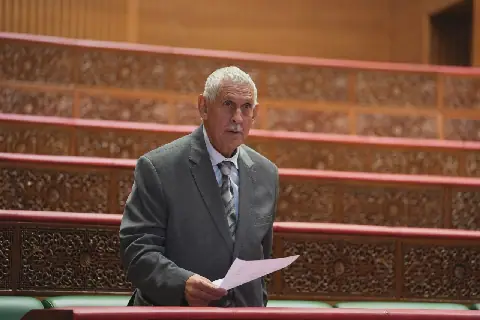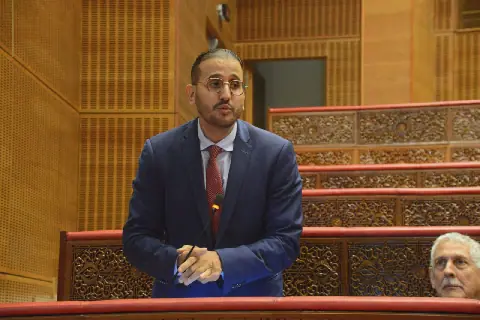
Mauritius Minister of Environment Rajesh Bhagwan recently provided an unexpected response to a parliamentary question regarding soil artificialization, sparking concerns and confusion over the extent of land imperviousness in the country. The question, posed by Joanna Bérenger, aimed to clarify the extent of soil artificialization, which refers to the covering of land with impermeable surfaces such as roads, parking lots, and buildings. Bhagwan's response seemed to limit the scope of artificialization to agricultural land, forests, and ecologically sensitive areas.
The minister's answer raised eyebrows as he appeared to misunderstand the concept of soil artificialization. When questioned about the specific percentage of the island's territory that has been rendered impervious, Bhagwan cited data from the United Nations, which he claimed indicated that approximately 30% of the island was covered by buildings in 2015. However, this figure was not substantiated, and it remains unclear what study or data Bhagwan relied on to arrive at this conclusion. Furthermore, the minister mentioned that in 2020, only 1 hectare of forest land was converted into settlements.
Bhagwan's response also highlighted inconsistencies in the government's data on soil artificialization. According to the Biennial Transparency Report 2024, approximately 39,018 hectares, or 20%, of the total land area of Mauritius was dedicated to settlements and built-up areas. However, it is unclear whether this figure refers to 2020 or 2024. The minister's claims have sparked concerns that the government may be downplaying the extent of soil artificialization, which can have significant implications for the island's water reserves and flood risk.
Soil artificialization can have severe consequences for the environment, including increased risk of flooding and decreased water reserves. As the island faces water scarcity issues, it is essential to adopt sustainable practices that allow rainwater to percolate into the soil. Experts have suggested using permeable materials for parking lots and other infrastructure to mitigate the effects of artificialization. The government has been criticized for not conducting studies on soil artificialization, despite the availability of satellite imagery and drone technology.
The issue of soil artificialization has been raised previously, with studies suggesting that Mauritius has one of the highest rates of artificialization globally. According to an study by Hammond and Al, in 2015, Mauritius had an artificialization rate of over 9%, significantly higher than the global average of 0.25-0.5%. The government's response has failed to provide clarity on the issue, and concerns remain about the impact of unchecked development on the island's environment.
The opposition has long highlighted the need for sustainable development practices in Mauritius. In a recent Facebook post, Gérard Sanspeur suggested that all development projects should include a water balance assessment, particularly for projects on virgin or agricultural land. He also noted that in Singapore, all projects with a minimum area of 2,000 square meters are required to slow down runoff before it enters the public drainage network.
The controversy surrounding Bhagwan's response has underscored the need for greater transparency and accountability in the government's approach to environmental issues. As the island continues to face challenges related to water scarcity and flooding, it is essential that policymakers prioritize sustainable development practices and provide accurate information on soil artificialization. The government must take concrete steps to address these concerns and ensure that development is balanced with environmental protection.
Key points
- The Mauritian government faces criticism for its response to soil artificialization, with concerns that it may be downplaying the extent of land imperviousness.
- Soil artificialization can have severe environmental consequences, including increased flood risk and decreased water reserves.
- Experts recommend adopting sustainable practices, such as using permeable materials for infrastructure, to mitigate the effects of artificialization.