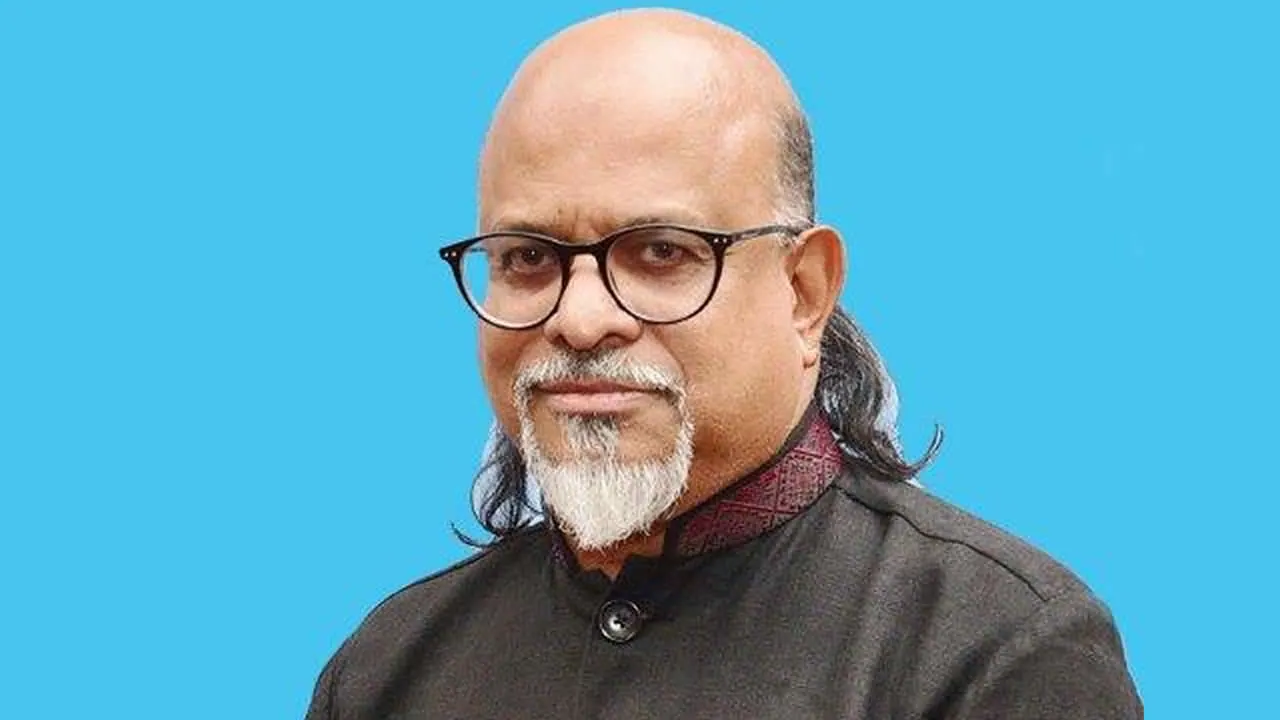
On the occasion of the International Day for the Eradication of Poverty, Mauritius Minister of Social Security and National Solidarity Ashok Subron emphasized the need to reassess the country's approach to measuring and combating poverty. Subron advocates for adopting the Multidimensional Poverty Index to better account for social exclusion, housing, education, health, and digital aspects. He believes that the existing laws and policies have become outdated and require revision to address the changing social landscape.
According to Subron, Mauritius' current poverty legislation, primarily focused on absolute and extreme poverty, has remained largely unchanged for years. Although the government's poverty alleviation policy, which includes social transfers and direct intervention through the National Empowerment Foundation (NEF), has led to notable progress, Subron argues that a qualitative leap is necessary. The NEF's data shows a significant decline in the number of beneficiaries, but Subron questions what this trend truly indicates.
The NEF's eligibility criteria are based on income thresholds, which are set at Rs 4,000 per month for an adult, Rs 2,800 for a child, and Rs 14,000 for a household. These figures are derived from the World Bank's poverty line of $2.50 per day per adult, equivalent to approximately Rs 3,071 per month. As of July 31, 2026, the NEF supported 5,197 households, comprising 19,038 individuals, with 3,196 households in Mauritius and 2,001 in Rodrigues.
The World Bank's 2025 report, "Mauritius Poverty & Equity Brief," states that Mauritius has successfully eradicated extreme poverty. However, the bank now uses a relative poverty threshold, defined as half of the median monthly household income per adult equivalent. Statistics Mauritius has also adopted this approach, reporting that 8.4% of the population, or approximately 101,900 people, lived below the relative poverty line in 2023, down from 10.4% in 2017.
The situation in Rodrigues remains more concerning, with 19.3% of individuals and 17.4% of households living below the relative poverty line in 2023. Notably, the NEF's beneficiary numbers cover only about 20% of the population actually living in poverty. Subron highlights that behind the statistics lies a more nuanced understanding of poverty, encompassing not just survival but also exclusion and social integration.
Subron explains that absolute poverty is about survival, focusing on basic needs like food, shelter, and clothing, whereas relative poverty is about inequality and social exclusion. He argues that as Mauritius has made progress in reducing absolute poverty, a significant segment of the population remains trapped in relative poverty, facing deprivations that a purely monetary approach struggles to capture.
The minister emphasizes that the nature of poverty has evolved, and new forms of deprivation have emerged. These include poverty related to social exclusion, digital access, transportation, and environmental degradation. Subron advocates for a multidimensional approach to address these complexities and ensure that poverty reduction strategies are aligned with the changing realities of Mauritian society.
Key points
- Mauritius' poverty laws and policies require revision to address evolving social realities and multidimensional poverty.