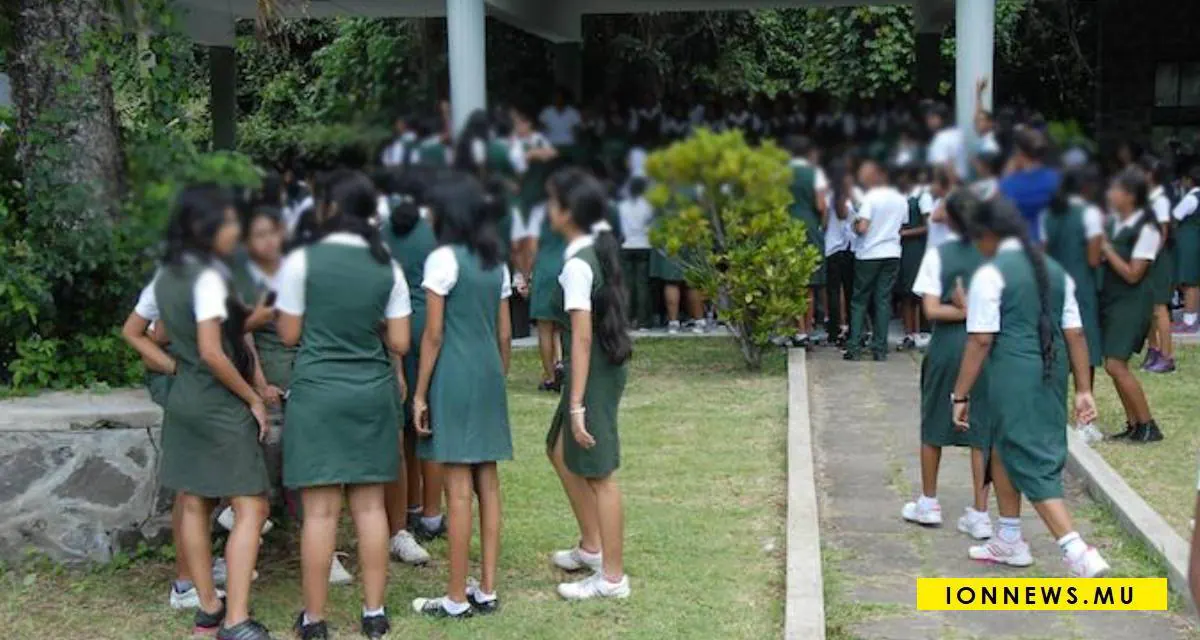
The National Initiative for Civic Education (NICE) is set to return to Mauritius in November 2026 with a pilot program targeting 200 Grade 8 students, aged 12-13. The initiative, led by multiple ministries and supported by the private sector, aims to promote civic education, national identity, and responsible citizenship. The program will run from November 16 to 28, with the first week being non-residential and the second week residential.
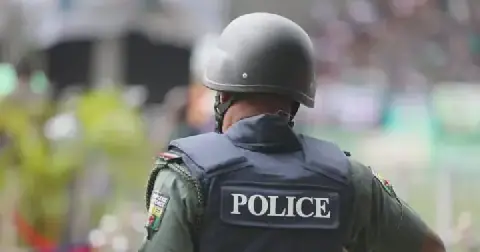
NICE 2026 focuses on six key areas: national education, character building, community development, disaster preparedness, resilience, and youth bonding. The program seeks to instill a sense of patriotism, responsibility, and positive values in young participants. A training session for trainers was conducted at the Police Training School in Beau-Bassin, led by Singaporean consultant Ong Boon Hwee, who previously contributed to NICE's development.
The pilot program will be implemented across four training centers during the non-residential week: Sodnac State Secondary School, Droopnath Ramphul State College, John Kennedy College, and Sookdeo Bissoondoyal State College. For the residential component, girls will be accommodated at the Pointe Jérôme Youth Training Centre, while boys will stay at the Coast Guard Training School in Le Chaland.
The selection process for the 200 participants remains unclear, with official sources indicating that students from public and private secondary schools in Mauritius, Rodrigues, and Agalega will be involved. Two students per school are expected to participate, but specific criteria for selection have not been disclosed. This has raised questions about the potential impact of the program.
The program's budget is estimated at Rs 5 million, which translates to approximately Rs 25,000 per participant. However, it is unclear whether families will be required to contribute financially. A figure of Rs 50,000 has been mentioned as a potential cost of participation, but this has not been confirmed.
NICE is not a new initiative, having been first launched in 2012 with around 200 Form IV students. The program was expanded to 400 students in 2013, focusing on themes such as national identity, citizenship, and personal development. The current pilot program aims to build on previous experiences and assess its effectiveness.
The success of NICE 2026 will depend on various factors, including the quality of training provided to participants and the selection process for trainers. Authorities acknowledge that the program's impact will largely depend on the individuals working directly with the children. As the initiative moves forward, it will be crucial to address concerns and evaluate its effectiveness in achieving its objectives.
Key points
- The National Initiative for Civic Education (NICE) pilot program aims to engage 200 Grade 8 students in a two-week program focused on civic education and social harmony.
- The program's budget is estimated at Rs 5 million, with an unclear contribution required from families.
- NICE 2026 focuses on six key areas, including national education, character building, and disaster preparedness.