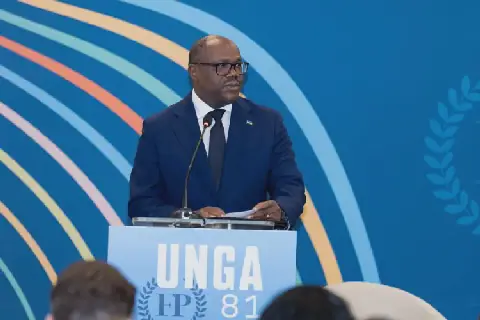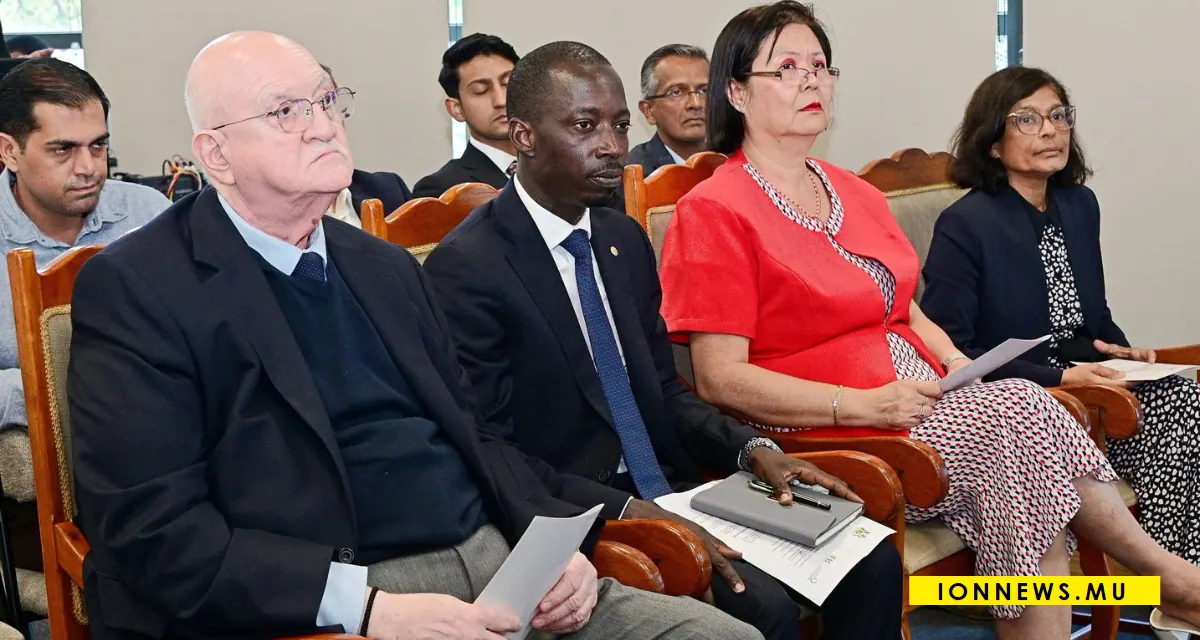
The Mauritian government has initiated a four-day workshop at The Docks in Port-Louis to structure its regulatory framework related to Article 6 of the Paris Agreement. The event, which started on September 22, gathers around 50 participants from ministries, the private sector, civil society, local authorities, and technical partners. The goal is to establish the country's roadmap for carbon credits. The workshop is organized by the Ministry of Environment, Solid Waste Management, and Climate Change, in collaboration with the Institute of Francophonie for Sustainable Development (IFDD) and the International Organization of La Francophonie (OIF).
The workshop aims to define national priorities, capacity-building needs, and the distribution of responsibilities among key actors to effectively engage Mauritius in international carbon markets. The country's Minister of Environment, Rajesh Bhagwan, emphasized the significant financial opportunities offered by Article 6, which will enable the country to attract international and private investments for greenhouse gas emission reduction projects. The sectors targeted by these future funds include energy, transportation, and waste management.
Minister Bhagwan highlighted Mauritius' vulnerability as a Small Island Developing State, stressing the need to translate climate commitments into pragmatic projects to modernize energy networks, protect coastal areas, and stimulate green employment. He also launched an appeal to Mauritians aged 18 to 35 to join the National Youth Council for the Environment to propose innovative ideas. The minister stated that ongoing public consultations with women, youth, fishermen, and farmers will inform Mauritius' official position ahead of COP31 in Turkey next November.
Dr. Issa Bado, program specialist at the OIF, reaffirmed his organization's commitment to providing technical assistance to equip Mauritius with the necessary institutional, legal, and technical structures for integration into global carbon markets. The IFDD and OIF are working closely with the Mauritian government to support the development of the country's carbon market.
The workshop will enable participants to discuss and agree on the country's priorities and strategies for engaging in international carbon markets. This will involve identifying potential projects, developing a national carbon market strategy, and establishing a framework for the implementation of Article 6 of the Paris Agreement. The event is a crucial step towards Mauritius' effective participation in global efforts to reduce greenhouse gas emissions.
The Paris Agreement's Article 6 provides a framework for countries to cooperate in reducing greenhouse gas emissions through the use of internationally transferred mitigation outcomes (ITMOs). This mechanism allows countries to achieve emission reductions through projects and programs implemented in other countries, which can be traded and used to meet national emission targets.
The outcome of the workshop will contribute to the development of Mauritius' position on carbon markets and its engagement in international climate change mitigation efforts. The country's participation in global carbon markets is expected to support its transition to a low-carbon economy and promote sustainable development.
Key points
- The Mauritian government has initiated a four-day workshop to develop its regulatory framework for carbon credits under the Paris Agreement.
- The workshop aims to define national priorities, capacity-building needs, and the distribution of responsibilities among key actors to effectively engage Mauritius in international carbon markets.
- The country's participation in global carbon markets is expected to support its transition to a low-carbon economy and promote sustainable development.