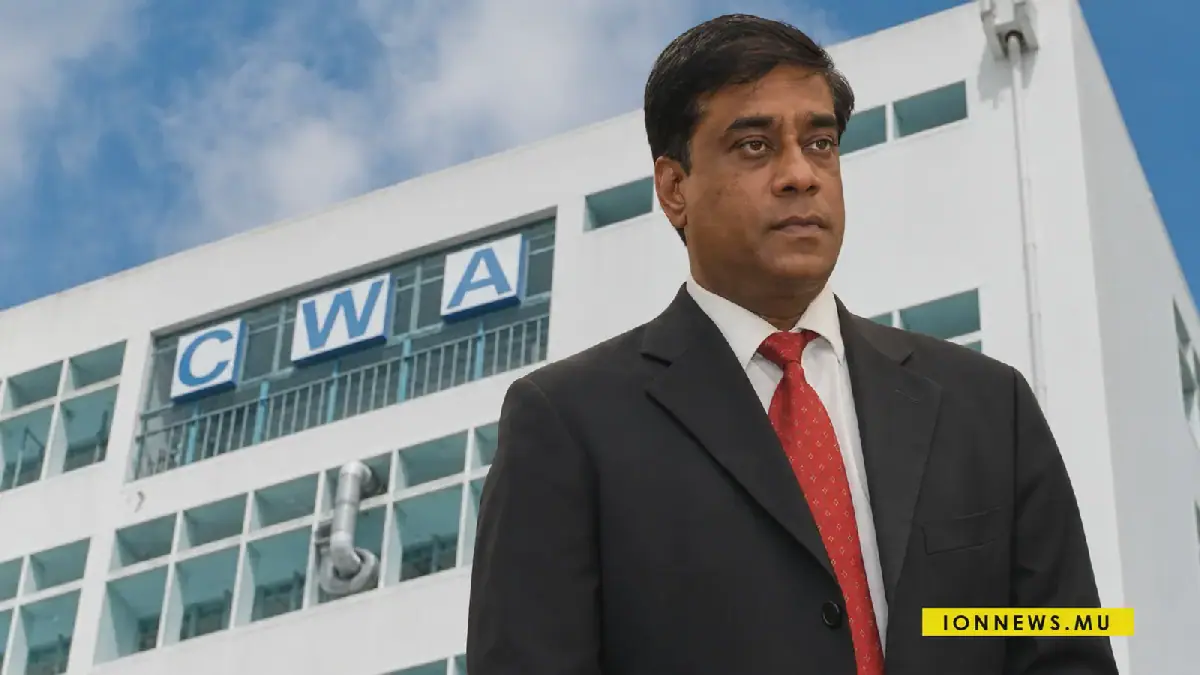
Mauritius is in the grip of a severe water crisis, with widespread shortages affecting residents across the island. The Central Water Authority (CWA) has borne the brunt of criticism for its handling of the situation, but experts and officials are pointing to deeper institutional failures. According to Roshi Bhadain, the problem of water scarcity has been decades in the making, with successive governments failing to provide adequate solutions.
The Water Resources Commission (WRC), led by director Lomush Juggoo, has been criticized for its lack of action and inadequate planning. Despite its crucial role in managing the country's water resources, the WRC has been accused of inaction and incompetence. Harvin Soonarane, the newly appointed director of the Ministry of Energy and Public Utilities, has reportedly expressed concerns about the WRC's performance, citing the need for more effective management of the country's water resources.
One of the key challenges facing Mauritius is the rate at which new water sources are being developed. According to reports, the country is only managing to drill around seven new wells per year, a pace that is woefully inadequate given the growing demand for water. This shortfall has been exacerbated by the effects of climate change, which have placed additional strain on the country's water resources.
The condition of critical infrastructure, such as the valves at the Mare-aux-Vacoas reservoir, has also raised concerns. These strategic assets, which play a crucial role in regulating water flows and managing the reservoir, are reportedly in a poor state due to a lack of maintenance. With the country facing a severe water crisis, the importance of properly functioning infrastructure cannot be overstated.
The delays in implementing key projects, such as the construction of a new tower at the Mare-aux-Vacoas reservoir, have also been criticized. This project, which is essential for improving the management of the country's water resources, has been stalled for several years, with estimates suggesting that it would take at least two years to complete. Every year of delay represents a missed opportunity to strengthen the country's water management capabilities.
As the water crisis deepens, there are growing calls for greater accountability from the institutions responsible for managing the country's water resources. While the CWA has faced criticism for its handling of the distribution of water, other institutions, including the WRC, must also be held accountable for their roles in managing and planning the country's water resources.
The water crisis in Mauritius has highlighted the need for a comprehensive strategy for managing the country's water resources. With the country's population and economy growing, the demand for water is likely to continue to increase, placing additional strain on the country's water resources. To address this challenge, the government will need to take a more coordinated and effective approach to managing the country's water resources, including investing in new infrastructure and implementing more effective management practices.
Key points
- The Central Water Authority has been criticized for its handling of the water crisis, but other institutions, including the Water Resources Commission, must also be held accountable for their roles in managing and planning the country's water resources.