The Price Stabilisation Account, a mechanism designed to smooth out fluctuations in global oil prices, is showing signs of depletion. When global oil prices drop, the fund sets aside a portion of the difference; when prices surge, it uses the reserve to cushion the impact on consumers. However, the fund is now in deficit, with a shortfall of Rs 3.63 billion as of September 28, according to the Petroleum Pricing Committee.
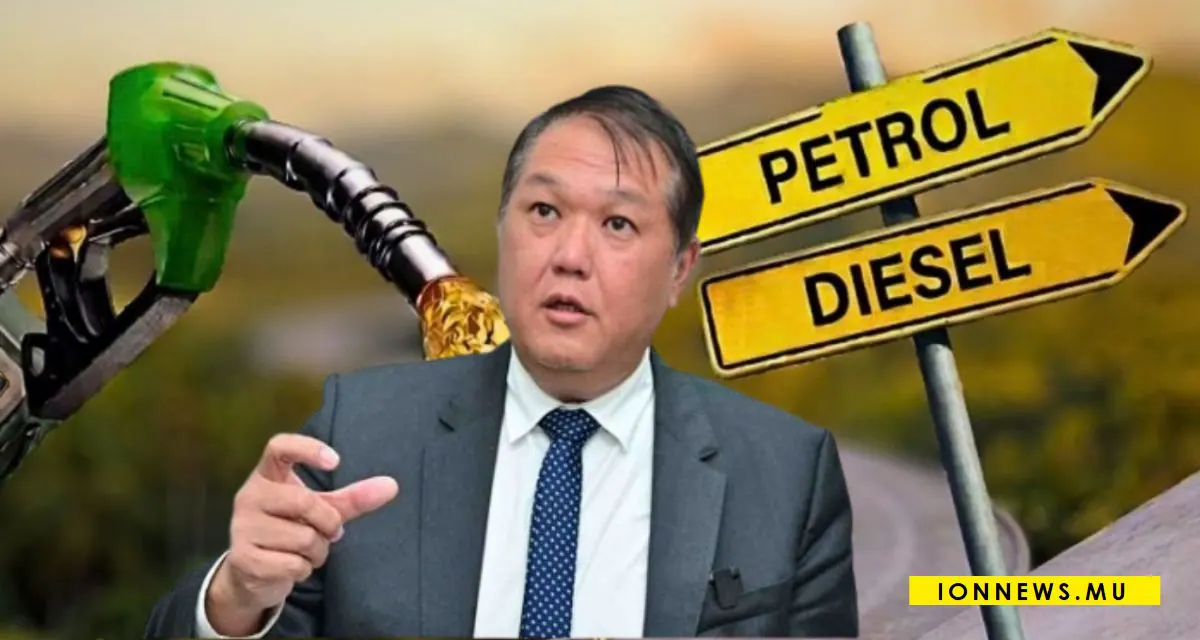
The deficit has deepened by Rs 130 million in a few weeks, indicating that the fund is no longer able to absorb price shocks. As a result, recent fuel price hikes are being passed on to consumers, with petrol prices rising to Rs 77.70 and diesel to Rs 78.35, a 10% increase. The minister of commerce, Michael Sik Yuen, stated that the price hike would have been 18% without the fund's intervention.
The Price Stabilisation Account was established to protect consumers from sudden price fluctuations. However, with the fund in deficit, it can no longer play its role as a shock absorber. When the reserve is depleted, each new price hike is passed on to consumers, leaving them to bear the brunt of the increase.
The question of who will refill the fund is now a pressing concern. If the fund is not replenished, the cost of the deficit will be transferred to consumers, who will bear the burden of successive price hikes. The minister's comments suggest that the government is aware of the issue, but a clear plan for refilling the fund has not been announced.
The current state of the fund suggests that further price hikes are likely. With global oil prices and exchange rates remaining unfavorable, pressure on fuel prices is unlikely to ease. The minister's admission that the recent price hike was capped at 10% implies that further revisions may be necessary.
The situation has significant implications for Mauritian households. With fuel prices likely to continue rising, consumers are bracing for further increases in living costs. The government's decision on how to address the fund's deficit will have a direct impact on the cost of living for many Mauritians.
The issue has sparked concerns about the effectiveness of the Price Stabilisation Account and the need for a clear plan to manage fuel price fluctuations. As the government weighs its options, consumers are waiting to see how the situation will unfold and what measures will be taken to mitigate the impact of rising fuel costs.
Key points
- The Price Stabilisation Account is in deficit, leading to successive fuel price hikes in Mauritius.
- The fund's depletion has left it unable to absorb price shocks, passing the burden to consumers.
- Further fuel price hikes are likely, as the fund's deficit and unfavorable global market conditions persist.