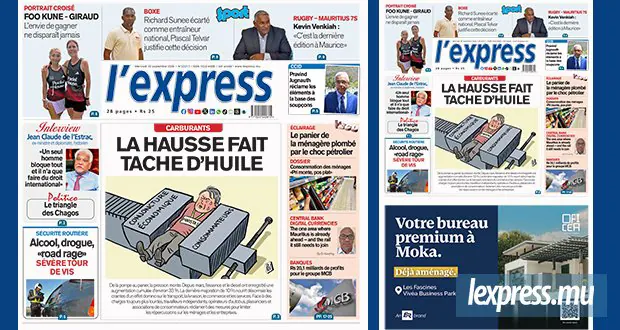
The price of fuel in Mauritius has been on the rise, with a 33% increase in the cost of petrol and diesel since March. The latest hike of 10% has led to concerns that there will be a domino effect on transportation, delivery, commerce, and services. With the increased cost of fuel, workers, bus operators, and consumer associations are calling for measures to mitigate the impact on households and businesses.
The Mauritian government is facing pressure to take action to cushion the blow of the fuel price increase. With many households and businesses already struggling with the rising cost of living, the government is expected to consider measures to alleviate the burden. The impact of the fuel price hike is being felt across various sectors, including transportation, where operators are warning of potential price increases.
The MCB Group, one of the largest banks in Mauritius, has reported a profit of Rs 20.1 billion. The bank's performance is seen as a positive indicator for the Mauritian economy, but the fuel price hike is expected to have a negative impact on the economy. The government is expected to take steps to mitigate the impact of the fuel price increase on the economy.
The issue of fuel prices has also sparked concerns about the impact on crime. The government has announced a crackdown on road rage, alcohol, and drug-related offenses. The move is part of a broader effort to improve road safety and reduce crime. The government has also announced plans to increase security measures to prevent crime.
The fuel price hike has also had an impact on consumer spending. With the cost of living increasing, many households are having to adjust their spending habits. The phrase "Pri monte, pos plat" has become a popular saying, translating to "prices go up, but plates remain empty." The impact of the fuel price hike on consumer spending is being closely watched by economists.
The Mauritian Prime Minister, Pravind Jugnauth, has called for an investigation into the circumstances surrounding the fuel price hike. The investigation is expected to look into the factors that led to the price increase and to identify possible solutions. The government has also announced plans to engage with stakeholders to find a solution to the fuel price crisis.
The fuel price hike has also sparked concerns about the impact on the tourism industry. With Mauritius being a popular tourist destination, the government is keen to ensure that the fuel price hike does not deter visitors. The tourism industry is a significant contributor to the Mauritian economy, and any negative impact could have far-reaching consequences.
Key points
- The fuel price hike in Mauritius has sparked concerns over the economic impact on households and businesses.
- The government is facing pressure to take action to cushion the blow of the fuel price increase.
- The impact of the fuel price hike is being felt across various sectors, including transportation and consumer spending.