The government of Mauritius has announced a fuel price hike, effective from the start of the week, following a meeting of the Petroleum Pricing Committee on September 28. The new prices are as follows: petrol will cost Rs 77.70 per liter, up from Rs 70.65, and diesel will cost Rs 78.35 per liter, up from Rs 71.25. This move has sparked concerns and protests from various sectors, including consumers, transport operators, and businesses.
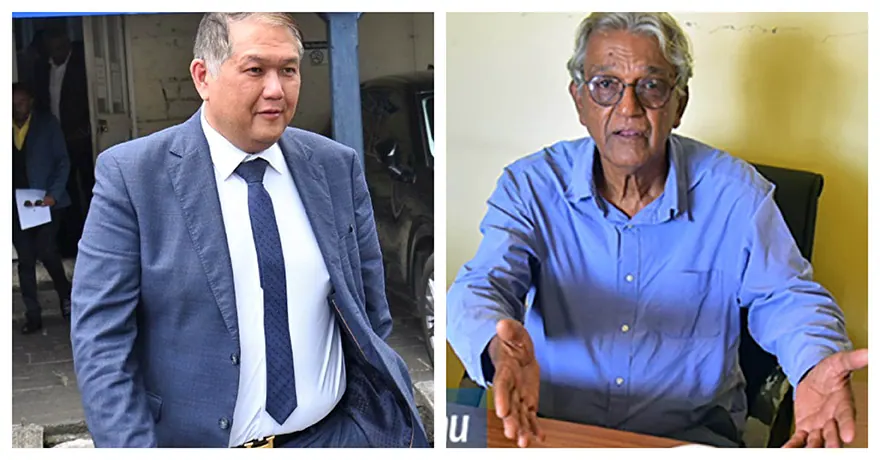
The Minister of Commerce and Consumer Protection, Michael SikYuen, explained that the price hike is due to a complex situation, citing a rise in global oil prices and countries halting their export of diesel. He also warned that another price hike is not ruled out. The opposition has strongly reacted to the price hike, with former Prime Minister Pravind Jugnauth stating that the government had promised to reduce fuel prices after the election, but instead, the people are now paying the price.
The price hike is expected to have far-reaching impacts on various sectors, including transport, construction, and consumption. The Central Electricity Board has issued a statement saying that the price hike will have significant repercussions on electricity production costs. Several sectors, including the Association of Bakery Owners, have requested a meeting with Minister SikYuen to discuss the implications of the price hike.
The Taxi Proprietors Union has also demanded financial assistance from the government, while the Consumer Association of Mauritius has called for a reduction in taxes levied by the state. The association's president, Jayen Chellum, stated that a reduction of two rupees in taxes would result in a mere 0.69% decrease in state revenue, which is a negligible amount.
The Front Militant Progressiste party has also weighed in on the issue, with leader Paul Bérenger stating that the government is not doing enough to mitigate the impact of the price hike on the population. He suggested that the government could reduce or eliminate certain taxes, but this would affect the budget deficit and public debt.
The price hike has also affected ordinary citizens, including automobilists who make long daily commutes. Kassendra, a resident of Curepipe, expressed her frustration, stating that the price hike has made her daily commute more expensive and has forced her to re-evaluate her budget. Jennita, a mother of two from Vacoas, also expressed her disappointment, stating that the government had promised to improve the lives of Mauritians, but instead, they are now facing higher fuel prices.
The fuel price hike has sparked widespread concerns and protests, with many calling for the government to take action to mitigate its impact. The government faces pressure to address the concerns of various sectors and find a solution to the fuel price hike, which is expected to have far-reaching implications for the economy and the daily lives of Mauritians.
Key points
- The fuel price hike in Mauritius has sparked concerns and protests from various sectors.
- The government faces pressure to address the concerns of various sectors and find a solution to the fuel price hike.
- The price hike is expected to have far-reaching impacts on various sectors, including transport, construction, and consumption.