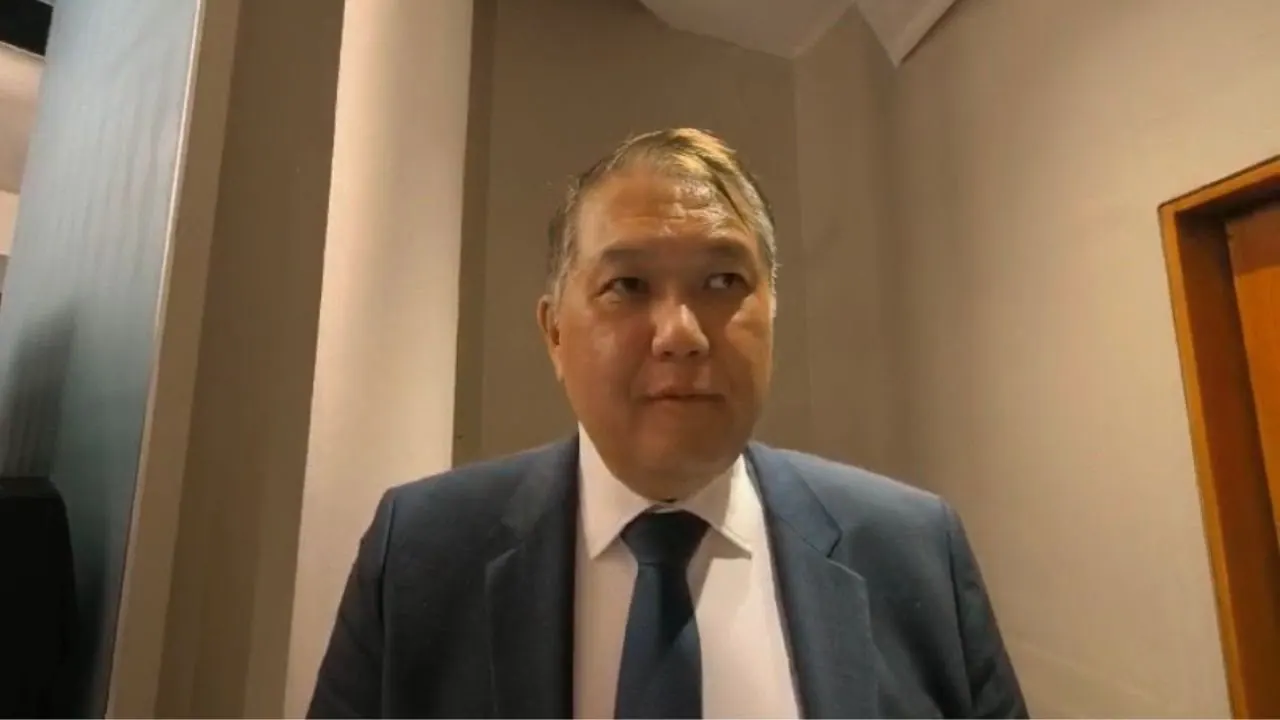
The Mauritian government has raised fuel prices, with petrol increasing to Rs 77.70 per liter and diesel to Rs 78.35 per liter, a 10% hike. According to Minister of Trade and Consumer Protection, Michael Sik Yuen, this increase was necessary due to factors beyond Mauritius' control. He made these comments at a reception held by the Chinese Embassy in Mauritius, celebrating the 77th anniversary of the founding of the People's Republic of China.
Minister Sik Yuen discussed the proposal to temporarily remove certain taxes on petroleum products. He argued that such a measure would have severe consequences for consumers. Mauritius' economic model differs from other countries, and removing taxes would impact various sectors. For instance, the Road Development Authority tax of Rs 1.75, with Rs 1.65 going towards free transport for students and seniors, would be affected.
If taxes were removed, free transport for students and seniors would cease to exist. The government currently spends over Rs 300 million annually on this initiative. Furthermore, removing the Rs 7.20 tax per liter of fuel would significantly increase the price of essential goods. A 5kg bag of ration rice would rise from Rs 56 to Rs 150, and a gas cylinder would jump from Rs 250 to Rs 600.
The minister emphasized that the 10% fuel price increase was capped by a mechanism that allowed for a maximum 10% hike, although the actual increase needed was 18%. The Petroleum Pricing Committee decided on the price revision. This move has significant implications for the Mauritian population, particularly those relying on subsidized goods and transport.
The impact of the fuel price hike will be closely monitored by consumers and stakeholders. As a major trading nation, Mauritius is susceptible to global market fluctuations. The government's decision aims to balance economic realities with the needs of its citizens. The minister's comments highlight the complexities of economic policy-making in a small island nation.
The current fuel price increase coincides with celebrations of the 77th anniversary of the People's Republic of China. The event, hosted at the Hennessy Park Hotel in Ebène, brought together dignitaries and officials. Minister Sik Yuen's comments provide insight into the challenges faced by the Mauritian government in managing its economy.
The situation will continue to unfold as the Mauritian government navigates economic challenges. The minister's warnings about the consequences of removing taxes on fuel products have set the stage for further discussions on economic policy and its effects on citizens.
Key points
- Removing taxes on fuel products could end free transport for students and seniors in Mauritius.
- A 5kg bag of ration rice could rise to Rs 150 if taxes on fuel products are removed.
- The 10% fuel price hike was capped by a mechanism that allowed for a maximum 10% increase.