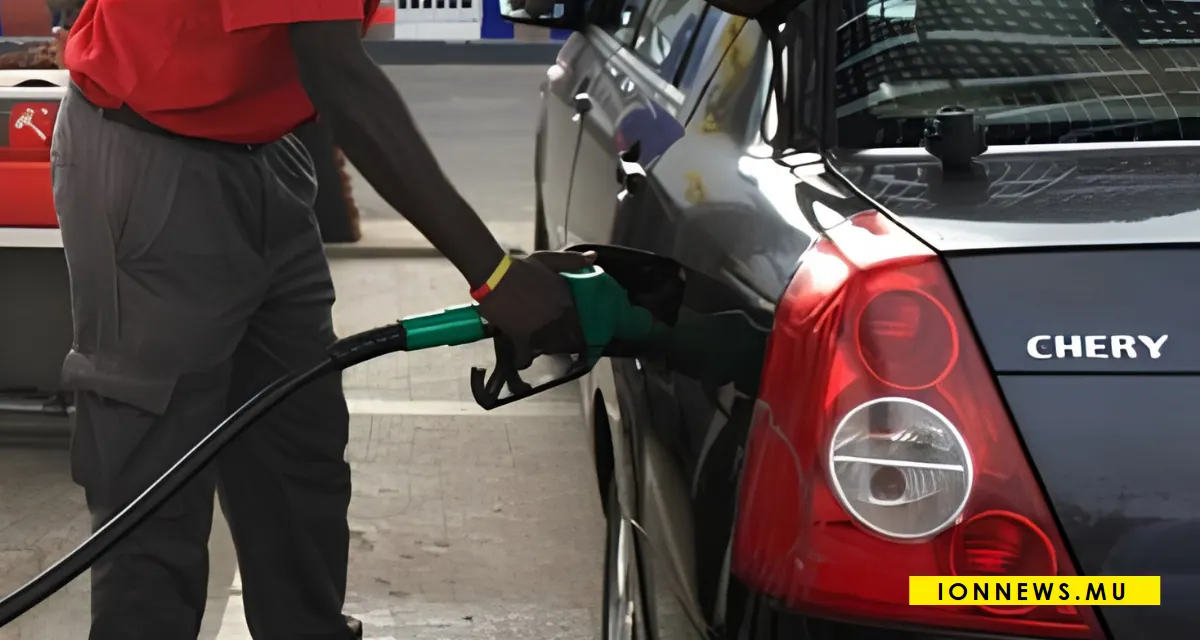
According to the latest Monthly External Merchandise Trade Statistics report published by Statistics Mauritius on September 18, the country's economy is vulnerable to international energy markets. In July 2026, the import of petroleum products, classified under mineral fuels and lubricants, reached Rs 6,702 million. This represents a 31% decrease from the peak in June 2026 but still a significant increase from July 2025.
The fuel bill for July 2026 was Rs 1,239 million higher than the same period last year, when it stood at Rs 5,463 million. This 22.7% increase highlights the impact of the depreciation of currencies and volatility in global crude oil prices on the island nation's direct supply. The pressure on hydrocarbons is part of a broader deterioration in the country's trade balance.
In July 2026, total imports rose to Rs 30,385 million, a 30.8% increase from Rs 23,237 million in the same period last year. Despite a strong performance in exports, which grew to Rs 10,871 million, driven by the bunkering and maritime catering sectors, the trade deficit worsened by 35.2% to Rs 19,514 million.
The growth in exports was largely driven by the bunkering and maritime catering sectors, which increased to Rs 4,619 million from Rs 2,457 million in July 2025. However, this was not enough to offset the surge in imports. The country's reliance on key partners such as China, India, and Oman is evident, with these countries accounting for a significant portion of Mauritius' imports.
China was the largest import partner for Mauritius, with imports valued at Rs 7,390 million, followed by India with Rs 3,028 million, and Oman with Rs 1,795 million. This dependence on external supply chains is a structural feature of the Mauritian economy. The trade deficit has significant implications for the country's economy and policymakers.
The deterioration in the trade balance is a concern for the Mauritian economy, which is heavily reliant on imports. The fuel bill is a significant component of the import bill, and the recent increase in global oil prices has added to the pressure. The government will need to consider strategies to mitigate the impact of these external factors on the economy.
The Statistics Mauritius report highlights the need for the country to diversify its economy and reduce its dependence on imports. The growth in the bunkering and maritime catering sectors is a positive development, but more needs to be done to address the structural issues facing the economy. The government will need to work with stakeholders to develop a strategy to address these challenges and promote sustainable economic growth.
Key points
- Mauritius' fuel bill reached Rs 6.7 billion in July 2026, a 22.7% increase from the same period last year.
- The country's trade deficit worsened by 35.2% to Rs 19,514 million in July 2026.
- Mauritius is heavily reliant on imports, with key partners including China, India, and Oman.