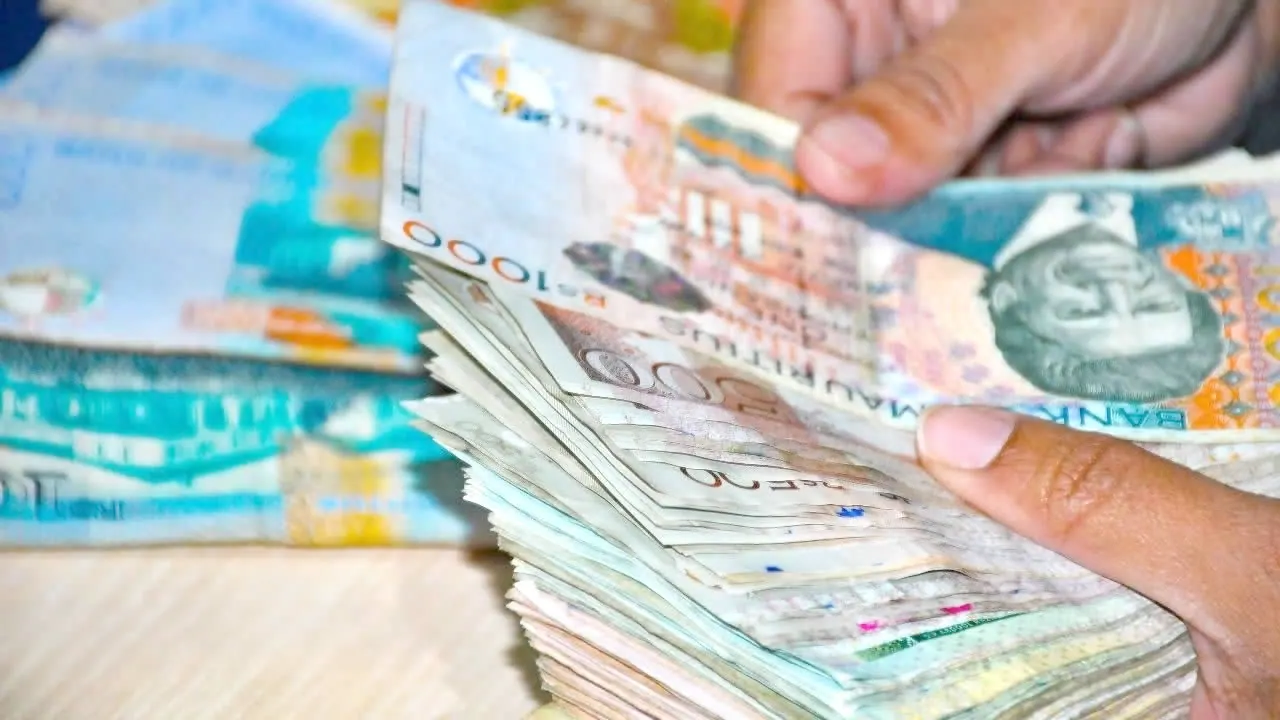
The Mauritian economy is expected to save Rs 154.24 billion by 2026, but economists are warning that this forecast is concerningly low. According to Georges Chung, an economist, the current savings rate is a significant weakness for the economy, which aims to accelerate its growth rate. He emphasizes that for Mauritius to achieve a growth rate of 4-5%, the savings rate must exceed 25% of the country's GDP.
Chung draws a comparison with Singapore, which has a growth rate of over 4-5% and a savings rate of over 40-50% of its GDP in some years. He stresses that savings are a crucial source of investment, which is the primary driver of economic growth. If savings remain low, investment is likely to be weak, making it challenging to accelerate economic growth, unless there is a significant influx of foreign direct investment.
Dr. Chandan Jankee, another economist, shares Chung's concerns, stating that the low savings rate reflects the current difficulties faced by the economy. He notes that the national savings rate has been declining, and the economy is experiencing a slowdown in growth, high inflation, and a decline in investor confidence. According to official figures and data from the International Monetary Fund and the World Bank, there is no indication of significant improvement.
Jankee identifies inflation as a key factor affecting savings, as rising living costs lead to decreased personal savings. This trend is not limited to households, as companies also see their savings capacity reduced due to increased production costs. Furthermore, the increase in public debt is also a contributing factor, as it typically leads to a decline in national savings.
The economists' concerns are rooted in the fact that Mauritius has pursued a growth strategy focused on consumption over the past decade, which has resulted in low savings rates. Chung and Jankee agree that the government must prioritize policies that promote savings and investment to achieve sustainable economic growth.
The forecasted savings rate of Rs 154.24 billion by 2026 may seem positive, but economists argue that it is insufficient to drive significant economic growth. To achieve its growth aspirations, Mauritius must address its low savings rate and develop strategies to increase investment, either through domestic savings or foreign direct investment.
The Mauritian government faces a significant challenge in addressing the country's low savings rate and promoting economic growth. Economists stress that a comprehensive strategy is needed to boost savings, investment, and competitiveness, which will require careful planning and coordination among policymakers, businesses, and individuals.
Key points
- Economists warn that Mauritius' low savings rate may hinder its economic growth aspirations.
- The country's savings rate must exceed 25% of GDP to achieve a growth rate of 4-5%.
- Inflation and high public debt are significant factors contributing to the low savings rate.