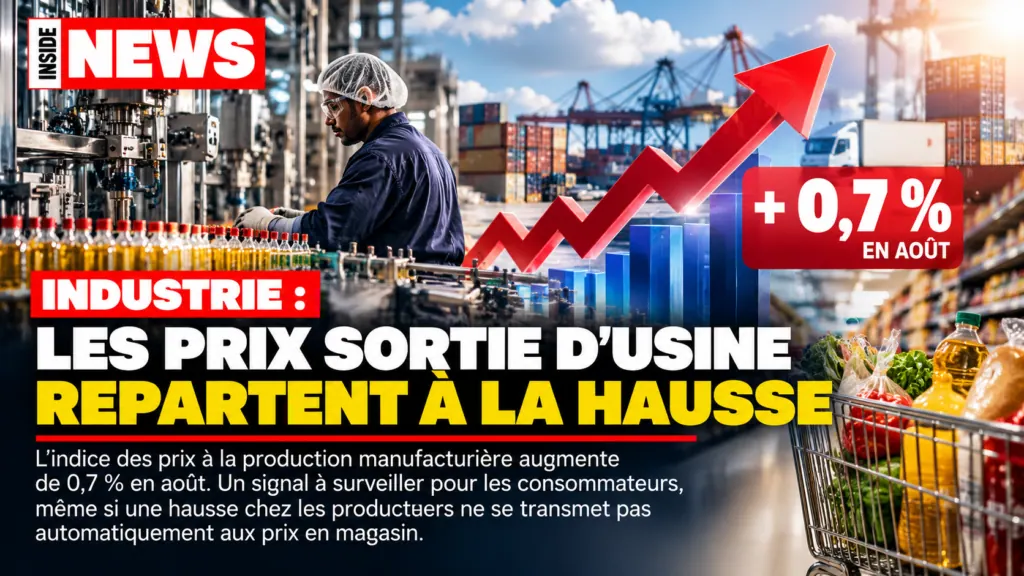
According to data released by Statistics Mauritius, the country's manufacturing production price index increased by 0.7% in August. This development has caught the attention of consumers, although a rise in producer prices does not necessarily translate to higher prices on store shelves. The index measures prices at the producer level, not directly at the consumer level, which is an essential distinction to make.
When manufacturers face higher costs for raw materials, packaging, energy, transportation, or other inputs, they have several options. They can absorb some of the costs and reduce their profit margins, improve productivity, or pass on some of the increased costs to their customers if market conditions allow. This is why producer prices are often monitored as a potential indicator of future inflationary pressures.
However, producer prices do not automatically predict inflation at the supermarket. Several factors come into play between the producer and consumer, including distributor margins, imports, competition, promotions, taxes, and changes in demand. Previous data from Statistics Mauritius had already shown significant pressure on several industrial categories, with the average manufacturing production price index rising by 2% in the second quarter compared to the first quarter and 7.3% year-over-year.
The food and beverage products were among the categories contributing to this increase, which is particularly important for Mauritius. The island nation's economy is susceptible to fluctuations in imported goods, freight, fuel, and exchange rates, which can combine with variations in food production costs. As a result, the August increase merits attention but not alarm, indicating that some pressures persist at the industrial level.
The next question will be to determine whether these costs are absorbed by companies or gradually passed on to retail prices. It is only when production, import, and consumption statistics start moving in the same direction that the inflation signal becomes much more significant. For Mauritian households, the factory price index is not yet the price displayed on store shelves but could be one of the places where this price begins to form.
Economists and policymakers will be closely watching the situation to assess the potential impact on inflation and the overall economy. A sustained increase in producer prices could lead to higher prices for consumers, affecting their purchasing power and the overall cost of living. However, it is essential to consider various factors, including the global economic situation, trade agreements, and domestic economic policies, which can influence the transmission of producer prices to consumers.
The recent increase in factory prices in Mauritius serves as a reminder of the complexities of the economy and the need for continuous monitoring of key indicators. As the country navigates the challenges of economic growth, inflation, and employment, understanding the dynamics of producer prices and their potential impact on consumers is crucial for making informed decisions.
Key points
- The 0.7% increase in Mauritius' manufacturing production price index in August could be a sign of potential inflationary pressures.
- The rise in producer prices does not necessarily translate to higher prices on store shelves, as several factors come into play between the producer and consumer.
- The food and beverage sector, which contributed to the previous price increases, will be an essential area to watch in Mauritius.