Mauritius is currently facing an unprecedented crisis, with severe water shortages triggering violent protests across the island. The situation has deteriorated to the point where the diaspora is growing increasingly concerned about the social and economic implications. With water reserves dwindling to 56-57% of capacity, down from 87% last year, the government is struggling to maintain a stable supply. This has resulted in widespread disruptions, affecting hundreds of thousands of residents.
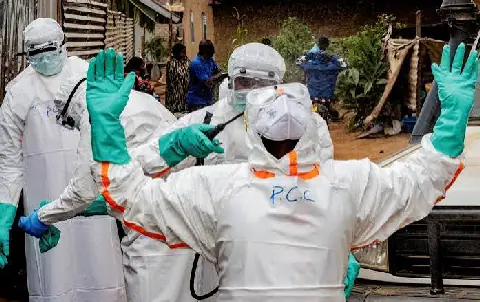
The protests, which began as demonstrations, quickly escalated into full-blown riots, with barricades, burning tires, and Molotov cocktails being used. The situation turned critical on Friday evening in Camp-Levieux, where a 27-year-old mother, Élodie Thomas, was critically injured by a police bullet. An international medical team of 13 personnel from India has been dispatched to provide care, and her condition is currently stable but critical. The incident has heightened tensions and raised concerns about the police response.
The Mauritian diaspora, spread across the globe, is following the developments with growing unease. Many are expressing empathy for those suffering on the island while fearing the long-term consequences of these disturbances. The diaspora is well aware of the island's economic vulnerabilities, including its fragile tourism industry and dependence on exports. Every day of unrest weighs heavily on the country's reputation and economic stability.
A significant concern is the financial burden that this crisis will place on the country's taxpayers. The costs associated with maintaining order, repairing damaged infrastructure, and providing medical care will add to the national debt. With a small island economy like Mauritius, where every rupee counts, investing in sustainable solutions seems more prudent than managing crises. The government will have to bear the brunt of these expenses, which will impact the country's already strained finances.
The Prime Minister, Navin Ramgoolam, has called for calm and promised transparency regarding the events of Friday evening. The officer involved in the shooting has been denied bail, and the case is set to be examined on October 19. The government's response aims to address the demands for justice and stability. The incident has put the spotlight on the need for effective communication and crisis management.
To address the crisis, several alternatives to violence and unrest could be explored. These include complete transparency on the causes of the water deficit, structured dialogue between the government, citizen representatives, and the private sector, and emergency community plans for the most affected areas. Investing in long-term water infrastructure and addressing the root causes of the shortages could provide a sustainable solution. The diaspora is advocating for a more collaborative approach to finding solutions.
The current crisis in Mauritius serves as a reminder that no country is immune to human challenges. However, it also presents an opportunity for the island nation to demonstrate resilience and collective intelligence. The diaspora remains hopeful that this period of tension will mark a turning point towards sustainable reforms rather than leaving a lasting social scar. As the situation continues to unfold, the international community will be watching closely.
Key points
- The water shortages and violent protests in Mauritius have significant implications for the country's stability and economic future.
- The diaspora is calling for dialogue, transparency, and sustainable solutions to address the crisis.
- The crisis presents an opportunity for Mauritius to demonstrate resilience and collective intelligence in finding long-term solutions.