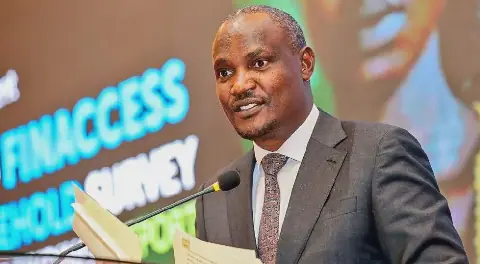
Mauritius' Director of Public Prosecutions, Rashid Ahmine, has expressed concern over the growing number of cases involving minors as both victims and suspects. Speaking at a national celebration of World Children's Day, Mr Ahmine questioned whether Mauritius is doing enough to protect its youth, citing recent riots involving numerous teenagers. He noted that while perpetrators are often adults, children also commit offences against one another.
Mr Ahmine emphasized that prosecuting a minor must remain the exception, and that young suspects should be treated as children first and foremost. He pointed out that under previous practices, minors were treated like adults, frequently arrested and detained for hours or even days. However, the DPP's office now pursues prosecutions against youths only when strictly indispensable, seeking alternatives that prioritize their safety and well-being.
The DPP's office has also expressed concerns about the lack of structures to rehabilitate young offenders. Mr Ahmine noted that case files reaching his office often involve broken families or children whose parents died when they were young. He added that his office only intervenes at the very end of the chain and that there is much to be done on the government's side to address the issue.
To address the issue, the DPP's office has launched awareness videos and educational materials in collaboration with the charity Pedostop, funded by the Australian High Commission's Direct Aid Program. The first video aims to put child victims of sexual abuse at ease ahead of testifying in court, explaining the judicial process and their rights. The second video focuses on domestic violence, highlighting that a child who witnesses violence at home is also a victim.
Australian High Commissioner Kate Chamley emphasized the importance of protecting children from abuse, stating that a child does not need to be the direct target of violence to suffer from it. She highlighted Australia's zero-tolerance policy toward child abuse and stressed that children must be given a simple message: their bodies belong to them, and they can speak to a trusted adult whenever something is wrong.
Other speakers at the event, including Priscilla Li Ying, head of the United Nations Population Fund (UNFPA) office, and Reena Moonoosamy, chair of Pedostop's board of directors, called for age-appropriate education and training to recognize signs of distress. They emphasized that child protection is a long-term responsibility and that a child's right to grow up safely should depend neither on their birthplace nor their parents' income.
The event marked the launch of the awareness videos and educational materials, which aim to raise awareness about existing support structures and judicial procedures. The DPP's office hopes that these initiatives will help to address the growing issue of youth offences and promote a culture of protection and support for children in Mauritius.
Key points
- The DPP's office is pursuing alternative solutions to prosecuting minors, prioritizing their safety and well-being.
- The Australian High Commission has funded joint projects between Pedostop and the DPP's office to produce awareness videos and educational materials.
- Speakers at the event called for age-appropriate education and training to recognize signs of distress and promote child protection.
Reporting sources
- The DPP Warns Criminal Justice Fails as Youth Offences Rise Beyond 2026 · https://newsmoris.com