In Mauritius, the Intermediate Court has delivered its verdicts in 12 cases of curfew violations that occurred during a period of nationwide unrest. The court's president, Adeelah Hamuth, handed down sentences that ranged from four months in prison to unconditional absolution and a fine of Rs 5,000. The cases involved individuals who were intercepted by police while outside during curfew hours in various regions, including Port-Louis, Bambous, Tamarin, Rose-Hill, and Pointe-aux-Sables.
The unrest, which began on October 12, 2026, was marked by widespread riots, hostility towards police, attacks on public property, and looting in several areas. In response, the police commissioner imposed a curfew under the Police Act to restore public order and protect the population and public infrastructure. The initial curfew, which took effect on October 13, 2026, lasted from 8:30 PM to 6:00 AM the following day. It was later extended until October 19, 2026, with adjusted hours, and covered up to 17 regions.
The 12 accused individuals were arrested between October 13 and 17, 2026, for being outside during curfew hours. Their reasons for being out varied, with some claiming they were visiting a sick family member or companion, while others were in areas where riots were taking place or participating in a motorcycle gathering. The court considered each individual's circumstances, including their personal and family responsibilities, previous convictions, and detention periods already served.
In determining the sentences, the court applied the principles established in Aubeeluck v The State of Mauritius and Mosaheb v The State. The court weighed the gravity of the offenses, aggravating and mitigating circumstances, and the proportionality of the sentences to the crimes committed. The court also considered the accused individuals' guilty pleas, expressions of regret, and family and parental responsibilities.
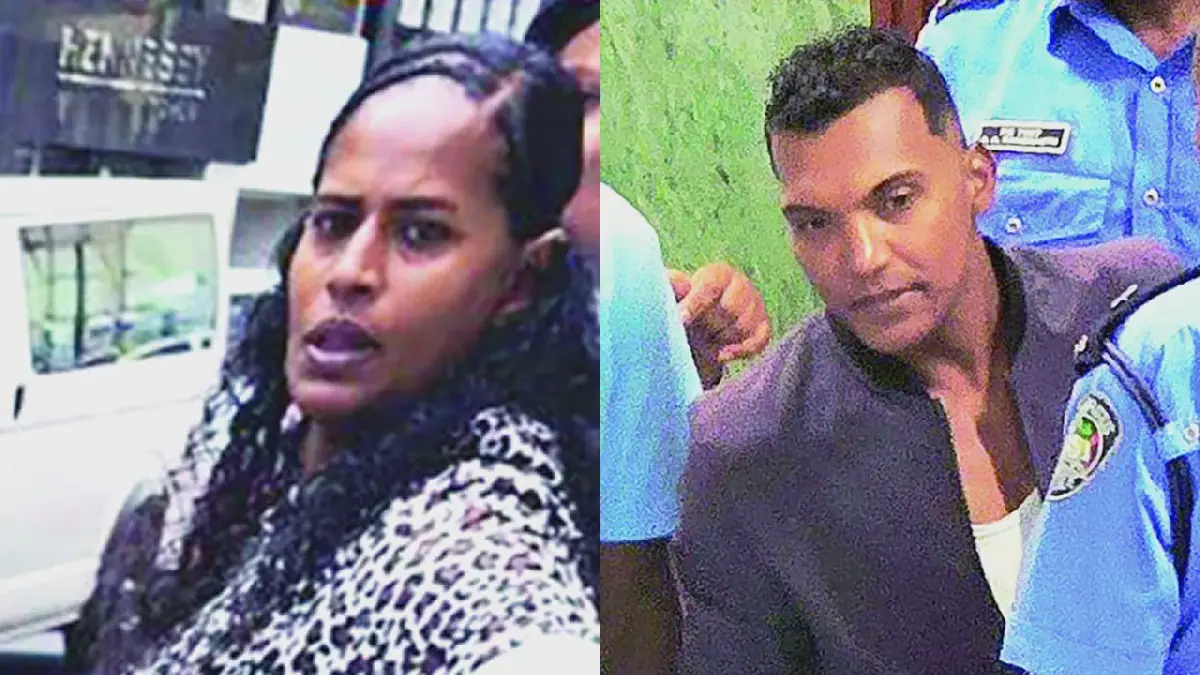
Four of the accused individuals received four-month prison sentences. These included Louis Abraham Casimir, who was arrested while heading to the Cité Vallijee during the chaos; Samuel Touvent, who was intercepted while riding a motorcycle without a license plate; and the couple Mary Joyce Stephane Charlot and Mohammad Zahir Seck-Dioman, who were found with stolen metal from the Metro Express. The court rejected their claims of being out to buy medication for their sick child.
One individual, Anil Kapoor Beekharry, received a fine of Rs 5,000. He was arrested while withdrawing money from an ATM to buy gas, and there was no evidence of riots or public unrest in the area. Seven individuals received unconditional absolution, including Jean Stephane Jordan Batour, who claimed he was visiting his father, and Jean Cle Lafontan, who stated he was heading home.
The court's president, Adeelah Hamuth, emphasized that the sentences must vary according to the degree of gravity of the behavior. She noted that while the curfew was imposed during a national crisis, each individual's responsibility must be assessed on a case-by-case basis. The court aimed to strike a balance between protecting society, respecting public authority, and upholding individual rights.
Key points
- The Mauritius Intermediate Court handed down varied sentences for curfew violations during nationwide unrest.
- The court's sentences ranged from four months in prison to unconditional absolution and a fine of Rs 5,000.
- The court considered each individual's circumstances, including their personal and family responsibilities, previous convictions, and detention periods already served.