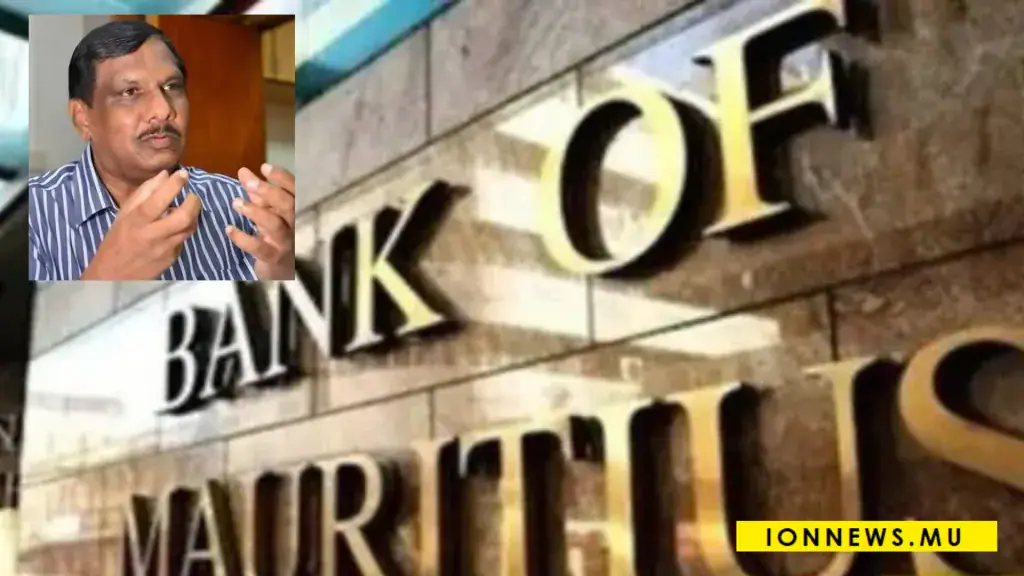
The Bank of Mauritius' decision to raise its key interest rate to 5% from 4.75% has sparked criticism from consumer advocate Suttyhudeo Tengur. The rate hike, decided unanimously by the central bank's monetary policy committee on November 11, has been questioned by Tengur, who argues that it will further burden households already struggling with debt and high living costs. Tengur expressed his concerns on his Facebook page on November 16.
Tengur believes that the rate hike is not suitable for Mauritius' economic situation, which is heavily dependent on imports for essential goods such as fuel, food, and medicine. He cites data from the central bank showing an annual increase of 5.5% in food prices and 17.5% in fuel prices in October 2026. Tengur argues that the rate hike will not effectively address imported inflation and may harm small and medium-sized enterprises that rely on bank financing.
The consumer advocate emphasizes that the central bank's decision should be guided by Mauritius' specific economic realities rather than following international trends. Tengur suggests that the government should implement measures to control prices, promote competition in imports, support local production, and combat excessive distribution costs. He also requests that the central bank explain the expected impact of the rate hike on inflation and its social costs.
Tengur's criticism of the rate hike is based on his concerns about its potential impact on households and small businesses. He argues that the rate hike will increase the financial burden on households, which are already struggling with debt and high living costs. Tengur also believes that the rate hike may hinder the growth of small and medium-sized enterprises, which are crucial for Mauritius' economic development.
The central bank's decision to raise the interest rate was made in response to economic trends, but Tengur argues that this approach may not be suitable for Mauritius. He emphasizes the need for a more balanced approach that takes into account the country's specific economic circumstances. Tengur's comments reflect his concerns about the potential impact of the rate hike on vulnerable segments of the population.
Tengur has expressed his respect for the independence of the Bank of Mauritius but has urged the institution to consider the potential consequences of its decisions. He believes that maintaining the interest rate at 4.75% would have been a more balanced option. Tengur's criticism of the rate hike reflects his commitment to protecting the interests of consumers and promoting economic development in Mauritius.
The debate over the interest rate hike highlights the challenges faced by policymakers in balancing economic growth with inflation control. The central bank's decision has sparked a lively discussion about the best approach to managing Mauritius' economy. Tengur's comments reflect his concerns about the potential impact of the rate hike on households and small businesses, and the need for a more nuanced approach to economic policy.
Key points
- Consumer advocate Suttyhudeo Tengur criticizes the Bank of Mauritius' decision to raise the key interest rate to 5% from 4.75%, citing concerns about its impact on households and small businesses.