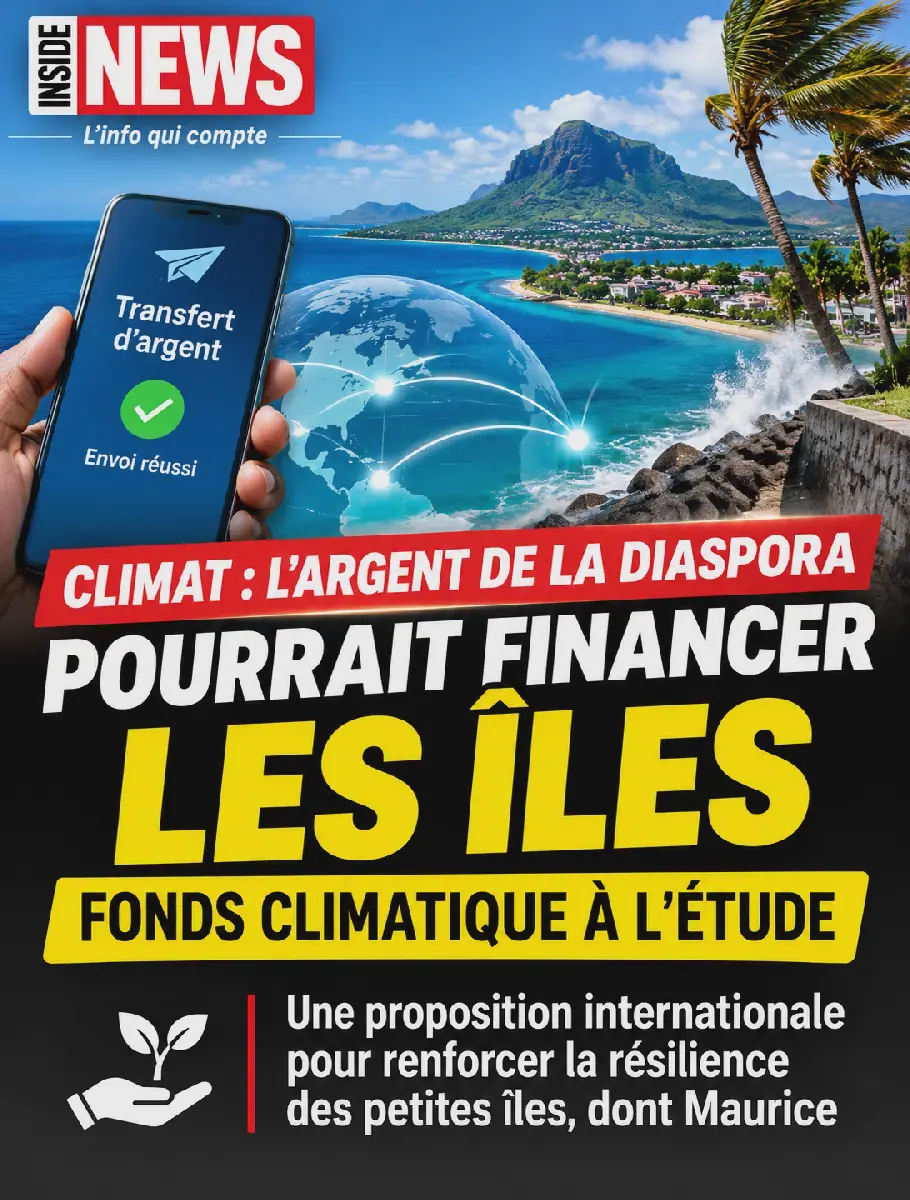
A recent study by the International Institute for Environment and Development (IIED) proposes creating a platform for diaspora money transfers, with a portion of the fees going towards a fund for climate resilience in small island nations. The initiative aims to support adaptation and development in these countries without relying solely on international aid. The IIED report, published in November 2026, suggests that a collectively owned platform could redirect some of the margins currently captured by transfer operators towards a permanent fund.
The proposed mechanism would not involve directly deducting a portion of the received sum from a family's transfer, but rather have the platform's fees and margins contribute to the fund. According to Reuters, a 3% transaction fee is being considered, with part of it going towards building the capital after operational costs. The difference between displayed fees, applied exchange rates, and the actual amount received would remain crucial for families. A service would be considered beneficial if its total cost, speed, security, and remitted amounts are comparable to other options.
Mauritius is among the countries considered for potential inclusion in the third year of the project's rollout, alongside the Comoros and Cape Verde. However, no confirmation of Mauritian participation has been established at this stage. The government of Mauritius has not made any commitments to this initiative, and local analysis is needed to determine the feasibility of the proposal. The Bank of Mauritius publishes statistics on transfers and indicates that the country already meets the international target for average transfer costs.
The project's projections are based on assumptions about transaction volumes, fees, returns, and country participation. The amounts mentioned by the promoters are projections, not already raised funds. Essential questions about the fund's governance, user protection, necessary licenses, and project selection remain unanswered before implementation. For Mauritian families concerned, the practical question will be whether the platform reduces the total cost of sending money while ensuring fund security.
The IIED report suggests that a collectively owned platform could provide a sustainable solution for small island nations to address climate-related risks. The initiative's success would depend on various factors, including the participation of countries, the platform's operational costs, and the effectiveness of the fund's governance. If implemented, the platform could potentially support climate resilience efforts in Mauritius and other small island nations.
The proposed platform's impact on Mauritian families would depend on various factors, including the fees charged, the exchange rates applied, and the security of the funds. According to the Bank of Mauritius, the country's transfer costs are already relatively low. However, the proposed platform could still offer benefits if it provides a secure and efficient way to send money while supporting climate resilience efforts.
The project's proponents emphasize that the initiative is still in the proposal stage, and several questions need to be addressed before implementation. These include the fund's governance, user protection, and project selection. The Mauritian government has not made any commitments to the initiative, and local analysis is needed to determine the feasibility of the proposal.
Key points
- The proposed platform aims to redirect fees from diaspora transfers to a long-term fund for climate resilience in small island nations.
- Mauritius is considered for potential inclusion in the third year of the project's rollout.
- The initiative's success depends on various factors, including country participation, operational costs, and effective governance.