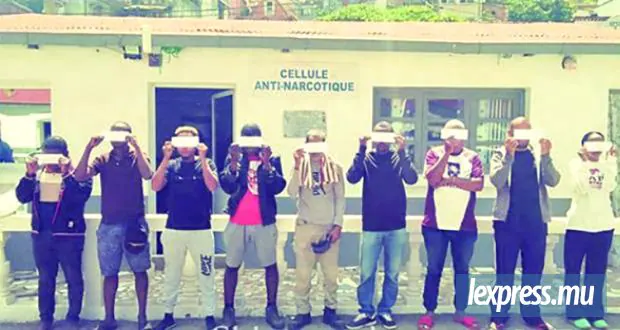
Three Mauritian citizens, Jean Benjamin Albert, Jean Marc Édouard, and Jean-Noël Ferry, have been convicted and sentenced to 15 years in prison by the Malagasy justice system for their involvement in a cocaine trafficking operation. The convictions were handed down on October 1, 2026, and mark a significant development in a case that has been under investigation for nearly two years. The three men were among nine individuals arrested during an anti-drug operation in January 2025, in which 16.45 kg of cocaine was seized.
The case has raised several questions about the scope of the trafficking operation and the individuals involved. According to reports, the three Mauritian citizens have consistently denied their involvement in the trafficking operation, with Jean Benjamin Albert releasing videos in which he implicated other individuals, including Wendip Appaya, as the true masterminds behind the operation. However, these claims did not convince the Malagasy justice system, which found them guilty of their roles in the trafficking operation.
The investigation into the trafficking operation has revealed a complex network of individuals and routes involved in the smuggling of cocaine from Madagascar to Mauritius. The Malagasy authorities have identified a suspected network linking Toamasina, Fort Dauphin, Antananarivo, and Mauritius, although not all the responsibilities have been clearly established. The case has also raised concerns about the fate of a significant portion of the cocaine, with reports suggesting that around 60 kg of cocaine was shipped from Madagascar to Mauritius, but only 16.45 kg was seized by the authorities.
The Financial Crimes Commission (FCC) and the Anti-Drug and Smuggling Unit (ADSU) in Mauritius are expected to take a closer look at the case and explore possible connections to individuals and organizations in Mauritius. The FCC may investigate potential financial flows related to the operation and examine the individuals cited during the investigations. A mission to Madagascar may also be considered if the Mauritian authorities believe that certain testimonies or documents need to be examined on the ground.
One of the convicted individuals, Jean-Noël Ferry, claims to have infiltrated the trafficking network and provided information to the Mauritian authorities. According to reports, Ferry had been in contact with a member of the ADSU before his arrest and had provided them with information, videos, and recordings. However, it is unclear whether Ferry's actions were part of a genuine collaboration with the authorities or a defensive strategy.
The convictions in Madagascar mark a significant step forward in the case, but the Mauritian authorities still have many questions to answer. The FCC and ADSU are expected to continue their investigations and explore possible connections to individuals and organizations in Mauritius. The case highlights the need for greater cooperation between the Mauritian and Malagasy authorities in combating transnational crime.
The Mauritian authorities are likely to closely monitor the developments in this case, particularly in light of the allegations made by the convicted individuals. The case has significant implications for the fight against drug trafficking in the region and underscores the need for continued cooperation and coordination between law enforcement agencies in Mauritius and Madagascar.
Key points
- The convictions of the three Mauritian citizens in Madagascar mark a significant development in a major cocaine trafficking case.
- The case has raised several questions about the scope of the trafficking operation and the individuals involved.
- The Mauritian authorities are expected to continue their investigations and explore possible connections to individuals and organizations in Mauritius.