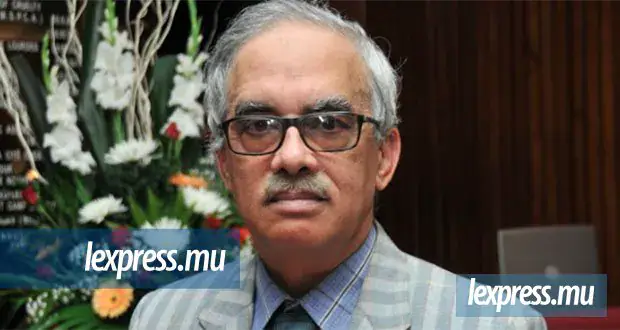
In a recent commentary, Jean Lindsay Dhookit urged Mauritian society to reevaluate its norms and challenge practices that have gone unquestioned for too long. Dhookit's call to action emphasizes the need for citizens to pause and reflect on the realities they tolerate, which often seem overtly outrageous. He argues that certain absurdities have become so ingrained that they are no longer recognized as abnormal. This introspection is crucial for the country's progress.
One of the pressing concerns Dhookit highlighted is the electoral system, which relies on population figures from a 1972 census to allocate parliamentary seats. This outdated data no longer accurately represents the current population, leading to potential disparities in democratic representation. For instance, if a doctor were to treat a patient using medical tests from over 50 years ago, it would be considered unacceptable. Similarly, the allocation of parliamentary seats should be based on current and accurate data.
The widening income gap is another issue that Dhookit believes needs to be addressed. While some individuals earn over a million rupees a month, others struggle to survive on Rs 20,000. This stark contrast raises questions about the fairness of the current system and whether it truly reflects the value of different occupations. Dhookit argues that while talent, responsibility, and expertise deserve reward, excessive inequality is unreasonable.
The underrepresentation of certain communities in public institutions, such as the police force, is also a concern. This lack of representation can lead to mistrust and legitimacy issues, particularly in areas where law enforcement must interact with populations that are not adequately reflected within the police force. Building trust between communities requires more than just uniforms and regulations; it demands representation, understanding, and legitimacy.
The issue of drug trafficking in Mauritius is another pressing concern that Dhookit believes requires attention. Despite being a small island, identifying and dismantling drug trafficking networks appears to be extraordinarily difficult. The complexity of the issue and the seeming inability to apprehend masterminds raise questions about the effectiveness of current strategies.
The education system in Mauritius has also been criticized for being excessively selective and elitist. A small percentage of students ultimately reach Higher School Certificate level, leaving many others behind. This can have lifelong consequences, particularly for those from already disadvantaged backgrounds. The rejection experienced in school often translates to exclusion from employment opportunities.
Finally, Dhookit turned his attention to the issue of water shortages in Mauritius. Year after year, the country endures shortages, and discussions about solutions often revolve around technically sophisticated but ecologically unfriendly options like desalination plants. However, a substantial proportion of treated water is lost through leaks in ageing infrastructure. Repairing old pipes and addressing these inefficiencies may not be glamorous but could be a more logical and environmentally responsible approach.
Key points
- Mauritius must reassess its norms and challenge long-standing issues to progress.
- The country's electoral system, income gap, and education system require attention.
- Addressing underrepresentation, drug trafficking, and water shortages are also crucial for Mauritius' development.