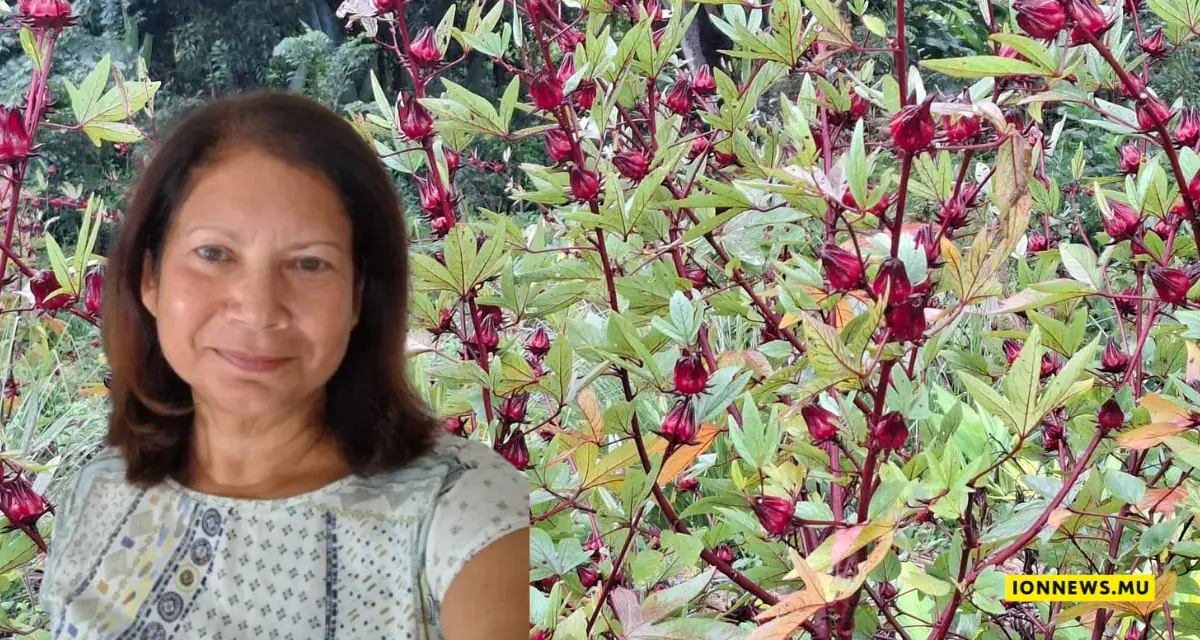
In the picturesque village of Chamarel, Mauritius, Catherine Houbert has embarked on a mission to revolutionize the way food is grown. As the founder of Ti Bout Chamarel, an agroecological garden, she has dedicated herself to cultivating produce in harmony with nature. Houbert's journey into agroecology began about four to five years ago, after a stint in human resources in Mauritius and Dubai. A personal reflection on health and food quality, sparked by a family member's cancer diagnosis, prompted her to make a career change.
Houbert's transition to agroecology was marked by extensive training in permaculture, agriculture biologique, and other sustainable farming practices. Her goal is to offer a range of chemical-free products, free from pesticides, insecticides, and fertilizers. At Ti Bout Chamarel, Houbert has created a diverse garden featuring approximately 350 fruit trees of over 30 varieties and nearly 1,000 perennial plants, including bananas, passion fruits, and pitayas. This variety not only ensures a rich harvest but also contributes to a balanced ecosystem.
Water management is a crucial aspect of Houbert's sustainable farming approach. To conserve water and prevent erosion, she has constructed two swales, or shallow trenches, in her garden. These structures capture and store rainwater, reducing runoff and allowing the soil to absorb moisture. Additionally, Houbert relies heavily on organic materials to nourish the soil, utilizing fallen leaves, wood, and other natural waste. By adopting these eco-friendly practices, she aims to minimize the garden's environmental footprint.
The layout and maintenance of Ti Bout Chamarel reflect Houbert's deep respect for natural cycles. She carefully plans her plantings according to the seasons, favoring those that can benefit from pre-winter rainfall. This strategic approach enables her to optimize water usage and reduce the need for artificial irrigation. By working in harmony with nature, Houbert seeks to create a thriving ecosystem that produces healthy, chemical-free food.
For Houbert, agroecology is more than just a farming method – it is a philosophy that emphasizes living in balance with the natural world. Her vision for Ti Bout Chamarel extends beyond the garden, as she hopes to inspire a wider movement towards sustainable agriculture in Mauritius. By sharing her knowledge and experience, Houbert aims to empower others to adopt eco-friendly farming practices that prioritize soil health, biodiversity, and efficient water use.
The impact of Houbert's work is already being felt in the local community, where interest in sustainable food systems is growing. As consumers become increasingly aware of the importance of healthy eating, demand for chemical-free produce is on the rise. Ti Bout Chamarel is well-positioned to meet this demand, offering a range of fresh, locally grown fruits and vegetables that are both nutritious and environmentally friendly.
As Houbert continues to develop and expand Ti Bout Chamarel, her commitment to agroecology remains unwavering. Her pioneering work serves as a powerful example of the potential for sustainable agriculture to transform the way food is produced and consumed in Mauritius. With its emphasis on eco-friendly practices, biodiversity, and community engagement, Ti Bout Chamarel is poised to play a significant role in shaping the future of sustainable agriculture in the region.
Key points
- Catherine Houbert's Ti Bout Chamarel promotes eco-friendly farming practices in Mauritius.
- The garden features 350 fruit trees and nearly 1,000 perennial plants.
- Houbert's approach prioritizes soil health, biodiversity, and efficient water use.