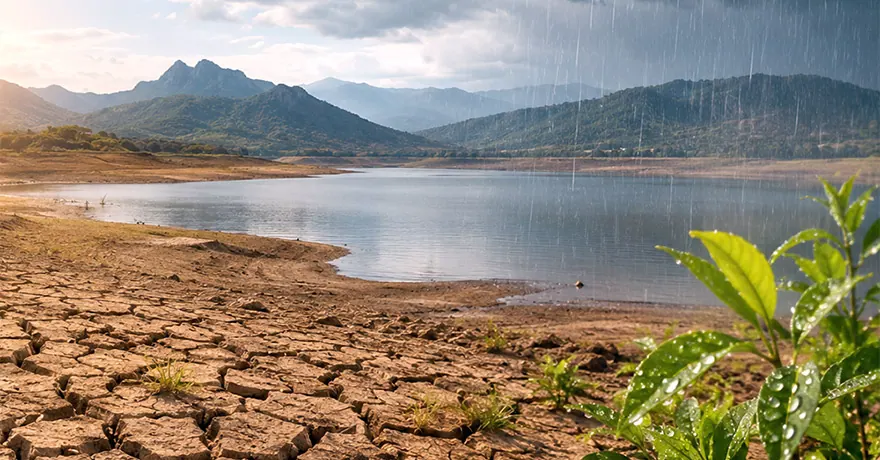
The island nation of Mauritius is preparing for the summer season with a mix of optimism and caution as it faces a prolonged drought. According to the latest forecast, the country is likely to experience above-normal rainfall between October and December 2026. This prospect brings relief to areas that have been severely impacted by the lack of rainfall since December 2025.
The 15th session of the Forum for Climate Prediction for the Southwest Indian Ocean (SWIOCOF-15) was held in the Seychelles from September 15 to 18, 2026. The meeting, organized by the Seychelles Meteorological Authority, the Indian Ocean Commission (IOC), the World Meteorological Organization, and Météo-France, brought together meteorological officials from nine countries in the region. The forum provided a platform for discussing climate trends and predictions for the summer season of 2026-2027.
For Mauritius, the forecast indicates that rainfall is expected to be above normal in the early stages of the summer season. However, experts caution that this does not necessarily mean that water reservoirs will quickly return to their normal levels. The regularity, intensity, and distribution of rainfall will play a crucial role in determining the impact on the country's water reserves.
Another significant concern is the expected rise in temperatures, which are likely to remain above normal from October 2026 to March 2027. There is also a high risk of experiencing exceptionally high temperatures, which could lead to increased water demand, particularly for households and agriculture. This heatwave could further strain the country's water resources, which are already under pressure.
The installation of an El Niño episode in the Pacific, which is expected to remain strong during the rainy season, and the anticipated changes in oceanic dipoles are factors considered in these forecasts. Additionally, the cyclone season, which runs from November 2026 to April 2027, is expected to be less active than usual. However, the risk of a cyclone affecting Madagascar or Mozambique is significantly reduced, while the risk for the Mascarene Islands remains near normal.
Dr. Ibrahim Norbert Richard, Secretary General of the IOC, emphasized the importance of the SWIOCOF in providing a collective platform for preparing for climate trends marked by the effects of climate change. He stressed that these forecasts should guide public and private decision-making, particularly in areas such as water, agriculture, health, and disaster management.
Mauritius faces a dual challenge: hoping for regular rainfall to alleviate water shortages and preparing for a season marked by persistent heat. The country's authorities and residents will need to remain vigilant and take proactive measures to mitigate the impacts of climate change.
Key points
- Above-normal rainfall is expected in Mauritius between October and December 2026.
- Exceptionally high temperatures are likely to occur, straining water resources.
- The cyclone season is expected to be less active than usual, but still poses a risk to the Mascarene Islands.