The recent surge in fuel prices in Mauritius has sparked concerns about its far-reaching consequences on the economy and daily life. With diesel prices now at Rs 78.35, the impact is expected to be felt beyond just the fuel pumps. The increase is likely to affect various sectors, including public transportation, small and medium-sized enterprises (SMEs), and delivery services. As diesel is a crucial component of the economy, its price hike will have a ripple effect on the cost of living.
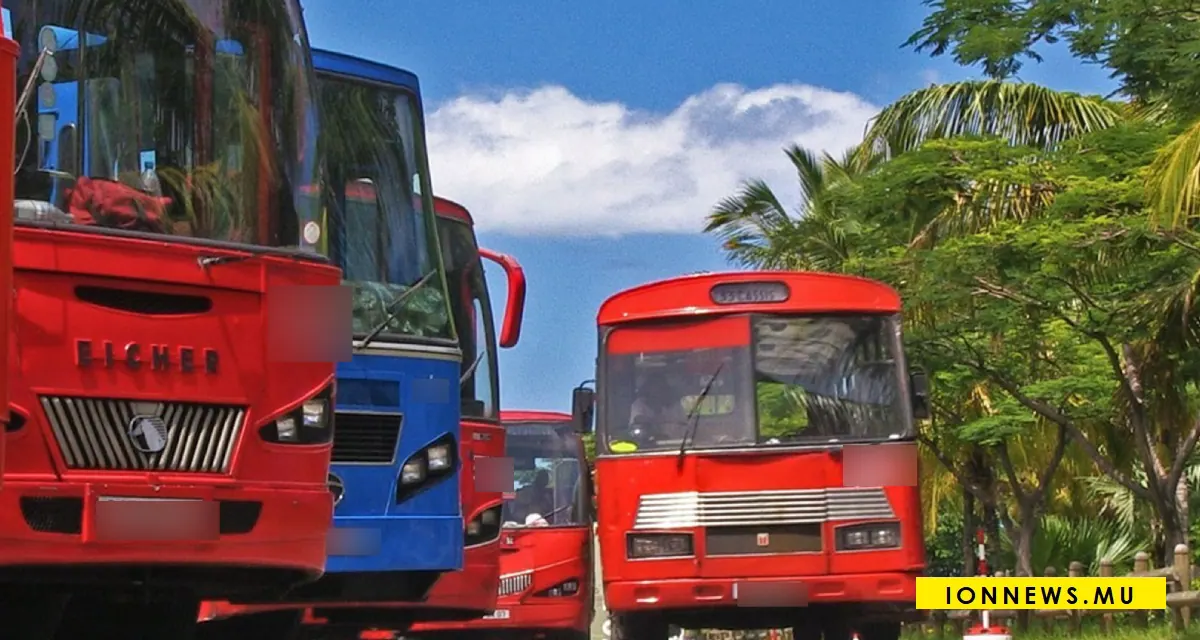
The transport sector is expected to be hit hard, with potential increases in bus fares and taxi rides. This could be a blow to consumers who have not seen an increase in their incomes. Small businesses, particularly those that rely on diesel-powered vehicles, are also bracing for the impact. It is estimated that these businesses may incur an additional Rs 3,000 to Rs 5,000 in fuel costs per month. This comes at a time when many small businesses are already struggling with the reduction in the threshold for VAT registration from Rs 6 million to Rs 3 million, which will affect thousands of enterprises.
The impact of the fuel price hike will not be limited to the transport sector alone. The distribution of essential goods, such as medicines, and construction materials will also be affected. This could lead to an increase in the cost of building and construction, ultimately affecting homeowners. Additionally, operators of school vans, who rely heavily on diesel, may seek to adjust their fares, adding to the financial burden of families with school-going children.
The Mauritian government's own argument highlights the interconnectedness of the economy. In defending the maintenance of taxes, the Minister of Commerce, Michael Sik Yuen, noted that removing the Rs 7.20 per liter contribution would cause the price of rice to rise from Rs 56 to Rs 150 and gas from Rs 250 to Rs 600. This statement underscores the direct link between fuel prices and the cost of essential goods.
One concern for consumers is that price hikes tend to be swift, while reductions are often slow to materialize. When fuel prices increase, transporters and traders quickly adjust their rates; however, when prices drop, these rates rarely decrease at the same pace. As a result, a surge in diesel prices can leave a lasting impact on prices, long after the initial cause has subsided.
While no official announcements have been made regarding price increases for bus fares or consumer goods, households are anxiously waiting to see how the situation unfolds. The key question is not just about the cost of fuel but how far the effects will be felt in their budgets. With many sectors potentially affected, the Mauritian economy is bracing for a challenging period.
As the situation continues to unfold, it remains to be seen how the government and businesses will respond to the challenges posed by the fuel price hike. One thing is certain, however: the impact will be far-reaching, and households will be watching closely to see how the situation develops. The government will need to balance the needs of various stakeholders to mitigate the effects of the fuel price hike.
Key points
- The fuel price hike in Mauritius is expected to have a ripple effect on the economy, impacting public transport, small businesses, and deliveries.
- The transport sector, particularly public transportation and small businesses, will be hit hard by the fuel price increase.
- The impact of the fuel price hike will be felt beyond the transport sector, affecting the distribution of essential goods and construction materials.