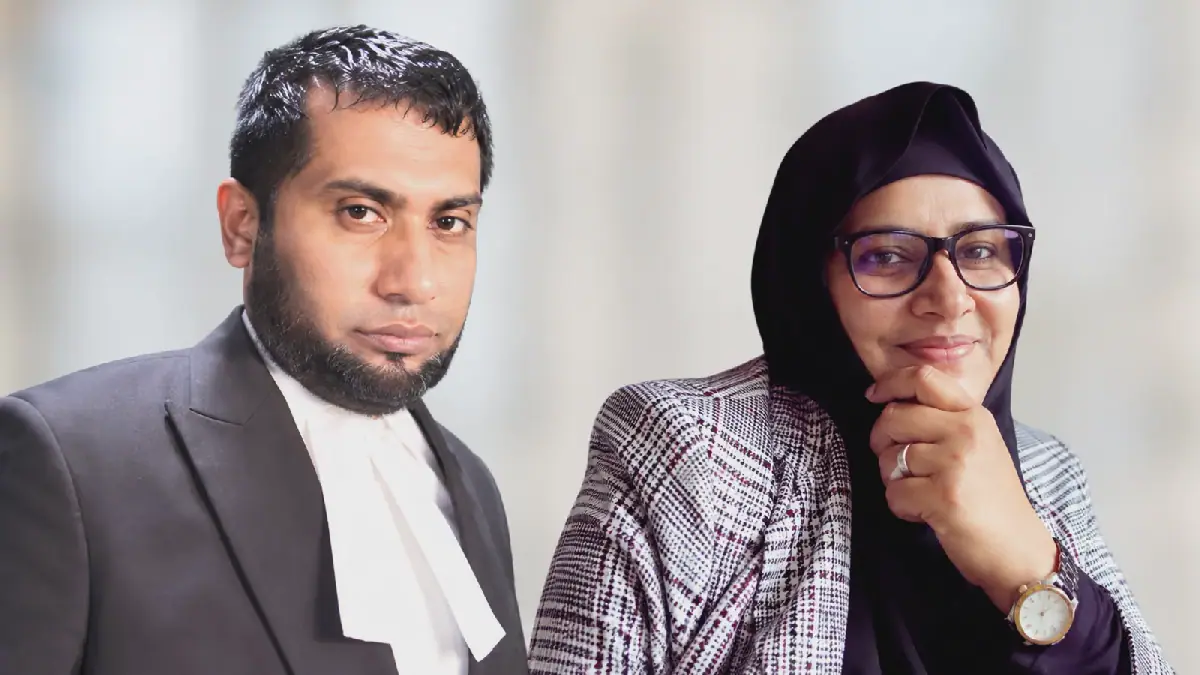
Mauritius is set to see significant changes to its electoral system if 50 proposed reforms by Mohammed Hosenbux and Khadijah Hosenbux are adopted. The two experts, with backgrounds in law and research, submitted their proposals to the Constitutional Review Commission on October 29, 2026. Their suggestions aim to consolidate electoral rules into a single law, enhancing transparency and participation. The proposed "Elections Bill" seeks to replace the existing Representation of the People Act and reorganize the Electoral Supervisory Commission (ESC).
The proposed reforms focus on several key areas, including the administration of elections, financial transparency of political parties, and expanded participation. Mohammed Hosenbux, a director and lecturer in law, and Khadijah Hosenbux, a legal consultant and lecturer, bring extensive expertise to their proposals. Their project involves reorganizing the ESC into eight divisions, covering areas such as electoral registration, boundary delimitation, and political financing. This reorganization aims to streamline electoral processes and improve oversight.
One of the critical aspects of the proposed reforms is the expansion of electoral registration and voting rights. The experts suggest allowing Mauritians living abroad to vote, either by postal vote or through Mauritian missions. They also propose enabling detained individuals to register and vote, with designated voting areas in prisons. Additionally, the reforms aim to clarify rules for citizens who leave the country or are emigrating, ensuring that leaving Mauritius does not automatically disqualify someone from voting.
The proposals also address the delimitation of electoral constituencies, suggesting that this process be based on demographic references with specific tolerance limits. To prevent gerrymandering, the reforms propose that constituency boundaries should not favor any particular party or candidate. Furthermore, the experts recommend that political parties and candidates be subject to stricter obligations, including the registration of party leaders and the publication of candidates' asset declarations.
A significant portion of the proposed reforms focuses on political financing, with 22 specific measures aimed at regulating campaign funds. These include defining donations, identifying their origin, and controlling expenditures. The experts propose a ceiling of Rs 1 million per donor and the publication of lists of donors. They also suggest banning foreign donations and restricting donations from certain public contractors and license holders.
The proposed reforms also aim to enhance the transparency and accountability of political parties and candidates. This includes requiring parties to have a minimum structure, with roles such as a leader, president, secretary, treasurer, and candidate nomination officer. Candidates would be required to sign a code of conduct, with provisions for investigations, warnings, and appeals. These measures are designed to promote integrity and fairness in the electoral process.
The comprehensive set of reforms proposed by Mohammed and Khadijah Hosenbux represents a detailed effort to enhance Mauritius' electoral system. By consolidating electoral rules, expanding voting rights, and increasing transparency and accountability, these proposals aim to strengthen democracy in Mauritius. The Constitutional Review Commission will now consider these suggestions as part of its broader review of the country's electoral framework.
Key points
- The proposed reforms include stricter rules for political financing, expanded voting rights for Mauritians abroad, and enhanced transparency for political parties and candidates.