A 2014 report by the National Economic and Social Council (NESC) on water management in Mauritius has resurfaced amid the current water crisis. The report, submitted to the government in 2014, criticized the Central Water Authority (CWA) for massive leaks in its network and excessive water consumption. Despite its recommendations, the report was ignored, and the situation has since worsened. The report's findings and recommendations are being revisited as the country faces severe water shortages.
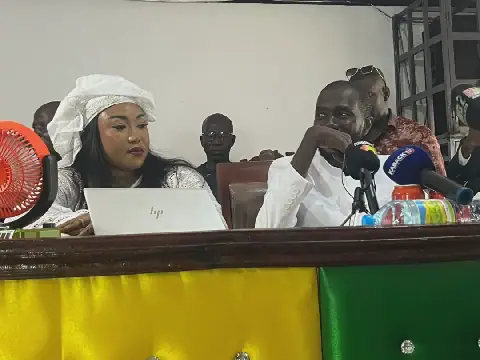
The NESC was established in 2002 to bring together employers, unions, and civil society to discuss socio-economic issues and submit recommendations to the government. In 2013, the council was asked to investigate why households do not have access to 24/7 water despite abundant rainfall. After consultations with various stakeholders, the report "Management of Water Resources" was submitted to the government in 2014. However, the report's recommendations were not implemented, and its president, Radhakrishna Sadien, expressed disappointment that the institution's work was ignored.
The 2014 report highlighted that the CWA had identified the causes of unaccounted water and aimed to reduce it to 25% by 2008. However, the plan was not implemented, and the rate of unaccounted water increased from 47% in the early 2000s to 55% between 2010 and 2013. The report also noted that only 415 km of the 1,570 km of defective pipes were repaired between 2004 and 2012. The CWA's Corporate Plan 2004-2008 had allocated Rs 2 billion to address the issue, but the plan was not fully implemented.
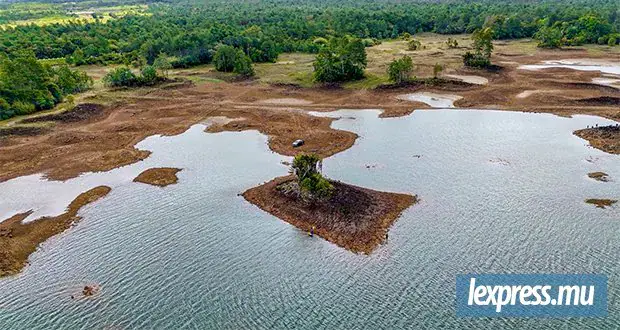
The water crisis in Mauritius has led to protests and clashes with police. In October 2026, residents gathered in various towns, including Camp-Levieux, L'Hermitage, and Saint-Paul, to express their frustration with the water shortages. The crisis is attributed to a combination of factors, including a severe drought and poor water management. The NESC's 2014 report had warned that the problem of water scarcity in Mauritius was more related to management than a lack of rainfall.
The CWA has recorded a deficit of Rs 755 million for the 2024-2025 financial year and a liability of Rs 11.2 billion. The water tariffs have not been revised since 2012, according to the Minister of Energy and Public Utilities, Patrick Assirvaden. The NESC's report had estimated that Rs 10 billion was needed to replace defective pipes in 2014, but only Rs 1 billion was allocated for the 2014-2015 period.
The NESC's report highlighted that over half of the water produced by the CWA is not accounted for, with approximately 200 million liters of water lost daily due to leaks in aging pipes. The report estimated that these leaks cost the CWA around Rs 875 million annually. The council also criticized the CWA's investment choices, including the construction of the Bagatelle dam, which was expected to cost Rs 3.4 billion but ultimately cost Rs 1.7 billion more.
The resurfacing of the 2014 report has sparked renewed calls for action to address the water crisis in Mauritius. The report's recommendations, including replacing defective pipes and addressing leaks, are seen as crucial to resolving the crisis. The government and the CWA are under pressure to implement the report's recommendations and provide relief to households affected by the water shortages.
Key points
- The 2014 report by the National Economic and Social Council highlighted massive leaks and excessive water consumption in Mauritius, which have worsened over time.
- The Central Water Authority's failure to implement the report's recommendations has contributed to the current water crisis in Mauritius.
- The government and the CWA need to address the water crisis by implementing the report's recommendations, including replacing defective pipes and addressing leaks.