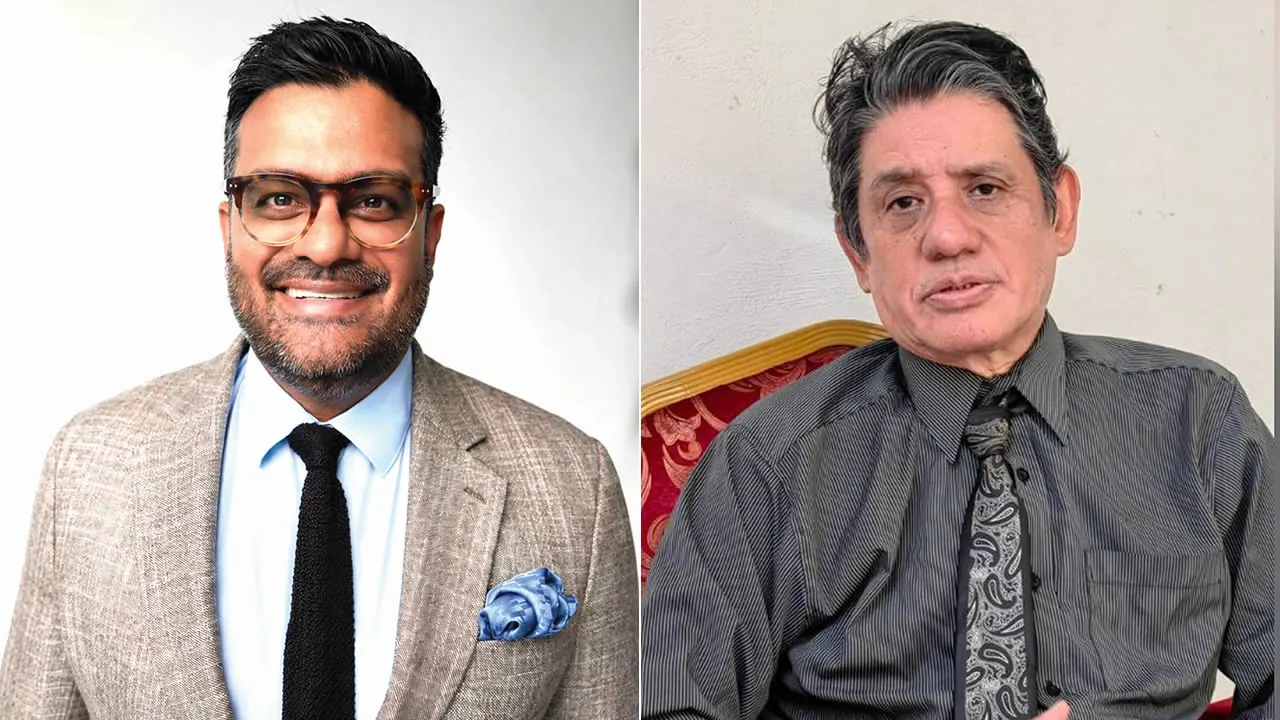
A heated debate has erupted in Mauritius over the ongoing water crisis, with politicians weighing in on the government's handling of the situation. Deputy Kushal Lobine recently expressed frustration over the Central Water Authority's management of the crisis, prompting a response from Patrick Assirvaden. According to Dr. Avinaash Munohur, a politologist, Lobine has the right to relay the concerns of his constituents and demand answers from the authorities.
Dr. Munohur emphasized that as a deputy, Lobine's role is not only to amplify the tension but also to contribute to finding solutions and ensuring constructive dialogue. He noted that Lobine's actions may be motivated by a desire to differentiate himself from the government, particularly the Labour Party. As a member of the New Democrats, a minority party in the government, Lobine may be seeking to create distance between himself and the Labour Party.
Historian and political observer Jocelyn Chan Low defended Lobine's actions, stating that as a local deputy, it is his duty to be among the people and address their concerns. Chan Low expressed concern that the government's inaction and lack of vision have exacerbated the crisis. He criticized the authorities for waiting until the last minute to address the issue, rather than taking proactive measures to mitigate the effects of the drought.
Chan Low warned that the situation could lead to social unrest, as the population becomes increasingly frustrated with the government's handling of the crisis. He noted that the water crisis is not an isolated issue, but rather a symptom of a broader discontent with the government's performance on various fronts, including the economy and the cost of living.
According to Chan Low, Lobine has consistently taken a critical stance on government policies, including pension reform and fuel prices. He described Lobine as a backbencher who is critical of the government's actions, but not motivated by a desire for ministerial responsibility. Chan Low emphasized that it is essential for deputies to express the concerns of their constituents and the public.
Dr. Munohur and Chan Low both stressed the importance of constructive criticism in a democratic system. They argued that deputies should not be seen as mere yes-men, but rather as representatives of the people who can hold the government accountable. Dr. Munohur suggested that the Junior Minister, Mohammad Fawzi Allymun, could play a role in mediating the situation and finding solutions.
The water crisis in Mauritius has led to widespread frustration and disruptions, with many residents experiencing drastic water cuts. The government's handling of the situation has been criticized, with many calling for more concrete actions to address the issue. As the situation continues to unfold, politicians and citizens alike are urging the authorities to take swift and effective measures to mitigate the effects of the crisis.
Key points
- Deputy Kushal Lobine has the right to criticize the government's handling of the water crisis and demand answers from the authorities.
- The government's inaction and lack of vision have exacerbated the water crisis in Mauritius.
- The water crisis has the potential to lead to social unrest and widespread discontent with the government's performance.