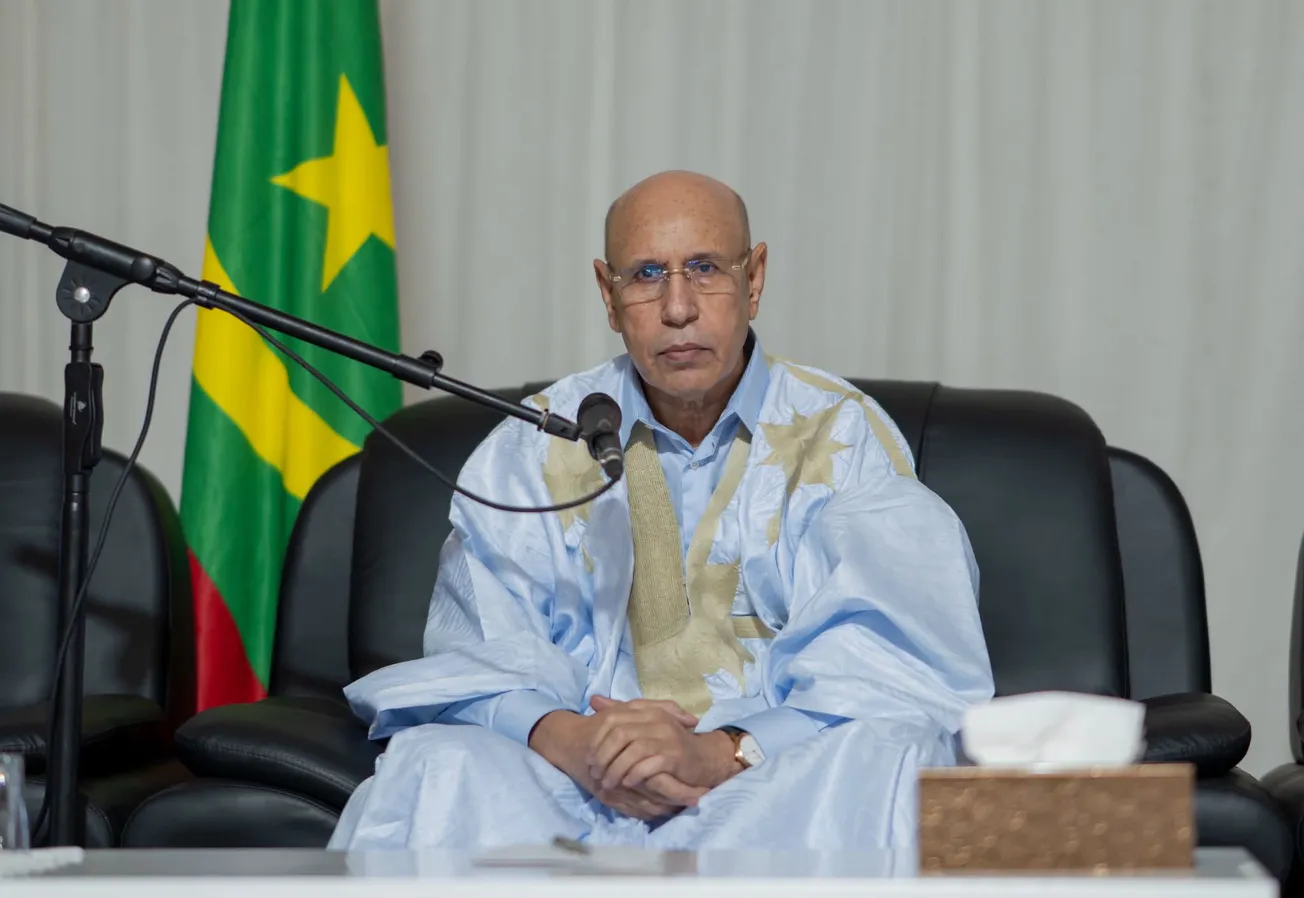
Mauritanian President recently concluded a tour of the Adrar and Inchiri regions, where he outlined a vision for the country's development. The tour, which included stops in Atar, Ouadane, Aoujeft, Chinguetti, and Akjoujt, was not just a series of inspection visits, but a coherent political trajectory. The President emphasized the need to move beyond basic services and focus on economic development, job creation, and institutional reform. He highlighted the importance of a strong and effective state in delivering tangible development to citizens.
In Atar, the President announced a significant investment in infrastructure, including 206 projects under the program of access to basic services. He also emphasized the need for institutional reform, calling for a national dialogue to strengthen the contract between citizens and the state. The President stressed that this dialogue would focus on evolving institutions, promoting citizenship, justice, and equity, without redrawing the nation's foundations or identity. This initiative aims to address the current limitations of the institutional system and ensure it can respond to the needs of citizens.
The President's message shifted to economic development in Ouadane, where he called on the private sector to invest in tourism and local activities. He emphasized the need to create a real economy that can retain inhabitants and provide opportunities for young people. The President also announced plans to include the Ouadane road in the 2027 budget and to find a sustainable solution to the region's water problems. This focus on economic development is crucial for the region's growth and highlights the government's commitment to improving living standards.
In Aoujeft, the President announced the creation of a national agency to develop the oasis sector, as well as the restructuring of the Tamour Mauritanie company. These initiatives aim to promote economic development and create jobs in the region. The President's focus on the oasis sector is strategic, as it has the potential to drive growth and improve living standards for local communities. The creation of the national agency and the restructuring of the Tamour Mauritanie company are expected to have a positive impact on the region's economy.
The President's tour also highlighted the importance of education and training. In Chinguetti, he called on families, elites, and society as a whole to prioritize education as a national priority. The President emphasized that the country's future, like the city's past, would be built on knowledge. This emphasis on education is crucial for Mauritania's development, as it will provide the skills and expertise needed to drive economic growth and improve living standards.
In Akjoujt, the President focused on the mining sector, calling for its development and increased economic and social profitability. He emphasized that natural resources must be harnessed to generate jobs, institutions, and investments that benefit the country. The President's message was clear: the value of natural resources lies not in their extraction, but in their ability to drive sustainable development and improve living standards. This approach is essential for ensuring that Mauritania's natural resources are used effectively to drive economic growth.
The President's tour can be seen as a three-pronged approach to development: institutional reform, territorial development, and productive economy. The success of these initiatives will depend on the government's ability to translate words into measurable actions. The President's call to action will be tested in the coming months and years, as the government works to deliver tangible results and improve living standards for Mauritanian citizens. The focus on institutional reform, economic development, and education will be crucial in driving sustainable growth and improving the country's prospects.
Key points
- President's tour emphasizes need for economic development, institutional reform, and education
- Initiatives announced during the tour include creation of national agency to develop oasis sector and investment in infrastructure
- Success of initiatives will depend on government's ability to translate words into measurable actions