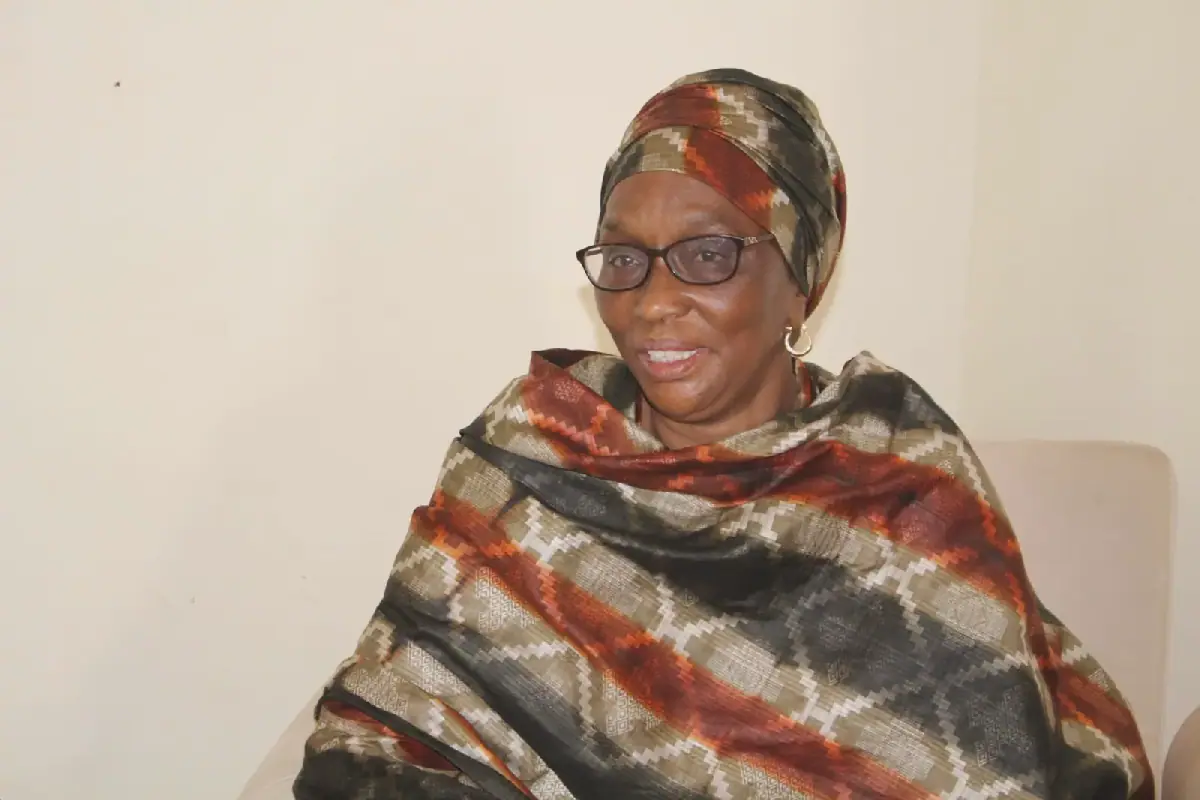
Mauritanian parliamentarian Kadita Malik Jallow has emphasized the need for national reconciliation and fair handling of the country's human legacy to restore national unity. In a Facebook post commemorating the 1990-1991 events, Jallow stressed that serious efforts to restore national unity require comprehensive reconciliation among all Mauritanians. This involves addressing the human legacy file fairly and justly, while respecting the rights of victims.
Jallow's statement comes as Mauritania marks the anniversary of the 1990-1991 events, which saw the killing of numerous black Mauritanian soldiers. The parliamentarian criticized those who defend what she described as the perpetrators and killers of that period, accusing them of attempting to distort facts and obscure responsibilities. She considers them "traitors to the nation".
The events in question refer to the execution of black Mauritanian soldiers in 1990, on the eve of Mauritania's independence anniversary. On November 28, 1990, a group of soldiers were hanged, and 28 others were killed in a tragic incident that has become a painful memory for many Mauritanians. Jallow questioned whether those who committed such atrocities or those who dare to remind people of this painful event are more deserving of condemnation.
Jallow also criticized those who defend the perpetrators, stating that their insistence on justifying the unjustifiable makes them more worthy of condemnation than those they seek to protect. She addressed these defenders, stating that time and forgetfulness will never erase this pain. The parliamentarian cited the case of Maurice Papon, who was convicted of complicity in crimes against humanity committed during World War II, nearly 50 years after the fact.
Jallow's comments have sparked a reaction on social media, particularly on TikTok, where a young Mauritanian influencer, Koda Sal, was recently arrested by cybercrime police for a video discussing the 1990 Inal events. Inal is a military base where numerous black Mauritanian soldiers were killed on November 28, 1990.
The Mauritanian government has not officially responded to Jallow's statement. However, her comments reflect a broader debate in Mauritania about the country's troubled past and the need for national reconciliation. Many Mauritanians continue to seek justice and recognition for the victims of past human rights abuses.
Jallow's call for national reconciliation and fair handling of the human legacy file is a significant development in Mauritania's ongoing efforts to confront its past. Her statement highlights the need for the country to address its complex history and work towards healing and unity.
Key points
- Kadita Malik Jallow calls for national reconciliation and fair handling of Mauritania's human legacy.