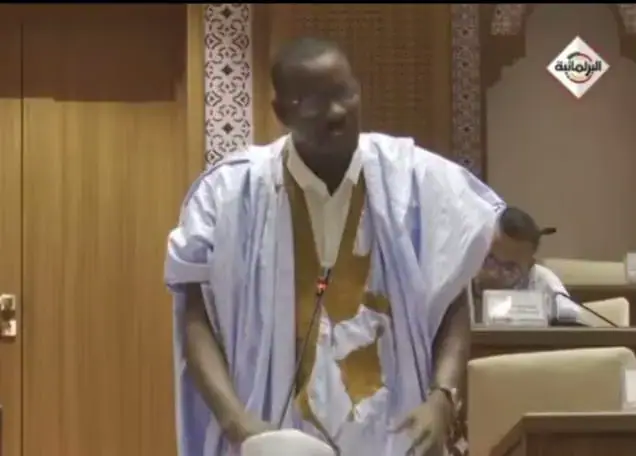
In a recent parliamentary session in Nouakchott, Mauritania, lawmakers discussed a project aimed at enhancing resilience and collective development in the Senegal River basin. The project, which involves a loan agreement, seeks to support the country's efforts to build resilience and promote sustainable development. The session was marked by debates and concerns about the project's implementation and its potential impact on the country's economy.
Yahya Abubakar, leader of the parliamentary group of the National Rally for Reform and Development (Tawassul), expressed concerns about the project, citing the need to reduce prices, increase wages, and support vulnerable populations. He emphasized that enhancing resilience requires concrete measures to address the economic challenges faced by Mauritanian citizens. Abubakar also stressed that the project should not be limited to specific regions, but rather should benefit the entire population.
Abubakar's concerns were echoed by other lawmakers, who questioned the project's potential impact on the country's debt and its ability to deliver tangible results. The parliamentary session highlighted the complexities and challenges associated with implementing large-scale development projects in Mauritania. The country's lawmakers are keen to ensure that such projects align with the needs and priorities of the population.
The project in question aims to support the resilience and collective development of communities in the Senegal River basin. The loan agreement, which was signed to finance the project, is expected to provide critical resources for implementing initiatives that promote sustainable development and enhance the well-being of local populations. However, concerns about the project's implementation and its potential impact on the country's economy persist.
Abubakar reiterated his opposition to the project, citing concerns about the country's debt and the potential for the project to benefit only a select few. He emphasized that the project should prioritize the needs of the most vulnerable populations and address the root causes of poverty and inequality. The parliamentary session provided a platform for lawmakers to engage in constructive debate and express their concerns about the project's potential impact.
The Mauritanian government has emphasized the importance of building resilience and promoting sustainable development in the face of economic challenges. The project aims to support these efforts by providing critical resources and expertise to enhance the country's resilience and promote collective development. However, lawmakers remain cautious, seeking assurances that the project will deliver tangible benefits to the population.
The parliamentary session concluded with a vote on the project, which will determine its fate. The outcome remains uncertain, as lawmakers continue to weigh the potential benefits and risks associated with the project. The debate highlights the complexities and challenges associated with implementing large-scale development projects in Mauritania, and the need for careful consideration and oversight.
Key points
- The project aims to support resilience and collective development in the Senegal River basin.
- Lawmakers have expressed concerns about the project's implementation and its potential impact on the country's economy.
- The project's fate will be determined by a parliamentary vote.