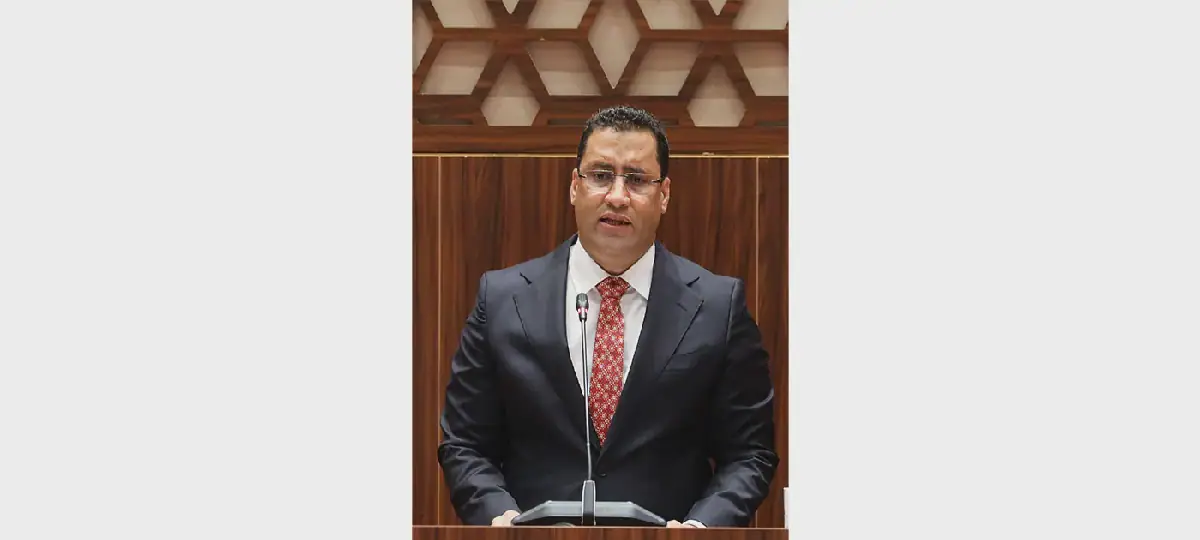
On November 7, 2026, Mauritania's Prime Minister Mokhtar Ould Djay presented the government's policy declaration to the National Assembly. The declaration outlines several key initiatives aimed at addressing pressing concerns of Mauritanian citizens. These include measures to improve purchasing power, promote regional development, and reform the administration. The Prime Minister's address was closely followed by citizens and stakeholders, who are eager to see tangible results from the government's plans.
One of the key aspects of the policy declaration is the government's focus on improving purchasing power. The Prime Minister announced measures to revise the mechanism for fixing hydrocarbon prices, expand price controls, and reduce water and electricity bills for low-income households. These initiatives aim to alleviate the burden of high living costs on Mauritanian families. However, it remains to be seen whether these measures will have a lasting impact on the country's economic challenges.
The policy declaration also emphasizes the need to promote regional development. The government has acknowledged the significant disparities between Nouakchott and other regions of the country. To address this issue, the Prime Minister stressed the importance of tailoring development projects to the specific needs and resources of each region. This approach aims to stimulate economic activity, create jobs, and provide essential services to underserved communities.
Another key aspect of the policy declaration is the government's commitment to developing a national vision for 2060. This initiative aims to provide a long-term framework for the country's development, beyond the current government's term in office. The vision is expected to be a collective project, involving various stakeholders, including political parties, experts, universities, and civil society organizations.
The Prime Minister's address also touched on the need for administrative reform and the fight against corruption. The government has pledged to base administrative appointments on merit, competence, and experience. This move aims to improve the efficiency and effectiveness of the administration, which is essential for delivering public services and implementing development projects.
To ensure the success of these initiatives, the government will need to work closely with various stakeholders, including local communities, elected officials, and the private sector. The Prime Minister's emphasis on citizen participation and inclusivity is a positive step towards building trust and fostering a sense of ownership among Mauritanian citizens.
As the government begins to implement its policy declaration, citizens and stakeholders will be watching closely for tangible results. The success of these initiatives will depend on the government's ability to translate its commitments into concrete actions and to engage with the public in a transparent and accountable manner.
Key points
- The Mauritanian government has unveiled a policy declaration aimed at addressing pressing concerns, including high living costs, regional disparities, and administrative inefficiencies.
- The declaration outlines several key initiatives, including measures to improve purchasing power, promote regional development, and reform the administration.
- The government's commitment to developing a national vision for 2060 is seen as a positive step towards providing a long-term framework for the country's development.