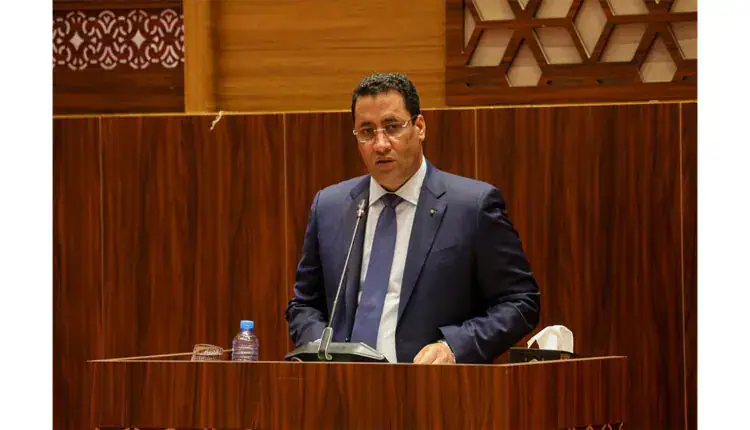
The Mauritanian government has unveiled a package of measures aimed at mitigating the impact of inflation and the international crisis on citizens' purchasing power. Prime Minister Moukhtar Ould Aje announced the plans during a presentation of the government's general policy before the National Assembly. The measures include potential increases in wages and pensions for retirees, as well as continued price controls on essential goods.
President Mohamed Ould Cheikh El Ghazouani has instructed the government to prepare for the ongoing effects of the international crisis until mid-2027. The government's plan is based on two main axes: reducing the rise in prices of essential goods and supporting the purchasing power of lower-income groups. The prime minister stated that the government will continue to control prices of wheat, rice, sugar, and oil.
The government's plan also involves adding meat to the list of products subject to price controls. Furthermore, the authorities intend to intensify efforts to combat monopolies and speculation. These measures aim to protect the purchasing power of citizens, particularly those with limited incomes. The government also plans to negotiate with social partners to raise wages for workers under collective agreements.
To alleviate the effects of inflation on public finances, the government is considering compensating employees and retirees through possible increases or temporary financial assistance. Additionally, the authorities plan to temporarily cover part of the water and electricity bills for low-income families. The government also aims to expand the base of beneficiaries from support directed to people with disabilities and chronic illnesses.
Prime Minister Ould Aje emphasized that the government's goal is to protect the purchasing power of citizens and maintain social stability. The measures announced are part of a broader strategy to address the challenges posed by the international crisis. The government remains committed to monitoring the situation and taking necessary actions to mitigate its impact.
According to the prime minister, the government's plan will be implemented in a way that ensures the participation of all stakeholders, including social partners and civil society organizations. The authorities are committed to transparency and accountability in the implementation of these measures. The government will also continue to engage with international partners to secure support for its efforts to combat inflation.
The Mauritanian government's measures to combat inflation and support citizens' purchasing power have been welcomed by various stakeholders. The implementation of these measures will be closely monitored, and their impact will be assessed regularly. The government's efforts aim to ensure that the most vulnerable segments of the population are protected from the effects of the international crisis.
Key points
- The Mauritanian government plans to increase wages and pensions to mitigate the effects of inflation.