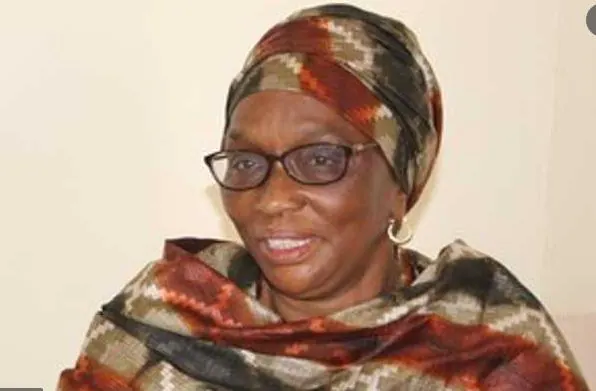
Mauritanian deputy Kadiata Malick Diallo, from the FRUD party, recently shared her insights on current national issues. She addressed the growing calls for a third term for President Mohamed Cheikh El Ghazouani, emphasizing that such initiatives are not spontaneous but rather driven by specific political interests. According to Diallo, these calls are led by individuals known for their opportunism, similar to past attempts during the second term of former President Mohamed Ould Abdel Aziz.
Diallo recalled a previous incident where a communiqué from the Presidency, published during President Ghazouani's visit to the United Arab Emirates, abruptly halted similar calls for a third term under President Aziz. This move raised questions about the actual decision-making centers in the country. Diallo expressed surprise that despite the constitutional limit on presidential mandates, members of the ruling party continue to explore the possibility of a third term for President Ghazouani, indicating their loyalty is to the current leadership rather than the nation's interests.
The deputy also commented on President Ghazouani's recent speech in Atar, which she found vague regarding the issue of presidential term limits. She suggested that the President could have been more explicit in reaffirming his commitment to the constitutional limit on mandates, especially given his past experience with attempts to secure a third term for his predecessor. Diallo emphasized the importance of clear communication on this matter to alleviate concerns among the opposition.
Regarding the opposition's strategy in upcoming dialogues, Diallo expressed optimism about their ability to present a united front. Despite the formation of multiple coalitions, she believes this diversity can strengthen the opposition's position, as it reflects a range of perspectives within the political landscape. Diallo highlighted the opposition's history of uniting on key issues, even when they have differing views on certain matters.
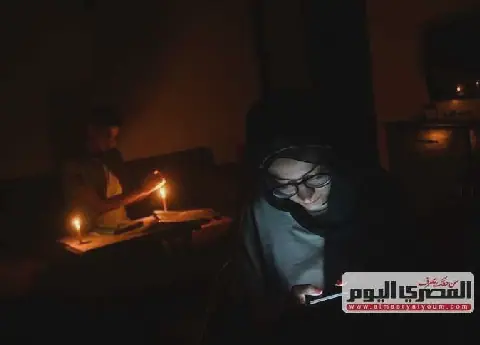
The deputy also addressed the recent electricity crisis in Nouakchott, which led to the establishment of an investigative commission. She stressed that the commission's primary goal should be to uncover the facts behind the crisis, identify those responsible, and recommend measures to prevent future occurrences. Diallo expressed hope that the government would take concrete actions based on the commission's findings, rather than shelving the report.
On the topic of education, Diallo discussed the five-year implementation of the public school system and the experimentation with teaching in national languages such as Pulaar, Soninké, and Wolof. While she believes it's too early for a definitive assessment, Diallo suggested that a mid-term evaluation could provide valuable insights. She noted that the process has had mixed reviews, with some viewing it as revolutionary and others as flawed.
Diallo concluded by emphasizing the need for a well-functioning public education system that offers equal opportunities for all Mauritanian children. She warned against compromising on the quality of education, stressing that the focus should be on creating a robust and effective education system rather than simply expanding access. The deputy remains hopeful that with careful planning and implementation, Mauritania can achieve significant improvements in its education sector.
Key points
- Deputy Kadiata Malick Diallo criticizes President Ghazouani's vague stance on third term calls and emphasizes the need for clear communication on constitutional term limits.
- Diallo expresses optimism about the opposition's ability to present a united front in upcoming dialogues despite forming multiple coalitions.
- The deputy stresses the importance of addressing the root causes of the recent electricity crisis and implementing measures to prevent future occurrences.