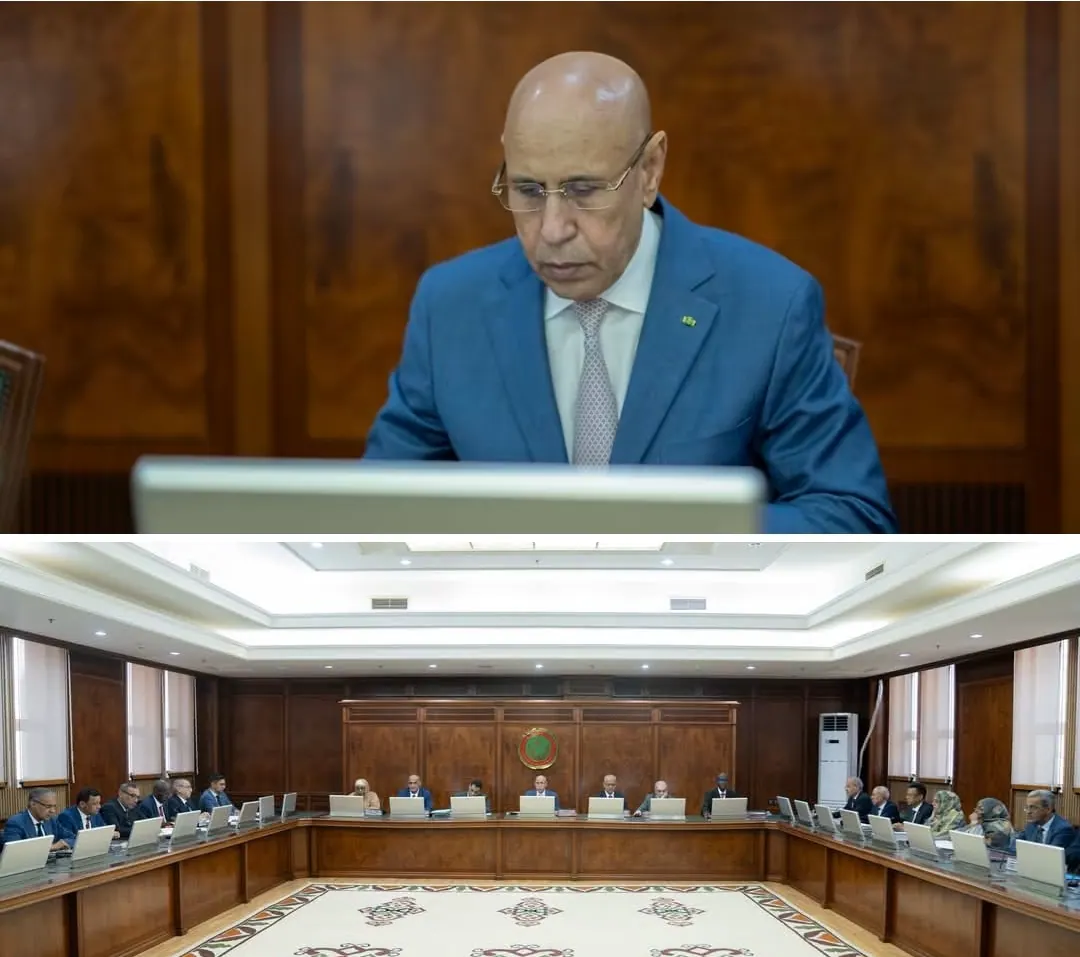
On October 7, 2026, Mauritania's cabinet meeting, presided over by President Mohamed Ould Cheikh El Ghazouani, resulted in the approval of several significant draft decrees. These decrees focus on regulating pharmaceutical inspections, establishing penalties for violations of pharmacy laws, and temporarily allocating land for investment. The meeting also included presentations on the start of the 2026-2027 academic year and updates on the national and international situation.
One of the key decisions made during the meeting was the approval of a draft decree that outlines the methods for conducting pharmaceutical inspections in Mauritania. This decree aims to complement the provisions of Law No. 2025-042, issued on November 26, 2025, by organizing inspections according to international best practices. The goal is to establish an effective inspection system that covers the entire pharmaceutical chain, thereby protecting public health and restoring confidence in the country's drug supply.
Another significant decision was the approval of a draft decree that sets the fines and procedures for implementing Article 137 of Law No. 2025-042, which pertains to pharmacy regulations. This decree seeks to establish a dissuasive and more efficient mechanism for addressing violations, ensuring respect for pharmaceutical legislation and protecting public health while guaranteeing procedural rights for offenders.
The cabinet also approved the temporary allocation of a 500-hectare land plot in the Tararza region, Karmesine district, to Salek Ould Ahmed. This allocation aims to regularize the land situation for the beneficiary, enabling him to continue his investments within a legal framework that aligns with Mauritanian legislation and regulations. The land has been subject to actual reclamation and exploitation, reflecting the commitment of the beneficiary to sustainable agricultural development.
In addition to these decisions, the cabinet heard a presentation from the Minister of Vocational Training, Traditional Industry, and Handicrafts on the start of the 2026-2027 academic year. The presentation highlighted the sector's achievements in the previous year and outlined the ministry's main objectives for the upcoming academic year, including improving access to vocational training, enhancing its quality, and promoting better governance of the sector.
The cabinet also received updates on the international situation from the Minister of Foreign Affairs, African Cooperation, and Mauritanian Affairs Abroad, as well as on the internal situation from the Minister of Interior, Decentralization, and Local Development. Furthermore, the Minister of Islamic Affairs and Primary Education presented an update on the Hajj for the 1448 AH / 2027 AD season, including the costs, which have seen an increase of 3.9% compared to the previous year, primarily due to rises in air transport and accommodation prices in Mecca and Medina.
The cabinet's decisions reflect the government's ongoing efforts to enhance various sectors in Mauritania, with a focus on improving public health, promoting sustainable development, and ensuring the quality of education. These measures are expected to contribute to the country's development goals and improve the living conditions of its citizens.
Key points
- The Mauritanian cabinet approved several key draft decrees aimed at enhancing healthcare, land management, and education.
- A new decree will regulate pharmaceutical inspections to improve public health and restore confidence in the country's drug supply.
- The cabinet also approved the temporary allocation of land for investment and discussed the start of the 2026-2027 academic year.