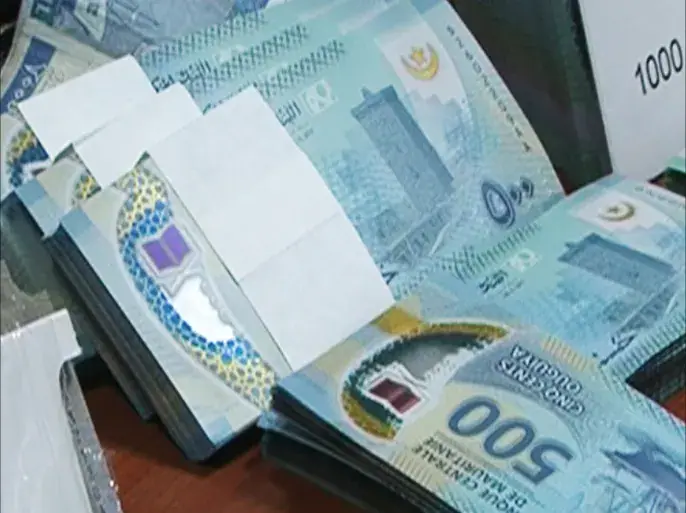
Mauritanian banks have been experiencing a shortage of circulating ouguiya notes for weeks, making it difficult to provide large cash amounts. As a result, banks have been relying on each other to meet their cash needs. A banking source revealed that providing 100 million ouguiya has become a challenging task. The central bank has been rejecting bank requests to withdraw large cash amounts for months.
The cash shortage coincides with the central bank's decision to raise the main interest rate to 7.25% from 6.75% and increase the mandatory reserve requirement for banks to 15% from 8%. The move aims to curb inflation, which reached 9.3% in September. The increased reserve requirement is estimated to freeze an additional 10.19 billion ouguiya, raising the total allocated to this reserve from 11.64 billion ouguiya to 21.83 billion ouguiya.
According to the source, banks are struggling to obtain liquidity from the central bank, leading them to turn to each other for help. This has created a challenging environment for banks to operate efficiently. The central bank's restrictions on cash withdrawals have exacerbated the issue, making it difficult for banks to meet their cash needs.
The central bank's decision to raise interest rates and increase reserve requirements is part of its efforts to contain inflation. The bank's monetary policy council estimated that the increased reserve requirement would freeze a significant amount of funds. The move is expected to have a positive impact on the economy, but it has also created short-term challenges for banks.
In a recent meeting with primary banks, the central bank discussed economic developments, monetary markets, and foreign exchange markets, as well as banking reforms and regulatory compliance requirements. The meeting highlights the central bank's ongoing efforts to monitor the sector and address emerging challenges.
The shortage of cash has significant implications for the Mauritanian economy, particularly for businesses and individuals that rely heavily on cash transactions. The central bank's restrictions on cash withdrawals have created a challenging environment for banks, which are struggling to meet their cash needs.
The situation has also raised concerns about the potential impact on economic growth. With banks facing difficulties in providing cash, businesses and individuals may be forced to seek alternative payment methods, which could have a negative impact on economic activity. The central bank will need to carefully monitor the situation and adjust its policies as needed to mitigate any adverse effects.
Key points
- The central bank's restrictions on cash withdrawals have created a shortage of circulating ouguiya notes, forcing banks to seek help from each other.
- The central bank raised interest rates and increased reserve requirements to curb inflation, which reached 9.3% in September.
- The cash shortage has significant implications for the Mauritanian economy, particularly for businesses and individuals that rely heavily on cash transactions.