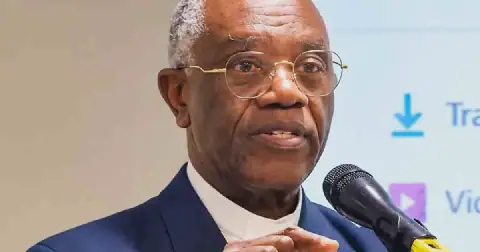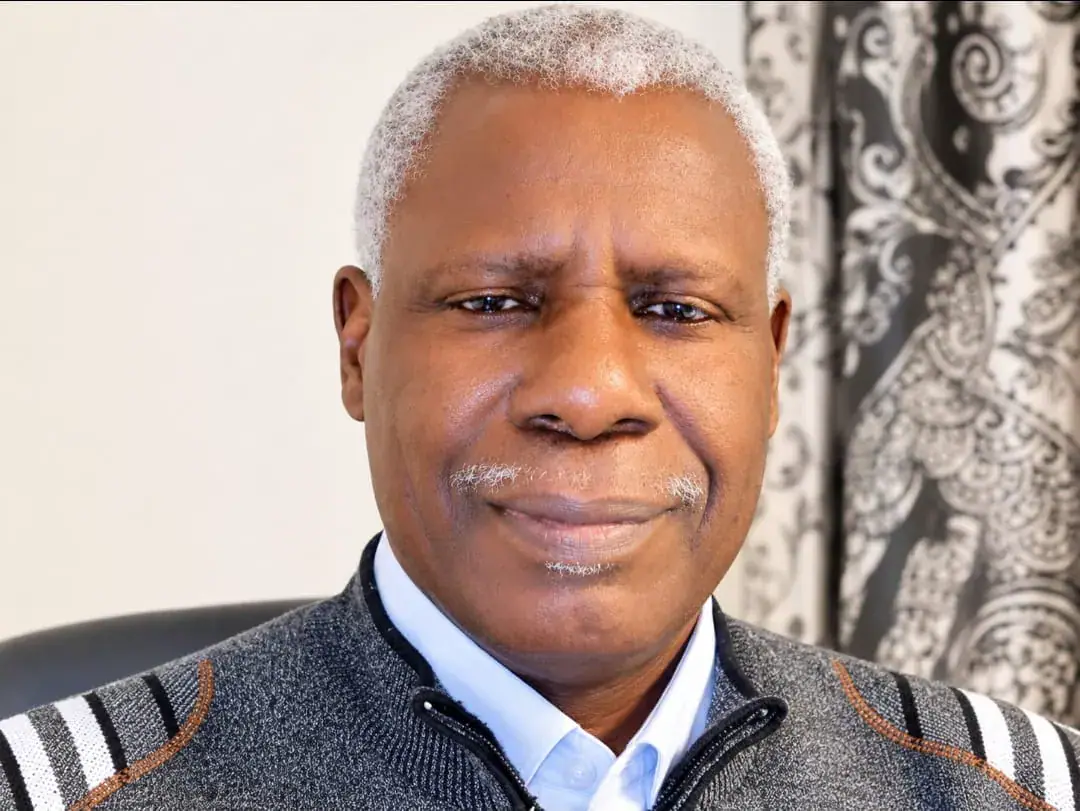
Mohamed Mahfouz Ould Ahmed's article, titled "The Fallacies of Professor Soumare," has sparked a national conversation on the role of language in Mauritanian society. He discusses the importance of the Arabic language and its relationship with other languages spoken in the country, including Wolof, Soninke, and Pulaar. The author argues that Arabic is an essential part of Mauritanian identity and culture. He also touches on the historical context of language use in Mauritania and its implications for national unity.
The debate centers around the idea of language and its connection to national identity. Ould Ahmed argues that promoting Arabic as a national language should not come at the expense of excluding citizens who were educated in French. He advocates for the recognition of all languages spoken in Mauritania, including Wolof, Soninke, and Pulaar, as national languages. This, he believes, would promote inclusivity and equality among all citizens.
Ould Ahmed's article has been met with criticism from some quarters, with accusations of promoting a chauvinistic agenda. However, the author maintains that his intention is to promote national unity and inclusivity. He argues that language should not be used as a tool for exclusion or marginalization. The debate has highlighted the complexities of language and identity in Mauritania, a country with a diverse linguistic and cultural heritage.
The role of language in education has also been a point of contention in the debate. Ould Ahmed argues that citizens who were educated in French should not be excluded from opportunities or marginalized. He advocates for the use of technology, such as translation tools, to facilitate communication and promote understanding among citizens who speak different languages.
The Mauritanian constitution recognizes Arabic as an official language, but also acknowledges the importance of other languages spoken in the country. The debate has raised questions about the role of language in promoting national unity and inclusivity. Ould Ahmed's article has sparked a necessary conversation about the importance of language in shaping Mauritanian identity and culture.
The author has also criticized the use of the term "dialects" to describe languages such as Wolof, Soninke, and Pulaar. He argues that this terminology is inaccurate and perpetuates a hierarchical view of languages. Ould Ahmed maintains that these languages are recognized by the constitution as national languages and should be treated with equal respect.
The debate is ongoing, with many Mauritanians weighing in on the importance of language in shaping national identity. Ould Ahmed's article has sparked a necessary conversation about the role of language in promoting inclusivity and equality. The outcome of the debate remains to be seen, but it is clear that language will continue to play a central role in shaping Mauritanian identity and culture.
Key points
- The debate highlights the complexities of language and identity in Mauritania.
- The author advocates for the recognition of all languages spoken in Mauritania as national languages.
- The debate has sparked a necessary conversation about the role of language in promoting national unity and inclusivity.
Reporting sources
- مهما تستّرت الشوفينية فإنها تنكشف · Al Akhbar