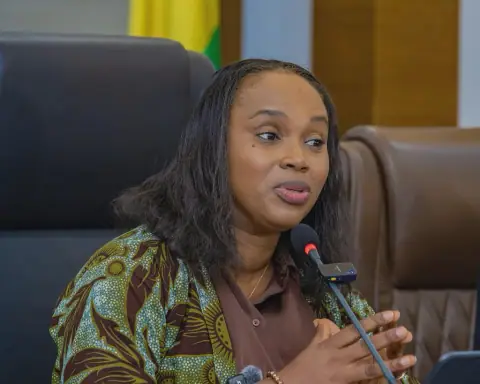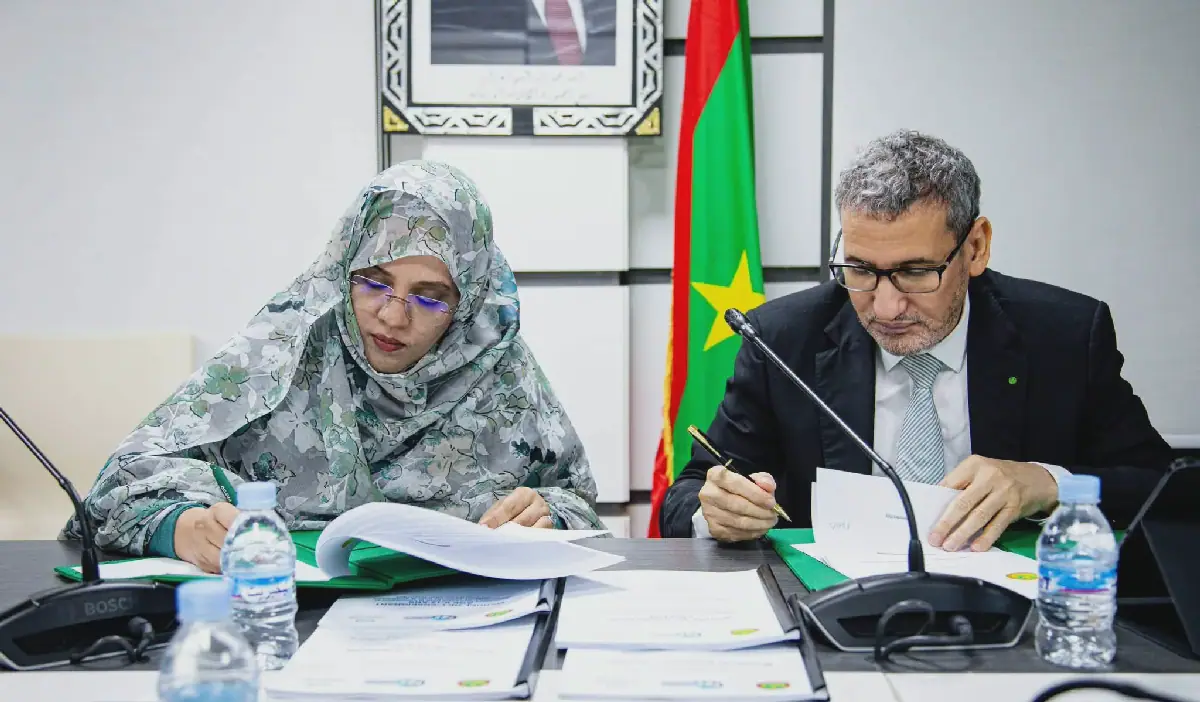
Mauritania's Minister of Education and Educational Reform, Houda Mint Babah, has announced that her department is working with the Central Bank of Mauritania (BCM) to revise the conditions for loans and salary deductions for teachers and education sector personnel. This announcement was made on the sidelines of a partnership agreement signing with BCM Governor Mohamed Lemine Ould Dhehby. The agreement aims to incorporate financial education into national educational programs.
The partnership agreement seeks to integrate financial culture into educational programs and design awareness modules tailored to students' needs based on their age and school level. According to the minister, this initiative aims to train future generations to make rational financial decisions and manage resources optimally. By introducing economic education into school curricula, the goal is to strengthen citizens' resilience to financial crises and challenges.
Minister Houda Mint Babah emphasized that the school's mission must go beyond transmitting theoretical knowledge to prepare citizens who can participate in building the future. She expressed her wish to see this convention quickly translated into operational action plans and high-impact joint programs in schools. The minister's announcement reflects the government's efforts to improve the education sector and promote financial literacy among students.
The revised loan conditions for teachers and education sector personnel are expected to alleviate some of the financial burdens on educators. By working with the BCM, the Education Ministry aims to create a more supportive environment for teachers, allowing them to focus on their primary role of educating students. This move is part of a broader effort to enhance the overall quality of education in Mauritania.
Integrating financial education into school curricula is seen as a crucial step in preparing students for the challenges of the modern economy. By teaching students about financial management and literacy, the government hopes to empower them to make informed decisions about their financial lives. This initiative is also expected to contribute to the country's economic growth by promoting a culture of financial responsibility.
The partnership between the Education Ministry and the BCM is a significant step towards achieving the government's goals in the education sector. By working together, the two institutions can leverage their expertise to develop effective programs that promote financial education and improve the overall quality of education in Mauritania. This collaboration is expected to have a positive impact on the country's education system and economy.
The implementation of this initiative will be closely watched by stakeholders in the education sector and the broader community. As the government works to roll out the new programs, it will be essential to monitor their effectiveness and make adjustments as needed. By prioritizing financial education and teacher support, Mauritania's government is taking a proactive approach to addressing some of the country's most pressing challenges.
Key points
- The Mauritanian government is revising teacher loan conditions and integrating financial education into school curricula to promote financial literacy and support economic growth.