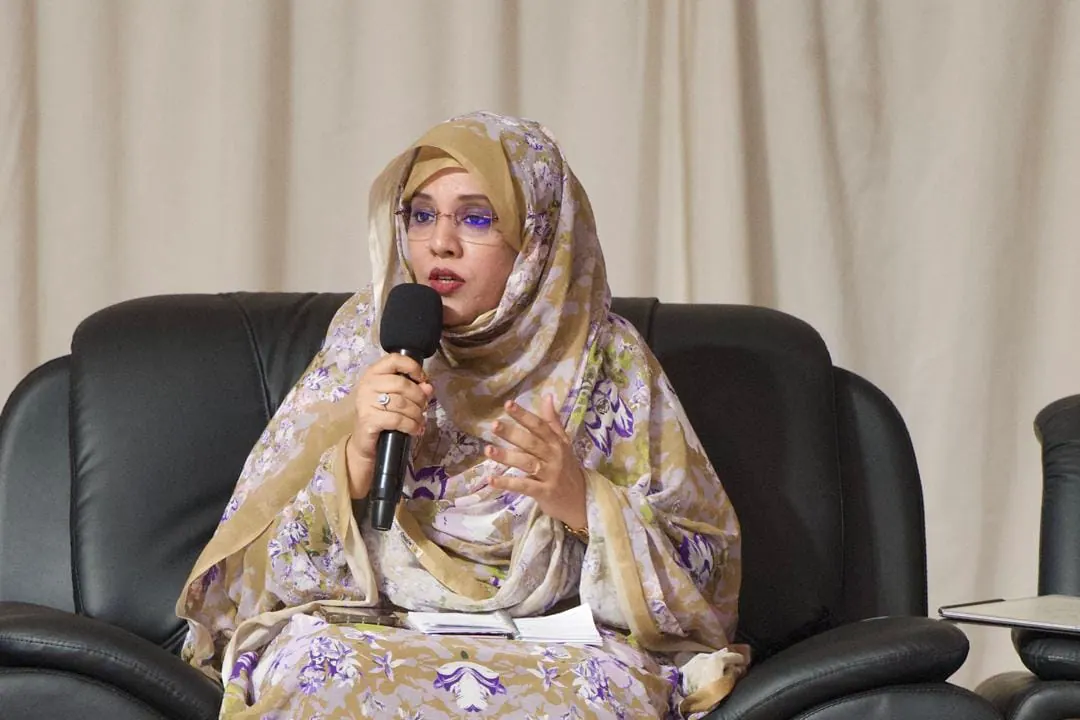
Mauritania's Minister of Education and Educational Reform, Huda Bent Babah, has announced that the government will phase out private education providers starting from the upcoming academic year. This move is part of the government's efforts to improve the quality of education in the country. The minister made this announcement during a meeting with local leaders in the Akjoujt district, held on the night of the previous day.
According to Minister Bent Babah, the Ministry of Education is working to develop continuous training for teachers, linking it to their professional career paths. The government also aims to reform the initial training of teachers by overhauling the Higher Education School and teacher training schools. These efforts are aimed at improving the quality of education and enhancing the skills of teachers.
The minister highlighted that the efforts made during the past phase have enabled the country to overcome the challenge of ensuring access to education. The focus is now shifting to improving the quality of education and enhancing its outcomes. The government has made significant progress in providing school infrastructure, recruiting teachers, and reforming curricula.
Minister Bent Babah noted that the launch of educational reform has enabled the provision of school infrastructure, recruitment of teachers, and reform of curricula. The government has also established a national reference framework for curricula and launched a national school feeding program. These initiatives aim to create a more conducive learning environment for students.
The minister emphasized that the success of educational reform depends on the pivotal role of parents in supporting their children and monitoring their academic progress. She stressed the importance of optimizing the time students spend outside school, which is crucial for enhancing the quality of education and achieving the goals of the republican school.
The government's plans to phase out private education providers are expected to have a significant impact on the education sector in Mauritania. The move is likely to lead to an increased demand for public education services, and the government will need to ensure that it has the necessary resources and infrastructure to meet this demand.
The Ministry of Education will need to work closely with stakeholders, including parents, teachers, and local communities, to ensure a smooth transition and to address any challenges that may arise. The success of this initiative will depend on the government's ability to implement its plans effectively and to address the needs of all stakeholders.
Key points
- The Mauritanian government plans to phase out private education providers starting from the upcoming academic year.
- The government aims to improve the quality of education by developing continuous training for teachers and reforming the initial training of teachers.
- The success of educational reform depends on the pivotal role of parents in supporting their children and monitoring their academic progress.