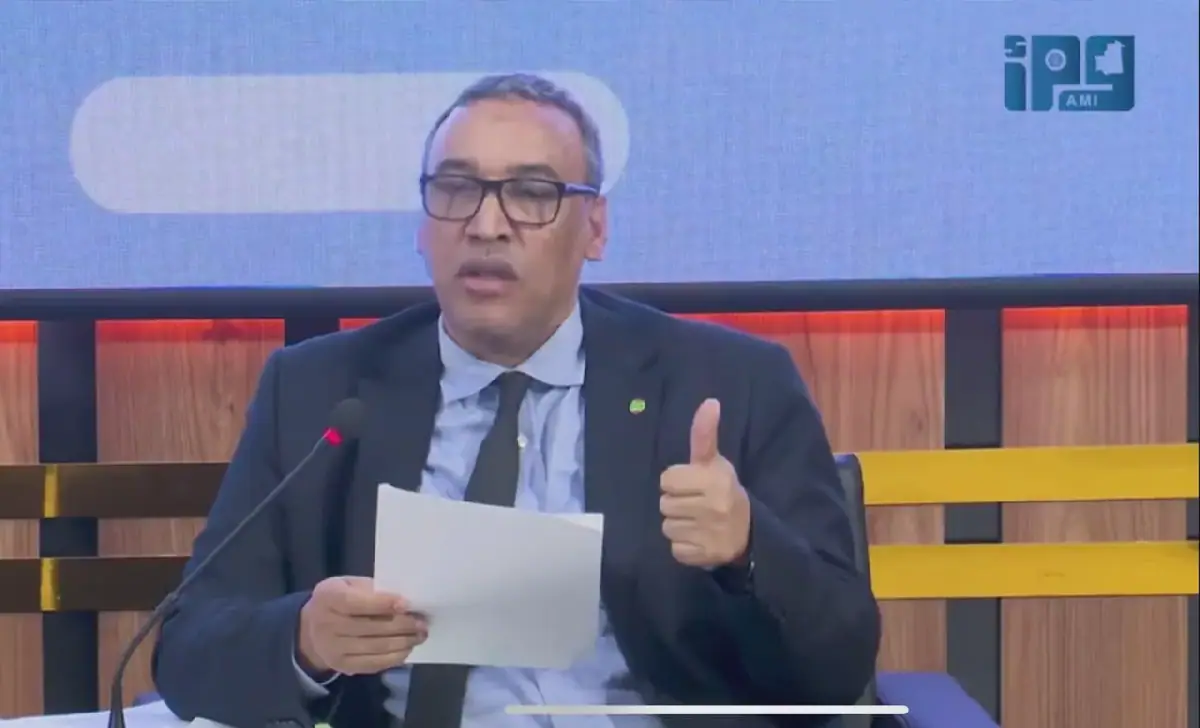
Mauritania's Minister of Higher Education and Scientific Research, Dr. Yaqub Ould Amin, announced that the country's higher education sector has experienced substantial growth. The number of students in higher education has risen to 52,256 in 2026, up from previous years. This growth is a significant milestone for the country's education system. The minister made the announcement during a press conference in Nouakchott.
The number of students benefiting from scholarships has also increased dramatically, from 6,800 in 2019 to 22,700 in 2026. This represents 43% of the total number of students in higher education. The minister attributed this growth to the government's efforts to improve access to education. The scholarship program is an essential part of the government's strategy to support students from disadvantaged backgrounds.
The budget for higher education has also seen a significant increase, rising from 9.9 billion ouguiya in 2019 to over 23 billion ouguiya in 2026. This increase has enabled the government to invest in infrastructure, recruit more staff, and improve the quality of education. The number of professors in higher education has risen from 724 to 921, with an additional 120 professors to be recruited.
The quality of education has also improved, with the number of training programs available to students increasing from less than 50 in 2019 to over 160 currently. The number of doctoral schools has risen from three to nine, and the number of scientific publications has increased from 82 in 2019 to 173 in 2025. These developments demonstrate the government's commitment to improving the quality of education.
The number of higher education institutions has also increased, from nine in 2019 to 13 currently. The government has established new institutions and programs to meet the growing demand for education. The expansion of the University of Nouakchott is a notable example, with a new campus that currently accommodates around 16,400 students.
The minister also discussed the criteria used to allocate scholarships, which include social support, decentralization, academic excellence, and results from national competitions. The government prioritizes students who are registered in the social registry and those who study within the country. The minister emphasized that the government is committed to ensuring that scholarships are allocated fairly and transparently.
The growth of Mauritania's higher education sector is a positive development for the country. The government's investment in education has led to significant improvements in access, quality, and infrastructure. The sector is expected to continue growing, with the government committed to improving education outcomes for all students. The minister's announcement highlights the progress made and the challenges that remain.
Key points
- The number of students in higher education has risen to 52,256 in 2026.
- The budget for higher education has increased from 9.9 billion ouguiya in 2019 to over 23 billion ouguiya in 2026.
- The number of students benefiting from scholarships has increased from 6,800 in 2019 to 22,700 in 2026.