On November 28, 2026, demonstrations broke out in multiple Nouakchott neighborhoods and across the country, following the arrest and questioning of Kodda Sall, a popular TikToker. Protesters demanded his immediate release and justice for 28 Mauritanian soldiers executed in 1990. The protests were part of a larger commemoration of the country's independence and a show of solidarity with Sall and other detained activists.
Among those detained were five rights activists and civil society members, including Oumar Djibril Ba, Khattab Dia, and Bouyaye Ahmed Naji, who were arrested in Nouakchott and taken to the Sebkha 3 police station. In Bababé, about 450 km from the capital, Demba Sall and Fatimata Diallo were also detained by police. These arrests were widely seen as an attempt to suppress the protests and commemorations.
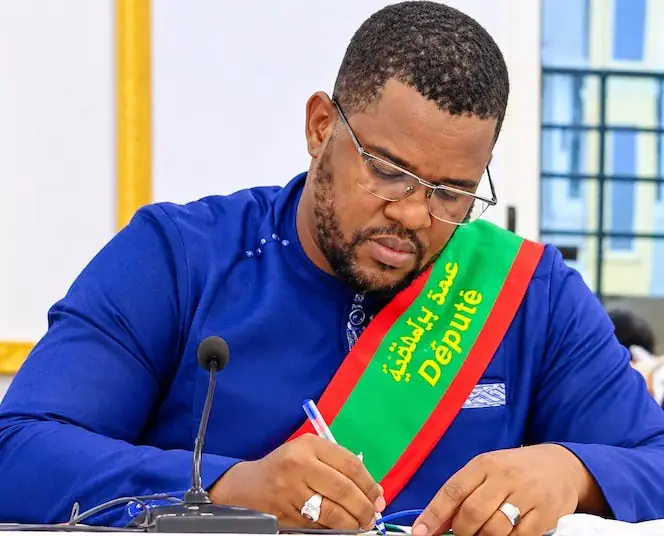
Khali Diallo, a member of the Coalition Espoir Mauritanie and a deputy, stated that these arrests follow a familiar pattern ahead of the November 28 independence commemoration, which often features gatherings to remember the 1990 events. Diallo emphasized that Kodda Sall's detention is a violation of his rights, as he has committed no crime and merely expressed a widely shared opinion about the executed soldiers.
The protests and arrests highlight an ongoing issue in Mauritania, where the commemoration of past injustices continues to spark tensions between citizens and authorities. Deputy Diallo called for a durable resolution to the memorial issue and guaranteed freedom of opinion, urging authorities to address the concerns of the protesters and activists.
In addition to the arrests, Deputy Diallo reported receiving death threats on social media, which he said have not been pursued by the judiciary. Despite this, he praised the commitment of a new generation of activists dedicated to advocating for human rights and national memory, ensuring the continued push for justice and accountability.
The incidents have underscored the challenges faced by activists and citizens in Mauritania, who continue to push for recognition and redress of past human rights abuses. As the country commemorates its independence, the protests and arrests serve as a reminder of the ongoing struggle for justice, freedom of expression, and accountability.
The situation remains tense, with activists and citizens calling for the release of Kodda Sall and the other detained individuals, as well as for a comprehensive resolution to the memorial issues surrounding the 1990 executions. The Mauritanian authorities have yet to respond to these demands, leaving the situation uncertain and potentially volatile in the days ahead.
Key points
- The protests were sparked by the arrest of TikToker Kodda Sall and five rights activists, who were detained for their involvement in commemorating the 28 Mauritanian soldiers executed in 1990.
Reporting sources
- Manifestations à Nouakchott et à l’intérieur du pays pour la libération de Kodda Sall et cinq militants interpellés · Le Quotidien de Nouakchott