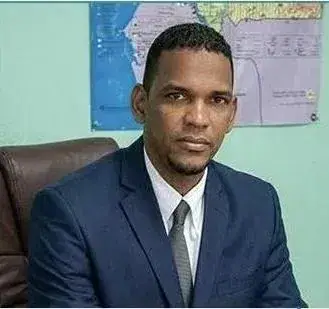
Mauritanian President Mohamed Ould Cheikh El Ghazouani recently participated in the Russia-Africa Summit, a significant event that highlights the growing importance of diplomatic and economic relationships between Africa and Russia. This summit is particularly relevant given the current transformations in Africa, increased international competition for strategic partnerships, and the continent's search for new allies to support local development, effective security, and sustainable stability. The summit presents an opportunity for Mauritania to expand its international relations, enhance its diplomatic standing, and explore new partnerships that serve national development.
President El Ghazouani's participation in the summit goes beyond formal engagement and political meetings, aiming to convert diplomatic rapprochement into tangible agreements that will have a direct impact on the daily lives of Mauritanian citizens. The goal is to transition from mere diplomatic gestures to concrete outcomes that benefit the population. Mauritania is not only seeking new allies but also partners that can help the country invest in its resources, develop its economy, enhance security, and provide employment opportunities for its youth. These objectives are central to the country's engagement with Russia and other international partners.
One of the primary aspirations of Mauritania from this summit is to attract investments in key sectors such as gas, minerals, and energy. By leveraging Russian expertise and investments, Mauritania aims to develop its gas sector, maximize the value added from its iron, gold, and other mineral resources, and transfer technology to build national capacities. The focus is on converting the country's natural resources into specific, implementable projects that yield tangible benefits. Additionally, Mauritania seeks to enhance its food security and support agriculture through cooperation with Russia, a major supplier of grains and fertilizers, which could reduce production costs and boost local production.
The Mauritanian government also hopes to attract investments in transportation, ports, manufacturing, and energy to diversify its economy and create sustainable job opportunities for its youth, who are significantly affected by unemployment. Furthermore, the country aims to benefit from technical cooperation, training, and information exchange with Russia to combat terrorism, organized crime, and smuggling, while maintaining its national decision-making autonomy and balanced relationships with all international partners.
The Russia-Africa Summit offers Mauritania a chance to expand its international maneuverability and diversify its partnerships, serving its interests in Africa, the Sahel region, and the Arab world. This engagement is expected to enhance Mauritania's ability to interact with international powers from a position of balanced partnership, ensuring equality in decision-making, sovereignty in positions, and equal opportunities for mutual benefit. This balanced approach is seen as a way to increase the value of the summit both morally and materially.
During the summit, Mauritania and Russia agreed on several key initiatives, including two agreements in the judicial cooperation field, concerning the extradition of wanted individuals and the transfer of convicts to serve their sentences in their home countries. Additionally, a protocol on media cooperation was signed between Mauritania's national television and Russia's RT channel. These foundational steps demonstrate the potential for concrete outcomes from the summit but are only a part of the broader economic benefits Mauritania hopes to achieve.
Looking forward, Mauritania aims for the Russia-Africa Summit to translate into substantial economic and social gains, such as job opportunities for youth, affordable and plentiful food, diverse and productive investments, advanced technology, and high-efficiency, sustainable security. The country seeks to move beyond diplomatic courtesies and general agreements to a clear program of action with Russia, including specific investment projects in energy, minerals, and agriculture, with defined timelines and financing sources, technology transfer, and national capacity building.
Key points
- 1. Mauritania seeks strategic partnerships with Russia to develop its gas and mineral sectors. 2. The country aims to enhance food security and support agriculture through cooperation with Russia. 3. Mauritania hopes to attract investments in transportation, ports, manufacturing, and energy to create sustainable job opportunities.