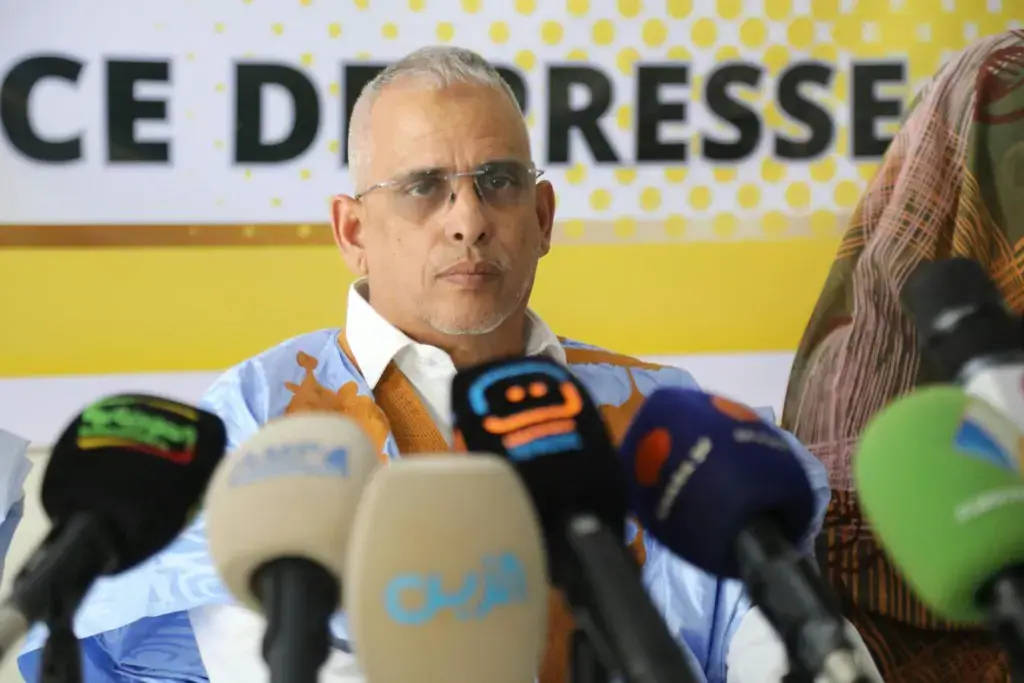
Mauritania is facing an unprecedented economic crisis, with rising prices of staple goods such as meat, dairy products, and fish. According to Mokhtar Ould Cheikh, president of the Union des forces du changement (UPC) party, the government's inability to implement an effective policy to mitigate the cost of living has exacerbated the situation. Ould Cheikh made these remarks during a press conference at the party's headquarters in Nouakchott.
Ould Cheikh criticized the government's failure to transition from a rent-based economy focused on exporting raw materials to a productive economy that can create value-added products, generate employment, and enhance self-sufficiency. He argued that this failure has hindered the country's economic growth and development. The UPC party president called for a more effective economic strategy to address the rising cost of living.
The president of the UPC party also condemned the alleged disclosure of citizens' personal data and rights violations in the case of detained bloggers. Ould Cheikh expressed concern that those accused of blackmail were arrested without requiring the victims to reveal the nature of the alleged crimes or their fears about the potential disclosure of information. He questioned the sources behind the leaked information that the prosecutor's office claimed posed a threat to national security.
The case involves 22 suspects who were referred to judicial investigation, with 15 of them facing possible provisional detention on charges including blackmail, money laundering, and dissemination of false information. The prosecutor's office alleged that these actions threatened state security, national unity, and civil peace. Ould Cheikh's comments highlight the ongoing challenges facing Mauritania in addressing economic and human rights issues.
Ould Cheikh's criticism of the government's handling of the economic crisis and human rights situation reflects growing concerns among Mauritanian citizens. The country's economy has struggled with fluctuations in global commodity prices, affecting the livelihoods of many citizens. The UPC party's stance on these issues may resonate with voters seeking change in the country's leadership.
The Mauritanian government faces mounting pressure to address the country's economic and social challenges. Rising prices of essential goods have strained household budgets, and citizens are increasingly demanding effective solutions. The government's response to these concerns will likely impact its popularity and credibility.
The case of the detained bloggers and alleged blackmailers has sparked debate about freedom of expression and human rights in Mauritania. Ould Cheikh's comments underscore the need for greater transparency and accountability in addressing these issues. The outcome of the judicial investigation and the government's handling of the economic crisis will be closely watched by citizens and international observers.
Key points
- The Mauritanian government is under scrutiny for its handling of the economic crisis and human rights violations.
- The UPC party president has called for a more effective economic strategy to address rising living costs.
- The case of detained bloggers and alleged blackmailers has raised concerns about freedom of expression and human rights in Mauritania.