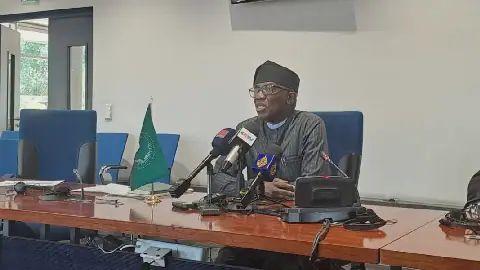
In Mauritania, a group of retired administrative authorities has come together to form a collective organization. Their goal is to break the isolation and silence they have faced after dedicating years of service to the state and republic. These individuals, including former walis, directors of cabinet, and hakems, have played crucial roles in representing public authority and upholding the law.
The retired authorities have expressed concerns about their current situation, citing insufficient pensions, high healthcare costs, and family responsibilities. Many struggle with material difficulties, and some feel a sense of marginalization, as if their social relevance ended with their careers. This collective organization aims to transform individual concerns into a shared cause, promoting responsibility, dignity, and dialogue.
The organization's objectives are centered around concrete priorities, including pension revaluation, improved healthcare coverage, and solidarity mechanisms for vulnerable retirees. They also seek recognition of their contributions to the construction of the Mauritanian state and the preservation of national administrative memory. By uniting, these retired authorities hope to leverage their experience and knowledge to drive positive change.
Cheikh Tijani Balla Cherif, a retired administrator, emphasizes the legitimacy of their ambitions, which include having their voices heard, defending their dignity, and ensuring that their years of service are recognized. The organization plans to engage in dialogue with public authorities, elected officials, and civil society actors to advance their cause.
This initiative has broader implications for Mauritania's public service and social contract. The state is being called upon to prioritize the well-being of its former agents, who have dedicated themselves to the nation's service. By organizing collectively, these retired authorities are making a statement about the importance of solidarity and action.
The Mauritanian government and other stakeholders will be watching this development closely, as it has the potential to impact the lives of many retired public servants. The success of this initiative will depend on the organization's cohesion, transparency, and ability to present a unified, data-driven narrative.
Ultimately, the efforts of Mauritania's retired administrative authorities serve as a reminder of the importance of recognizing and rewarding public service. Their struggle for a more just and humane retirement is a testament to the enduring value of dedication and loyalty to the nation.
Key points
- The organization seeks to address the challenges faced by retired administrative authorities, including insufficient pensions and limited access to healthcare.