Mauritanian Prime Minister Moktahar Ould Ajaib presented his government's program to the National Assembly, highlighting the country's economic achievements. He stated that the average economic growth rate from 2019 to 2026 exceeded 4%. Additionally, the external public debt decreased to below 40% of the Gross Domestic Product this year. These developments were shared as part of his government's program, which will be subject to a confidence vote on Monday.
According to Ould Ajaib, the public investment program currently underway is the largest in the country's history. However, he did not disclose the total cost. The government's support for fuel and electricity subsidies reached over 80 billion ouguiyas in 2026 alone. Furthermore, the wage bill in the budget has more than doubled between 2019 and 2026. These financial commitments demonstrate the government's efforts to stimulate economic growth and improve living standards.
On the social front, Ould Ajaib reported that over 350,000 families benefited from cash transfers. The number of people covered by social security increased from 496,000 in 2019 to over 1.4 million in 2026. Moreover, more than 279,000 individuals joined the National Solidarity Fund for Health since its launch in September 2023. The fund's coverage was expanded to include over 45,000 university students, enhancing social protection for young people.
Ould Ajaib also highlighted other achievements, including the allocation of housing support to over 1,300 teachers and increases in salaries for armed forces and security personnel in 2025 and 2026. Additionally, teachers received a salary increase in 2026. These measures aim to improve the welfare of public servants and enhance their purchasing power.
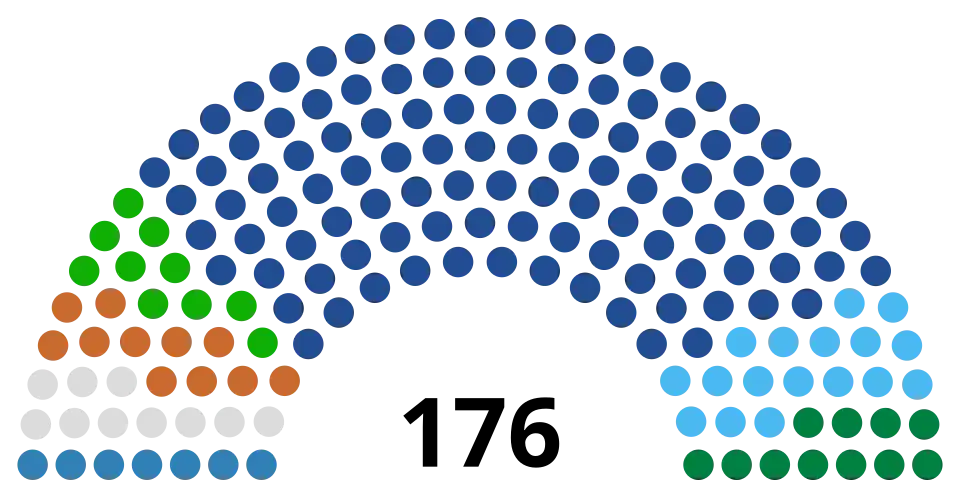
The presentation of these economic and social achievements took place during a session allocated seven hours for debate in the National Assembly. The assembly consists of 176 members, with the majority supporting the government. The confidence vote on the government's program is scheduled for Monday. This vote will determine the government's ability to implement its policies and programs.
In his address, Ould Ajaib also committed to including meat products among the subsidized goods and reviewing the fuel pricing mechanism. These pledges aim to alleviate the cost of living for Mauritanian citizens and ensure price stability. The government's efforts to address economic and social challenges will be closely monitored by parliamentarians and the general public.
The Mauritanian government's achievements and future plans have significant implications for the country's development trajectory. With a growth rate exceeding 4% and reduced external debt, the government is on track to achieve its economic objectives. The implementation of social programs and support for vulnerable populations will be crucial in improving living standards and reducing poverty.
Key points
- The Mauritanian government has achieved a 4% economic growth rate from 2019 to 2026.
- The external public debt decreased to below 40% of the Gross Domestic Product this year.
- Over 350,000 families benefited from cash transfers, and social security coverage increased to over 1.4 million people in 2026.