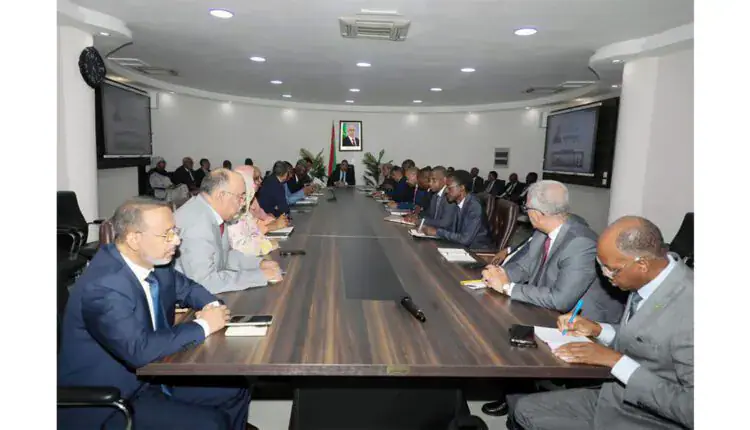
On October 27, 2026, Mauritania's Prime Minister Mokhtar Ould Diay presided over a meeting focused on launching ministerial missions to interior regions. The objective of these missions is to evaluate the progress made in the first phase of an emergency program designed to generalize access to basic services for local development and prepare for the second phase. This initiative aligns with the government's efforts to address the needs of local populations.
During the meeting held at the Prime Minister's office, Ould Diay emphasized the importance of directly listening to the problems and aspirations of citizens. He tasked the ministerial missions with identifying and prioritizing the concerns of populations regarding basic services, taking into account local development needs and regional specificities. This approach aims to ensure that government interventions are tailored to the most pressing needs of each region.
The ministerial missions are also expected to work closely with administrative authorities, local elected officials, notables, youth organizations, and associations. This collaborative approach seeks to ensure that the identification of priority projects and interventions reflects a broad consensus among stakeholders. By engaging a wide range of actors, the government aims to enhance the effectiveness and relevance of its development initiatives.
Ould Diay stressed the need for a comprehensive evaluation of the first phase of the program, building on achievements to inform the preparation of the second phase. This evaluation will help ensure that government interventions are aligned with the most urgent needs and that progress is made towards achieving the program's objectives. The program is part of the implementation of President Mohamed Ould Cheikh El Ghazouani's orientations.
The emergency program aims to expand access to basic services and strengthen local development in interior regions. By launching these ministerial missions, the government demonstrates its commitment to addressing regional disparities and improving living conditions for local populations. The missions will provide valuable insights into the challenges and opportunities in each region, enabling the government to refine its development strategies.
The initiative is also linked to the government's efforts to fulfill commitments made during the last presidential election campaign and respond to the expectations expressed by populations during previous meetings with ministerial missions. By engaging directly with citizens and stakeholders, the government seeks to build trust and ensure that its development initiatives are responsive to local needs.
The launch of these ministerial missions marks a significant step in Mauritania's efforts to enhance local development and improve access to basic services. As the government prepares for the second phase of its emergency program, it is likely to face challenges in balancing competing priorities and resource constraints. However, by engaging with local populations and stakeholders, the government can build a more informed and effective approach to development.
Key points
- The ministerial missions aim to evaluate progress and prepare for the second phase of a program to expand access to basic services in Mauritania's interior regions.