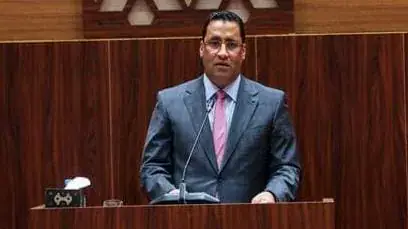
On November 10, 2026, Mauritania's Prime Minister, Moktار Ould Ajay, stressed the government's commitment to fostering a culture of dialogue and mutual respect among various political parties. This effort aims to address development challenges, in line with President Mohamed Ould Cheikh El Ghzouani's directives. The Prime Minister highlighted the importance of cooperation, integration, and constructive competition among political stakeholders to overcome development hurdles. He made these remarks during a session at the National Assembly.
The Prime Minister praised the atmosphere during the discussion of the general policy statement at the National Assembly, where around 110 deputies participated. He emphasized that evaluating the government's performance should be based on objective data, acknowledging existing challenges and shortcomings. The Prime Minister reviewed achievements in security, stability, and diplomacy, commending the efforts of the armed forces and security agencies, as well as the country's diplomatic presence.
In the education sector, the Prime Minister reviewed reforms implemented since 2019, including the construction of approximately 7,600 classrooms and the recruitment of 19,581 teachers, including 3,800 in 2026. He also noted improvements in teachers' working conditions and infrastructure development. Additionally, the number of university students increased from 22,000 to 52,000, with 130 specialties available, and the number of scholarship recipients rose to around 22,700.
The Prime Minister highlighted the expansion of vocational training institutions, with their capacity increasing from 5,000 to 20,000 seats. He emphasized the importance of continuing reforms in the education sector and promoting equal opportunities. In the healthcare sector, the government aims to establish a regional hospital in each state capital, expand national hospitals, and develop medical specialties.
The Prime Minister reviewed progress in constructing and equipping regional hospitals, as well as projects to expand hospitals in Nouakchott and establish a new maternity and child hospital. He noted that 18 out of 28 planned health centers in the capital have become operational, with plans to build 32 health centers and 100 health posts in the interior. The 2026 budget allocated approximately 13.9 billion ouguiya for hospital and health facility equipment.
The Prime Minister discussed reforms in the pharmaceutical sector, strengthening controls on importing and distributing medicines. He reviewed measures taken to address organizational shortcomings and ensure compliance with licenses and standards. The Prime Minister reiterated that continued reforms require identifying shortcomings, listening to citizens' demands, and collective efforts from all stakeholders to serve national interests.
The Prime Minister concluded by emphasizing the importance of sustained cooperation among political parties to drive development and address challenges. He encouraged continued dialogue and collaboration to promote national progress. Key initiatives, such as education and healthcare reforms, aim to improve living standards and foster economic growth in Mauritania.
Key points
- The Mauritanian government has committed to building a regional hospital in each state capital and expanding healthcare services nationwide.
- The education sector has seen significant reforms, including the construction of 7,600 classrooms and recruitment of 19,581 teachers since 2019.
- The Prime Minister emphasized the need for sustained cooperation among political parties to drive development and address challenges in Mauritania.