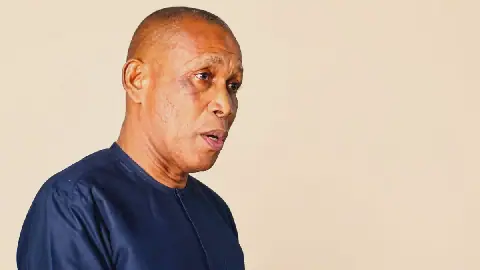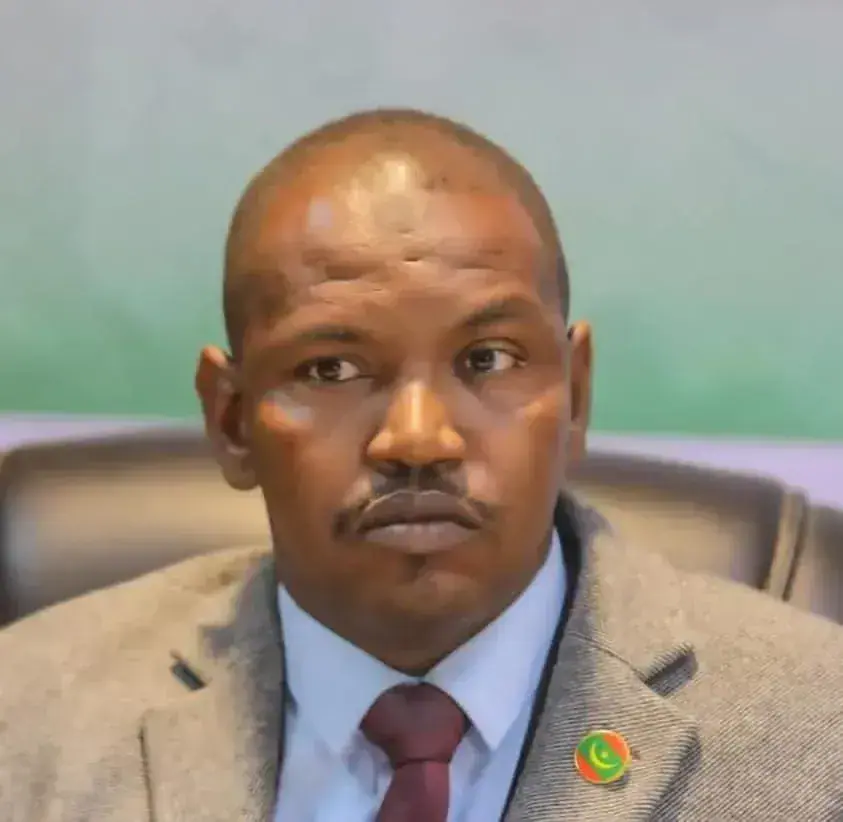
A recent video showing Mauritanian politician Biram Dah Abeid receiving 50 million ouguiyas ($1.4 million) from former minister Sidna Ali Ould Mohamed Khoune has sparked controversy over political finance and transparency in the country. The video, which was widely circulated on social media, has raised questions about the source of the funds and the nature of the transaction. Abeid, who is the leader of the "Ira" movement and a former deputy, has acknowledged the video's authenticity.
The Mauritanian legal framework regulates election campaign financing according to principles that control sources and subject revenues and expenditures to oversight, away from unrecorded cash transactions outside approved channels. When political money deviates from its declared path, questions arise about the value of the amount, where it was delivered, and the essence of the trust between the candidate and the voter. The controversy has highlighted the need for greater transparency and accountability in political financing.
The timing and varying accounts of the incident in the political media differ. Abeid stated that the former minister provided him with 50 million ouguiyas at his home as a gift and assistance to overcome the consequences of the election campaign. He described the video's release as an attempt by the authorities to intimidate supporters ahead of the 2028 and 2029 elections. In contrast, government spokesperson and culture minister Mohamed Ould Babah denied receiving funds from the president or government entities.
The incident has implications that go beyond the technical aspects of campaign financing. The fact that the transaction took place at a former minister's home gives the incident dimensions that go beyond the technical aspects of political financing. The phrase "first installment" also raises questions about what follows and makes general or brief statements insufficient to dispel doubts. The issue has sparked discussions about the intersection of political and administrative influence with money networks.
The controversy has also raised questions about Abeid's campaign finance and his claims of being a reformer. Abeid has previously been involved in controversy over campaign finance, with reports emerging in 2014 of him receiving large cash sums outside official channels. The accumulation of controversy in the public sphere, without judicial evidence, puts the gap between the reform agenda and repeated discussions about unrecorded cash before a tough test.
The incident has highlighted the importance of credibility in politics. In the face of such crises, accuracy and consistency are more valuable than counter-attacks or downplaying questions. Any inconsistency between what appears in the image, what is stated publicly, and what transparency rules determine, increases the political cost for any actor seeking to gain voters' trust.
The controversy has sparked a wider debate about the need for transparency and accountability in Mauritanian politics. The incident has highlighted the importance of clear and transparent financial reporting in politics and the need for leaders to be accountable to the public.
Key points
- The controversy has raised questions about the source of funds and the nature of transactions in Mauritanian politics.
- The incident has highlighted the need for greater transparency and accountability in political financing.
- The controversy has sparked a wider debate about the need for transparency and accountability in Mauritanian politics.