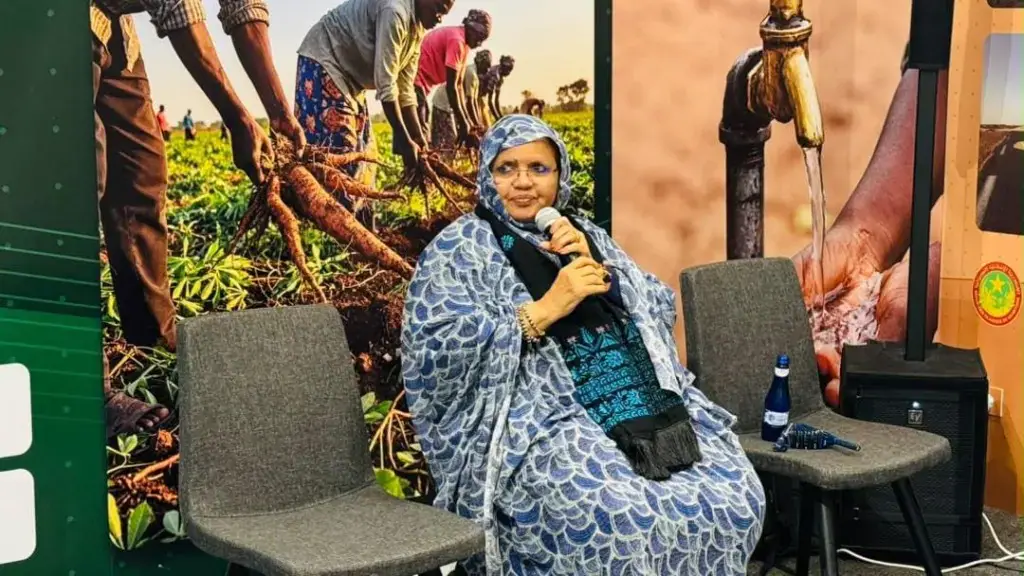
The region of Nouakchott, Mauritania, recently presented its experience in combating climate change at an event held on the sidelines of the 31st Conference of Parties (COP 31) in Antalya, Turkey. The event, titled "The Nouakchott Region in the Face of Climate Change: From Climate Strategy to Territorial Action," aimed to share the region's strategies and actions to address climate-related challenges. These challenges include flooding, coastal erosion, rising temperatures, and increasing pressure on water resources.
The event highlighted the main climate-related challenges facing Nouakchott, including rapid urban expansion. The region's authorities have taken measures to strengthen the territory's resilience and adaptability to these challenges. The meeting provided a platform for discussing the synergies between the regional development plan and the region's climate plan. Participants also explored ways to translate these plans into concrete actions in priority areas.
Fatima mint Abdelmalek, President of the Nouakchott region, presented the region's political vision, emphasizing the crucial role of local authorities in implementing climate actions. This effort complements national policies and international commitments. The technical discussions focused on integrating climate change into development planning and implementing effective adaptation measures.
The Nouakchott region has reaffirmed its commitment to building a more resilient and sustainable territory. The region's authorities stressed the importance of partnerships and cooperation in accelerating climate action at the local level. This approach aims to address the specific climate-related challenges facing Nouakchott and contribute to global efforts to combat climate change.
The event was part of the region's efforts to share its experience and best practices in addressing climate change. By participating in COP 31, the Nouakchott region demonstrated its commitment to engaging with international partners and stakeholders to address this global challenge. The region's participation also provided an opportunity to learn from other countries and regions.
The climate challenges facing Nouakchott are significant, with rising temperatures and changing precipitation patterns affecting the region's water resources and agricultural sector. The region's authorities have implemented measures to mitigate these impacts, including developing climate-resilient infrastructure and promoting sustainable land use practices.
The Nouakchott region's experience in addressing climate change has implications for other regions and countries facing similar challenges. By sharing its strategies and best practices, the region can contribute to global efforts to build resilience and adapt to the impacts of climate change. The region's commitment to partnerships and cooperation will be crucial in achieving this goal.
Key points
- The Nouakchott region presented its experience in addressing climate-related challenges, including flooding, coastal erosion, and rising temperatures.
- The region's authorities have implemented measures to strengthen resilience and adaptability, including developing climate-resilient infrastructure and promoting sustainable land use practices.
- The region's participation in COP 31 demonstrated its commitment to engaging with international partners and stakeholders to address climate change.